
Last updated November 15, 2026
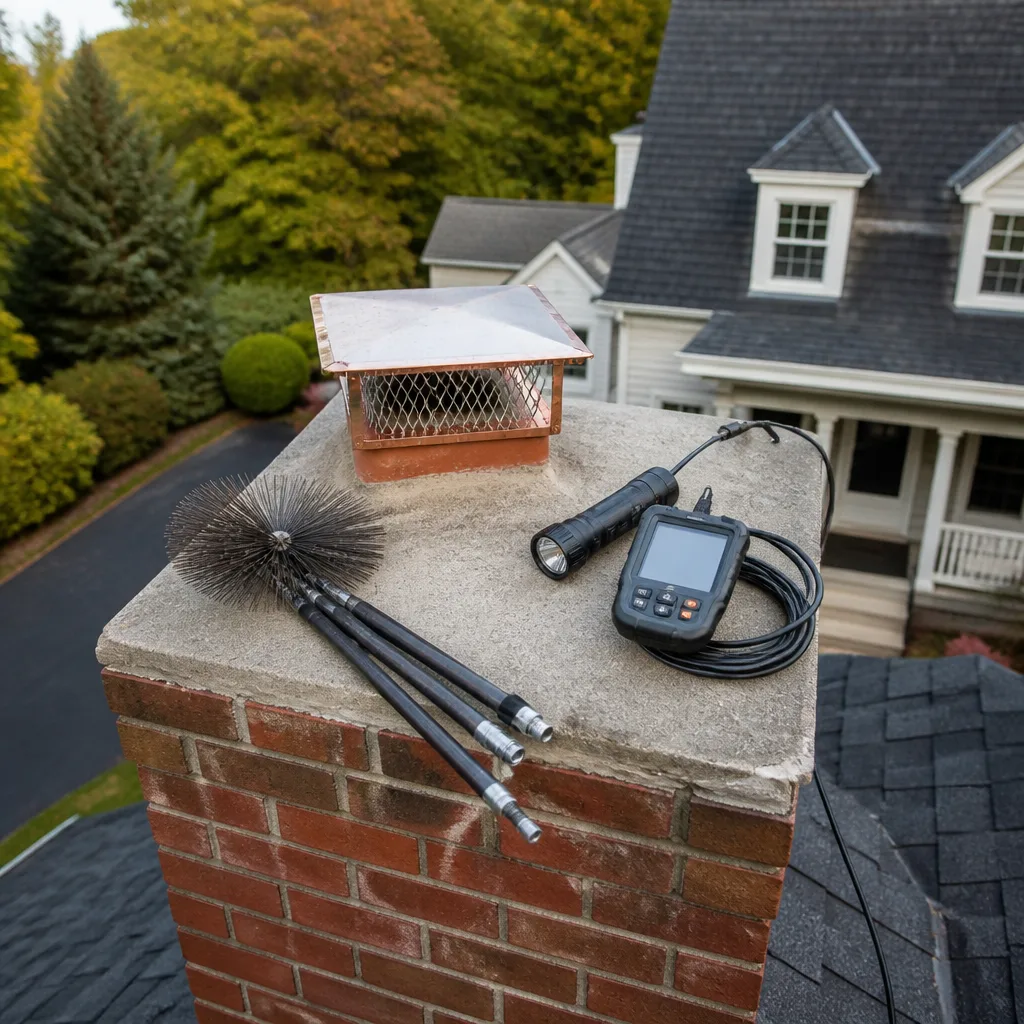 Sweep & inspection
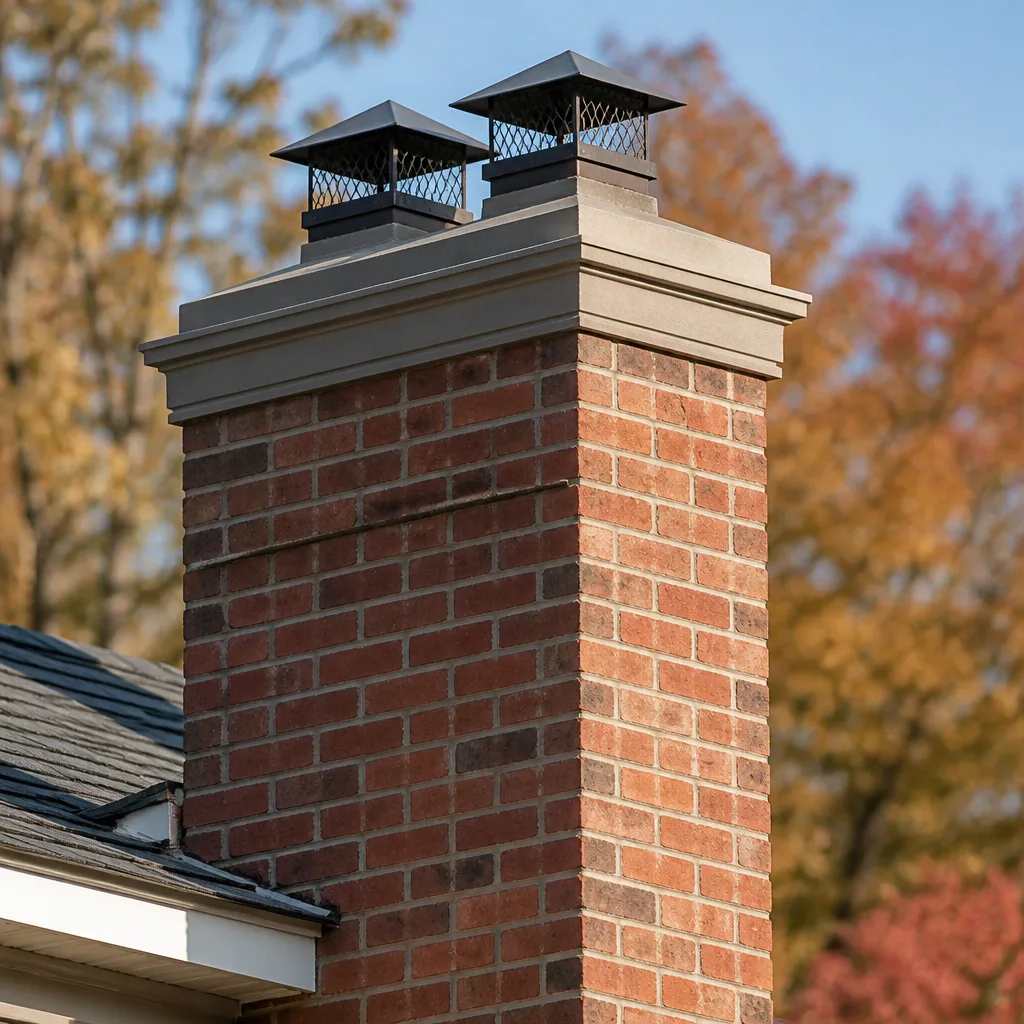 Caps & crowns
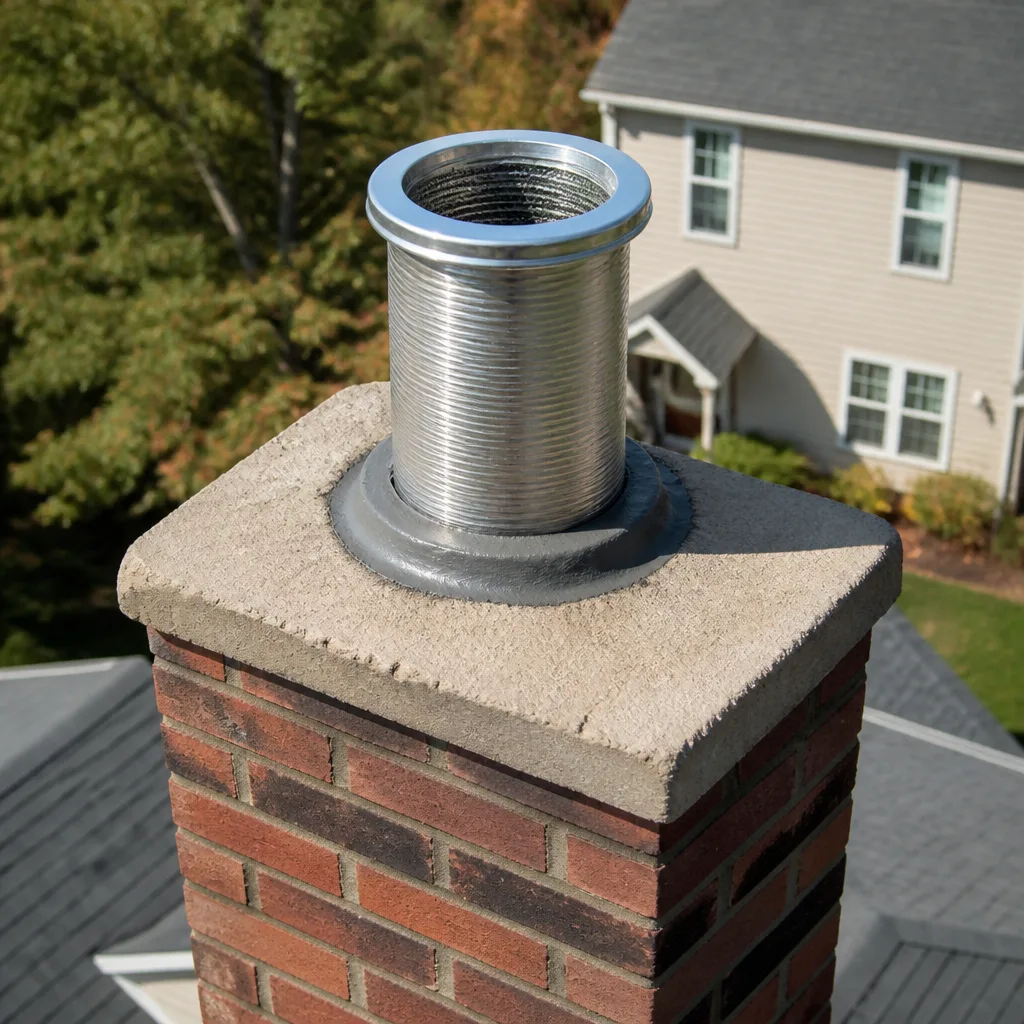 Flue relining
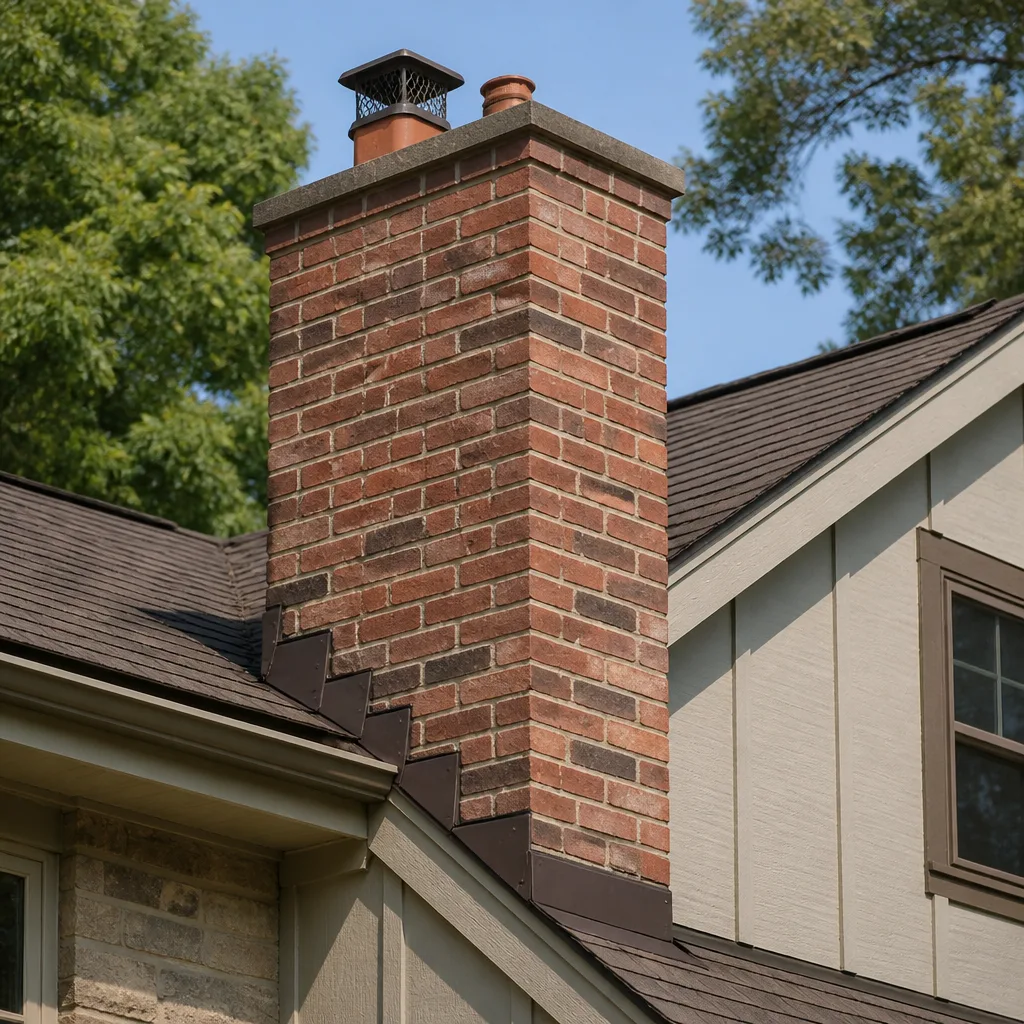 Masonry repair
 Gas fireplace service
Level 1 sweep and inspection to the NFPA 211 annual standard - flue, crown, cap, and flashing checked and photographed
Chimney sweep logs do not sweep chimneys. They loosen some creosote - which then falls where a brush and vacuum still have to collect it.
Chimney Sweep Maintenance Checklist for Greeley Homeowners
A hairline crack in a chimney crown looks like nothing from the driveway. It’s often a thin line you’d mistake for a spiderweb, maybe a slight discoloration along the mortar. But that crack is the entry point for water, and in northern Colorado that water refreezes every time the temperature drops below freezing, which happens plenty in Greeley between November and March. Two or three seasons of that cycle turns a hairline into a spalled crown, and a spalled crown sends water down into the masonry where the real repair bills live.
Most chimney checklists you’ll find online are generic seasonal reminders. This one is built around the failure points we actually see in Greeley homes, sorted by what you can safely check yourself and what needs a trained eye on the roof. Read on and you’ll know exactly what to look at, when to look, and when to stop looking and call someone.
Quick Answer
A chimney maintenance checklist for a Greeley home covers three layers: annual visual checks you can do from the ground (crown, cap, flashing, exterior mortar), pre-season function tests you can do from the firebox (damper, smoke draw, liner visibility), and a professional sweep and inspection at least once a year for any chimney that sees regular use. The two items that matter most in this climate are the condition of your chimney crown and the mortar joints on the exterior stack, because Greeley’s freeze-thaw cycles and hail exposure attack both.
Styles & brands we work with
- Sweep & inspection
- Caps & crowns
- Flue relining
- Masonry repair
- Gas fireplace service
Table of Contents
- What You Can Check and What Needs a Professional
- The Ground-Level Checklist
- The Roofline Checklist: Crown, Cap, and Flashing
- Testing Your Damper Before the First Fall Fire
- Reading Your Flue Liner Through the Firebox
- Building an Annual Photo Record
- Freeze-Thaw and Hail: Greeley’s Two Big Stressors
- Building a Yearly Maintenance Calendar
What You Can Check and What Needs a Professional
The single most useful distinction in this whole guide is the line between tasks a homeowner can do safely and tasks that require training, the right tools, and no fear of heights. Getting this wrong cuts both ways. Skip the professional items and you’re guessing at the safety of a system that vents fire. Try to do the professional items yourself and you’re on a roof or inside a flue without the equipment or experience to be there safely.
Here’s the split, as plainly as we can put it.
Homeowner-Safe Checks
- Visual inspection of the chimney exterior from the ground, including the crown, cap, flashing at the roofline, and exterior mortar joints
- Damper operation test from inside the firebox (open and close, check the seal and the handle feel)
- Checking the firebox for visible cracks, loose bricks, or crumbling mortar
- Looking up the flue through the firebox with a flashlight to spot tile damage
- Annual photography of the crown, firebox, and roofline for comparison
- Confirming the cap is intact and free of debris or bird nests
- Checking the smoke draw with a small test fire at the start of the season
Professional-Only Items
- Climbing onto the roof to inspect, measure, or repair the crown, cap, or flashing
- Running a brush through the flue and removing creosote from the smoke chamber and shelf
- Camera inspection of the flue interior to assess the liner for cracks, gaps, or separations
- Any diagnostic work on the smoke chamber, damper frame, or firebox masonry
- Evaluating whether a liner meets code for the appliance it serves
- Any repair involving masonry, liner systems, or venting components
The reason we draw this line so firmly isn’t liability hedging. It’s that a brush in the wrong hands can crack a tile liner, and a roof inspection without the right safety setup is genuinely dangerous. We work in chimneys only, so we’d rather you know where your safe inspection ends and ours begins. If you’re ready for the professional side of the checklist, a chimney sweep is where most homeowners start.
The Ground-Level Checklist
Most of what matters can be seen without a ladder, and that’s where every Greeley homeowner should start each season. Stand back far enough from the house to see the entire chimney from crown to flashing, and work through these items in order.
- The crown. The crown is the concrete or masonry slab at the very top of the chimney, sloped to shed water away from the flue. Look for cracks, spalling (chunks flaking off), or a crown that’s pulling away from the flue tiles. A crown should slope noticeably. If the top looks flat or has a visible crack line, that’s a priority item.
- The cap. The cap sits above the flue and keeps rain, birds, and debris out. It should be intact, securely attached, and properly sized. A damaged or missing cap is one of the most common reasons water gets into a flue.
- The exterior mortar joints. Look for joints that are receding, crumbling, or showing a “washed out” appearance. In Greeley, the freeze-thaw cycle works on those joints every winter, and raked or eroded mortar is the first visible sign of it.
- The flashing. At the point where the chimney meets the roof, there’s a metal flashing system that keeps water out. Look for rusted, curled, or missing sections, or visible gaps between the flashing and the chimney.
- Spalling brick or stucco. Look for brick faces that are flaking, pitted, or peeling off in sheets. Spalling usually means moisture is inside the masonry.
- Staining. White or dark vertical streaks on the exterior likely mean water is moving through the masonry. White efflorescence is a salt deposit left behind as moisture evaporates.
- The firebox. Check for cracked firebrick, loose mortar joints, or a hearth that looks worn. Cracks in the firebox can let heat reach the structure behind it.
Take a few photos of each item as you go. We’ll come back to why later. None of these checks require you to climb anywhere, and they’ll tell you more about your chimney’s condition than a seasonal reminder ever will.
The Roofline Checklist: Crown, Cap, and Flashing
The roofline is where the highest-value information lives, and it’s exactly where a homeowner should not be doing a hands-on inspection. A pitched roof is a fall hazard, and the parts of a chimney that fail first are all up there. That said, you can and should look at all three from the ground with binoculars.
The Crown
The crown is the chimney’s roof, and it’s the single most important piece of masonry on the entire stack. When it’s intact and properly sloped, water sheds off it and away from the flue. When it cracks, water seeps down into the masonry on every storm, and in Greeley that water gets refrozen before it can drain. A crown crack that looks small in the fall can become a spalled, separated crown by spring. We see crown damage far more often than any other masonry failure, and it’s almost always the entry point for the more expensive repairs.
What you’re looking for from the ground: a visible crack line, a crown that appears to be lifting off the flue tile, or a crown with no visible slope. Any of those three means it’s time for a professional look.
The Cap
The cap should sit above the flue opening with clearance between it and the top of the tile. It should be solid and attached. Bird nests, fallen shingles, and hail damage all take a toll on caps over time. In hail country, a cap with a dented or cracked top means water and debris can get straight into the flue.
The Flashing
Flashing is the metal seal where the chimney passes through the roof. It’s exposed to every bit of weather the roof takes, and it’s a common source of leaks that get misdiagnosed as crown problems. Rusted, lifted, or missing flashing should be pointed out to a professional on the roof, not repaired from below.
We fix crowns, caps, and flashing as part of a chimney repair visit, so the same specialist who diagnoses the problem fixes it. If your ground-level check flagged any of the above, that’s the call to make.
Testing Your Damper Before the First Fall Fire
The damper is the metal plate inside the chimney that opens to let smoke out and closes to keep heat in your home (or warm air out) when the fireplace isn’t in use. A damper that fails open is a slow energy leak every hour of the winter. A damper that fails closed is a smoke-filled living room the first time you light a fire.
Test it in September, not in November when the first cold night arrives and you’re already hoping everything works. Here’s what you’re checking for.
How Correct Damper Operation Feels
- Movement should be smooth and deliberate. The handle (or the pull chain, on a top-mount damper) should move with steady resistance and without grinding or catching.
- It should open fully. The plate should travel to its full open position and stay there without needing to be held.
- It should close flush. Closed, the plate should seat evenly against the frame with no visible gap along the edges.
- You should not hear scraping. A metallic scrape or a pop can mean rust, warped metal, or debris blocking the path.
- You should feel the seat. At the closed position, the plate should hit a clear stop. It shouldn’t feel loose or wobbly in the frame.
A top-mount damper is operated by a cable and pull chain from inside the firebox. Open it fully, then close it fully, and listen for the plate seating at the top of the flue. If the chain feels slack, sticks, or doesn’t seem to move the plate, the cable may be jammed or the plate may be stuck. That’s a job for a professional, not something to force from below.
What to Do If the Damper Fails
Don’t light a fire until it’s checked. A stuck-open damper can be tolerable for one season if you’re careful, but a stuck-closed damper needs repair before you burn. A damper that’s failed in an unknown position, or one that moves but doesn’t seal, is worth diagnosing. And if you’re seeing rust or damaged metal on the damper frame, that’s worth noting for your professional, since it can point to moisture already inside the flue.
Reading Your Flue Liner Through the Firebox
Your flue liner is the barrier between the hot gases of a fire and the structure of your house. It needs to be continuous and sound from the top of the chimney down to the smoke chamber. Homeowners can’t inspect the whole liner from the firebox, but they can see the bottom section, and the bottom section tells you a lot.
Shine a strong flashlight straight up the flue from just inside the firebox. You’ll be looking at the interior walls of the flue tile or the metal liner. Here’s what to look for.
Tile Spalling: An Immediate Service Trigger
Look for flaking, pitting, or superficial breakage on the inside face of the flue tile. That’s spalling, and it’s the beginning of tile failure. Thin flakes flaking off the interior are a clear sign the tile has been exposed to moisture and heat cycling and has started to break down. A sheared or missing chunk of tile is worse, and it means the liner has already failed in that section.
Any visible spalling, cracked tile, missing pieces, or white/black buildup on the interior means the liner needs a professional camera inspection. Why the urgency: a liner with breaks or gaps allows heat and combustion gases to reach framing or masonry, which is precisely what the liner exists to prevent. On a metal liner, look for visible seams, dents, or rust-through. Any of these is a stop-burning condition until a pro has looked at it.
What the Camera Inspection Adds
A camera inspection runs a lens down the full length of the flue and records what it sees. That’s how a professional confirms whether the liner is continuous, where the cracks are, and whether the damage calls for a patch-level repair or a full reline. We stock HeatShield for restorative liner repair, which can resolve certain liner-level problems without a full replacement, and DuraFlex liner systems for flexible relining when a full replacement is needed. The right call depends on the camera evidence, not on a guess.
If the bottom of your flue looks suspect from the firebox, a camera inspection is the next step, and it’s part of every Chimney Sweep Greeley service visit.
Building an Annual Photo Record
This is the single habit that saves the most money over time, and almost no homeowner does it. Photograph your chimney’s key failure points every year, in the same spots, from the same angles. Next year you’ll have a baseline. The year after that, you’ll have a pattern. And when something does start to fail, you’ll know when it started, which is the difference between a small repair and a major one.
Here’s the routine.
- The crown, from the ground or a safe second-story window. Zoom in on the top of the stack. Get a shot with the full crown visible.
- The cap. Same view if possible, or a second angle from the side.
- The roofline flashing. A zoom shot of where the chimney meets the roof.
- The exterior mortar, at the top, middle, and bottom of the stack. Three shots, spaced evenly.
- The firebox interior, front and center. Turn on the room light, hold the camera steady, and get a clean shot of the back wall and both side walls.
- The damper, open and closed. A shot of the handle position in each.
- The flue interior, looking up. A flashlight up the flue, camera pointed at the same spot each year.
Keep the photos in a dated folder. When you call a professional, you’ll be able to say “here’s the crown last year and here’s the crown this year,” and you’ll both be looking at the same evidence. In our experience, that conversation is far more productive than “I think there might be a crack somewhere.” It also makes a future diagnosis faster, because the professional can see whether a crack is new or was already there.
Freeze-Thaw and Hail: Greeley’s Two Big Stressors
Greeley sits where the plains meet the foothills, and that geography delivers a specific combination of weather that most chimney checklists ignore. Two stressors dominate chimney wear here.
Freeze-Thaw Cycles
Greeley’s winters swing between warm afternoons and hard overnight freezes. That cycle is rough on masonry. Water gets into mortar joints and small cracks during a warm spell, then freezes overnight, expands, and pushes the masonry apart from the inside. Each cycle widens the joints a little more. Look for mortar that appears to have receded or washed out, especially on the upper third of the stack where the masonry is most exposed. Raking and repointing those joints before another winter is far cheaper than letting a water path develop into the crown and flue.
The same cycle acts on the crown. A hairline crack on a warm fall day becomes a wider crack by spring, and each season adds a bit. This is why we check the crown every year rather than every few years.
Hail Events
Weld County sees hail, and the chimney takes the hit that the roof and gutters take. Hail can crack a concrete crown, dent or puncture a metal cap, and damage the flashing where it sits against the chimney. After a significant hail event, it’s worth a ground-level look at the crown, cap, and flashing. If the roof or gutters are being inspected for hail damage anyway, the chimney deserves the same look. Most of the hail damage we see is to the cap and crown, and it’s easy to miss from the yard unless you know to look for it.
Neither of these problems announces itself. They build quietly. That’s why the annual checklist matters more here than it does in a mild climate.
Building a Yearly Maintenance Calendar
The best way to keep your chimney safe is to give it a rhythm. Here’s a maintenance calendar built for a Greeley year, organized by when each check actually works best.
Early Spring
- Ground-level visual inspection after the last fire of the season, while the chimney is still in your mind
- Post-hail-event check of the crown, cap, and flashing if one occurred over the winter
- Photograph the firebox and crown for this year’s record
Late Spring or Summer
- The professional sweep and inspection. Book it now, before the fall rush, and get the full camera inspection done when it’s warm and scheduling is easier
- Any liner or masonry repairs identified during the inspection
Early Fall (Before the First Fire)
- Damper operation test from the firebox
- Smoke-draw test with a small fire on a calm evening
- Ground-level visual inspection to confirm nothing changed over the summer
- Confirm the cap is clear of bird nests and debris
Winter
- While the chimney is in use, watch for unusual smells, smoke spillage, or a creosote smell from the firebox
- After any significant storm, spot-check the roofline with binoculars
Not every home needs a sweep every year. If you burn a cord of wood or more, use your fireplace weekly through the winter, or run a gas insert or solid-fuel appliance as a primary heat source, an annual sweep is the norm. If you burn a fire a few times a season, you may be on a less frequent schedule, and a professional inspection will tell you which applies to you.
If you’re in Greeley and haven’t booked an inspection for the year, that’s the next step. We work in chimneys only, which means every visit is centered on what your flue actually needs.
Common Mistakes to Avoid
- Skipping the crown check because the roof isn’t leaking. A crown can be failing for seasons before water finds its way to the ceiling, and by then it’s a much bigger repair. Check the crown every year regardless of leaks.
- Waiting for a problem to show up before scheduling. Creosote builds quietly, and a liner can degrade long before you notice smoke or heat where it shouldn’t be. An annual inspection is how you catch problems before they become service calls.
- Burning unseasoned wood. Green wood creates more creosote, which coats the flue and eventually reduces the draw. Greeley wood should be seasoned for at least six months before burning.
- Climbing onto the roof to check it yourself. The crown and cap are often the first things to go, and a pitched roof with winter’s leftover moss or frost is no place for a homeowner. Ground-level binoculars give you 80% of the information at 0% of the risk.
- Assuming the cap is fine because it looks fine from the driveway. Dented or punctured caps from hail look normal from one angle. Get a second view or have it checked on the roof.
- Leaving a damaged liner in service. Any visible tile spalling, cracked tile, or gapped section is a stop-burning condition until it’s evaluated. The liner exists precisely to keep heat and gases inside the flue.
- Not photographing anything. Without a baseline from previous years, a crack looks either brand new or long-standing, with no way to tell the difference. Ten minutes of photos a year resolves that.
See the difference
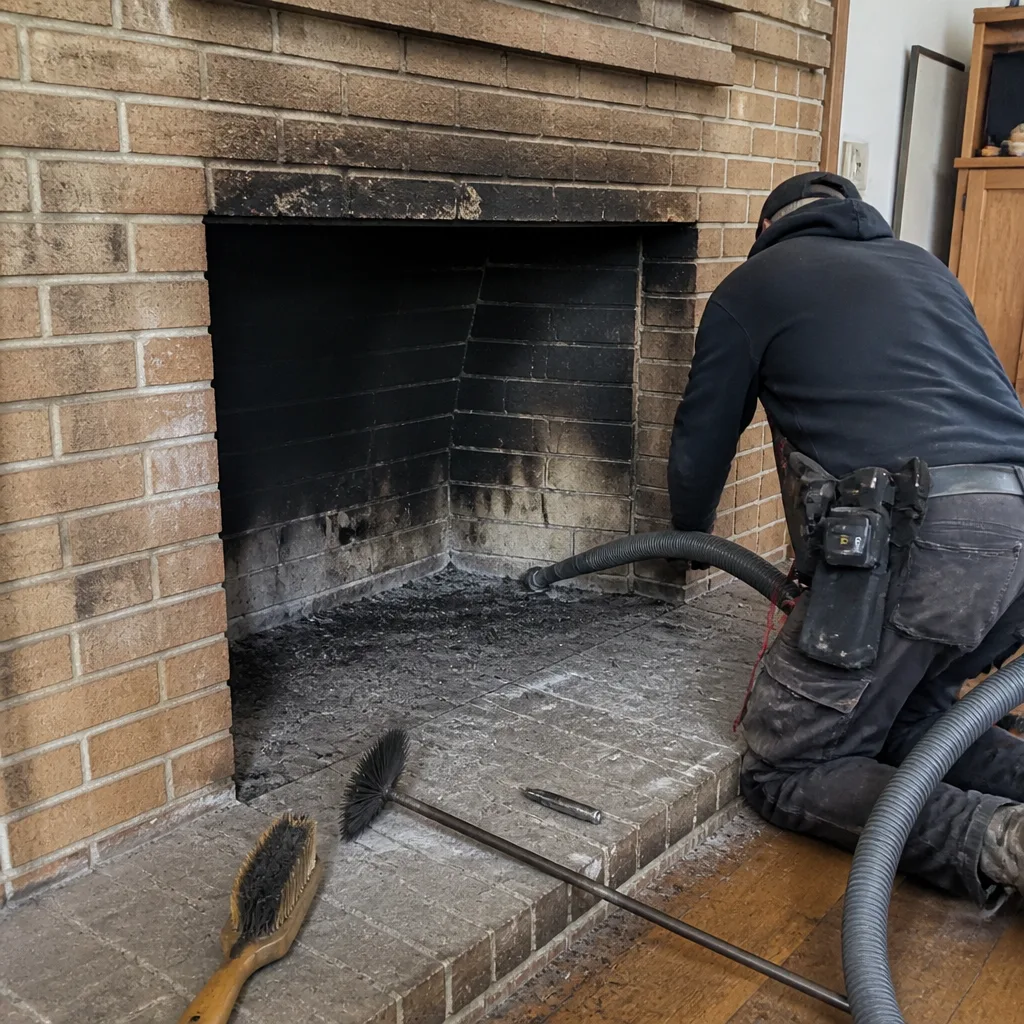 Before
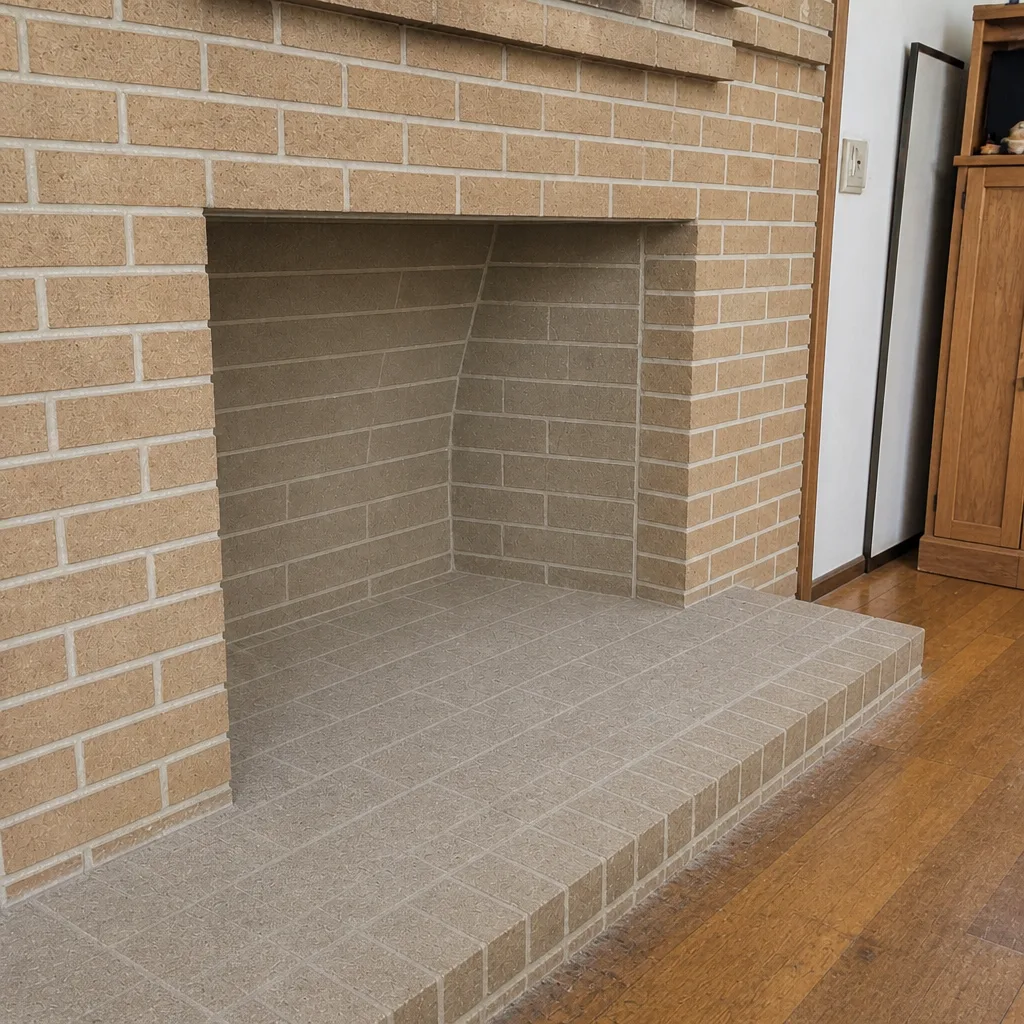 After
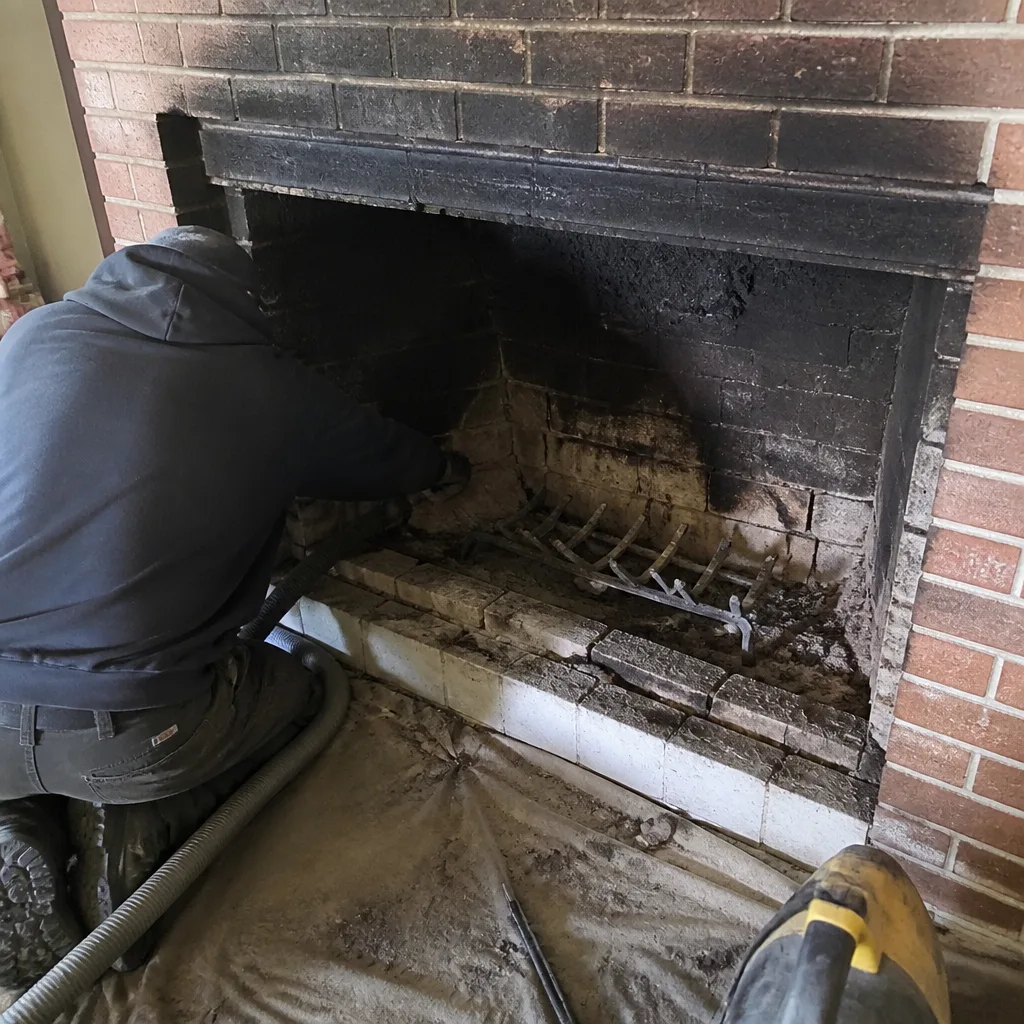 Before
 After
 Before
 After
When to Call a Professional
Some checks you can do yourself. These are the ones that mean you should stop and call.
- You see a visible crack or spalling on the crown
- The cap is damaged, missing, or you suspect a bird nest
- The flashing looks lifted, rusted, or gapped
- Any visible tile spalling, cracked tile, or gaps in the liner from inside the firebox
- A stuck or damaged damper
- Smoke spillage into the room when the damper is fully open
- A strong creosote smell, unusual soot smell, or a fire that isn’t drawing
- You’ve just had a significant hail event across Weld County
A camera inspection is the fastest way to know whether a problem is small or big, and it’s part of every inspection we run. Chimney Sweep Greeley offers free estimates in Greeley. Call (855) 632-3564. We answer 24/7. Fast dispatch from 7am to 7pm, Sunday through Friday.
Frequently Asked Questions
Most Greeley homes that burn regularly should have their chimney swept once a year, and homes that burn heavily or burn green wood may need it more often. The deciding factor is creosote buildup, which a professional can measure during the inspection. If you use your fireplace a few times a season, an annual inspection will tell you whether a sweep is needed that year. Call (855) 632-3564 for an exact quote, and estimates are free.
The most common problem we find is a cracked or spalled chimney crown, usually followed by mortar joint erosion on the exterior stack. Both trace back to Greeley’s freeze-thaw cycles and both are visible from the ground if you know what to look for. Catching either one early keeps the repair small. Call (855) 632-3564 for an estimate if you see either on your chimney.
You can safely check the crown, cap, flashing, exterior mortar, firebox, and damper from the ground and from inside the firebox. You should not climb onto the roof or run a brush through the flue without training. The camera inspection of the full liner and the actual sweep are professional-only jobs. Call (855) 632-3564 to book an inspection.
Do a ground-level check of the crown, cap, and flashing with binoculars after any significant hail event, since hail damage to the crown or cap is often only visible up close. If you see a cracked crown, a dented cap, or damaged flashing, book an inspection. Hail damage doesn’t usually announce itself until the water gets in. Call (855) 632-3564 and we’ll take a look.
Visible tile spalling, cracked tile, or gaps in the liner are the signs that mean the liner needs a professional camera inspection. Whether it needs a patch-level repair with something like HeatShield or a full reline with DuraFlex depends on what the camera shows. The right call comes from the evidence. Call (855) 632-3564 for an inspection and a straight answer.
Don’t burn in a fireplace with visible cracks in the firebox masonry until a professional has evaluated it. Cracks can let heat reach the structure behind the firebox, and the firebox isn’t meant to be a wear item. A cracked firebox is one of the stop-burning conditions we look for on the inspection. Call (855) 632-3564 to get it evaluated.
The Bottom Line
The most expensive chimney repairs in Greeley start small: a crown crack that lets water in, mortar joints that erode quietly through the freeze-thaw cycle, hail damage to a cap that goes unnoticed until spring. The checklist above is designed to catch all three before they compound. Do the ground-level and firebox checks every year. Photograph everything. Test your damper before the first fall fire. And book the professional sweep and camera inspection once a year so a trained eye can confirm what you can’t see. The Greeley climate is hard on chimneys, but none of these failures are surprises if you’re looking in the right places at the right times. If any item on this list has you concerned, call (855) 632-3564 for a free estimate.
Written by the team at Chimney Sweep Greeley.