
Last updated November 15, 2026
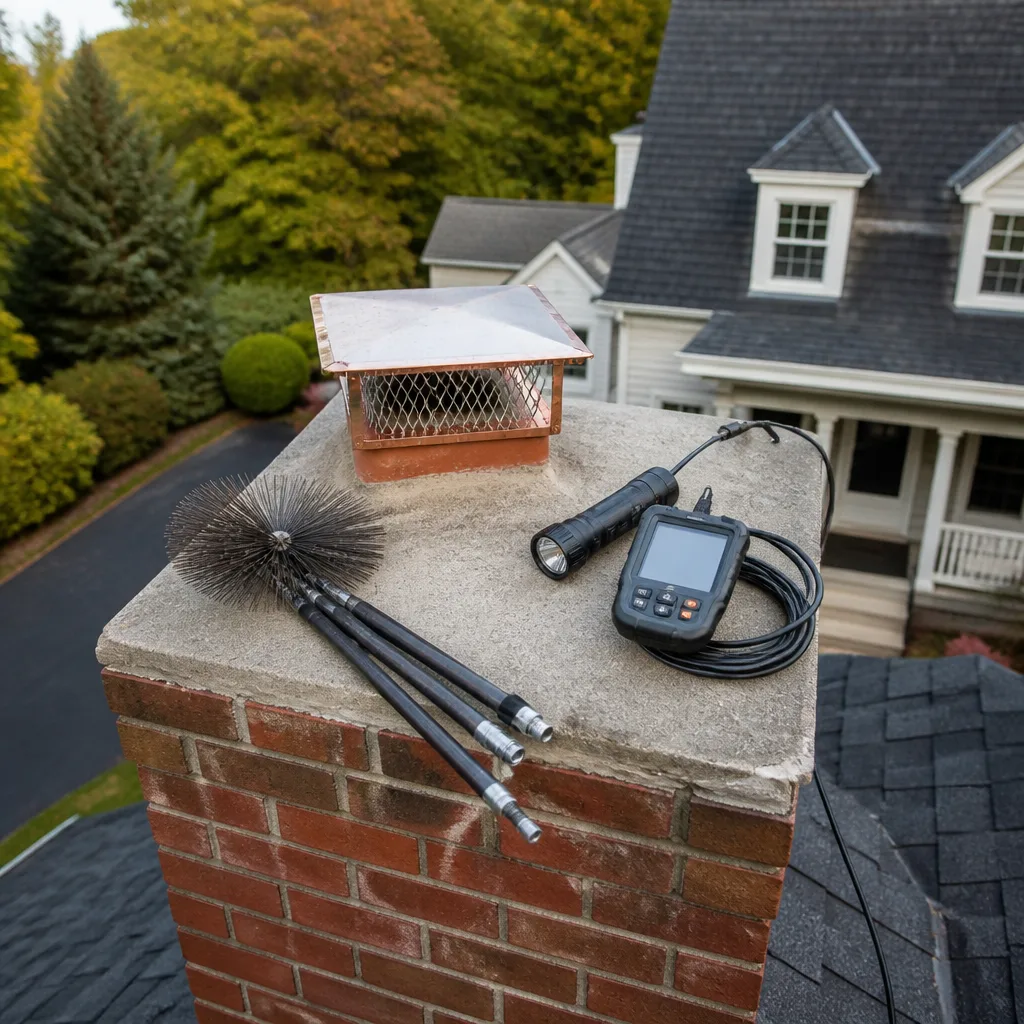 Sweep & inspection
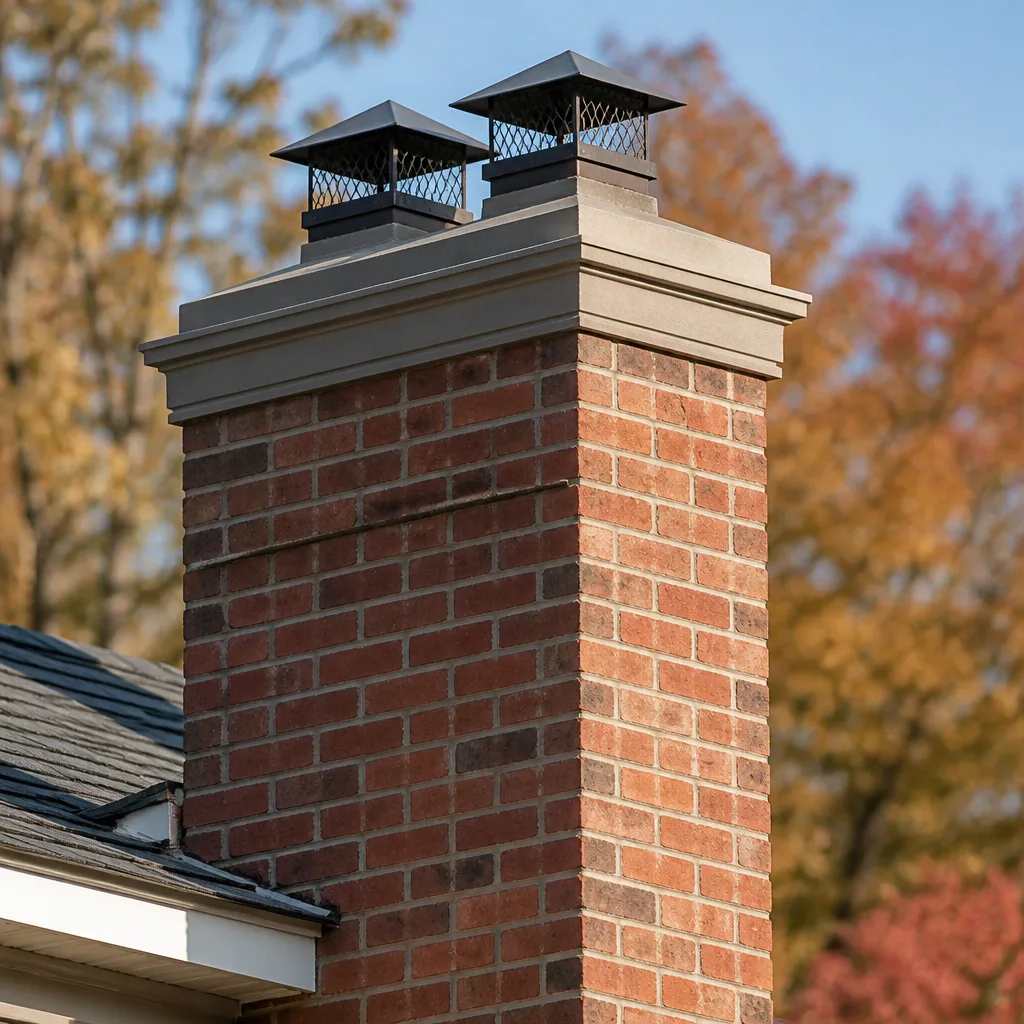 Caps & crowns
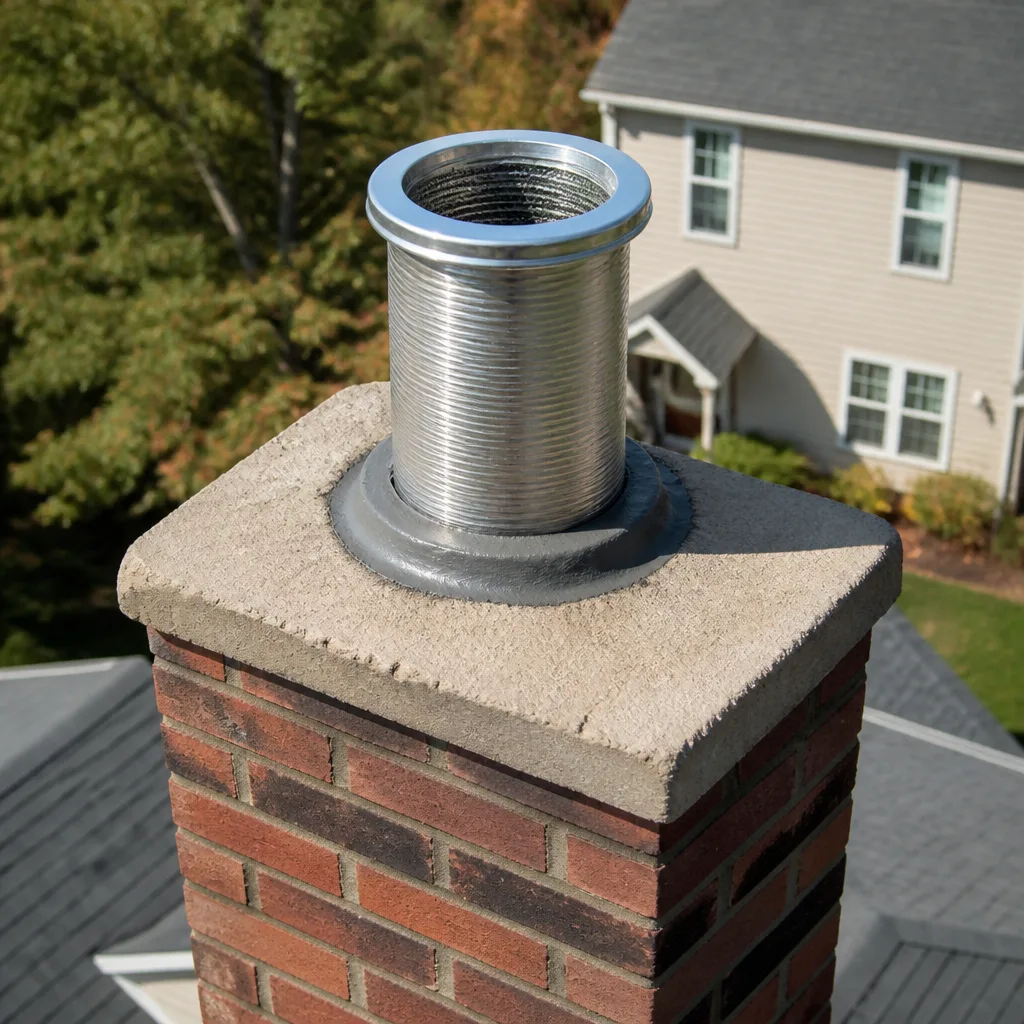 Flue relining
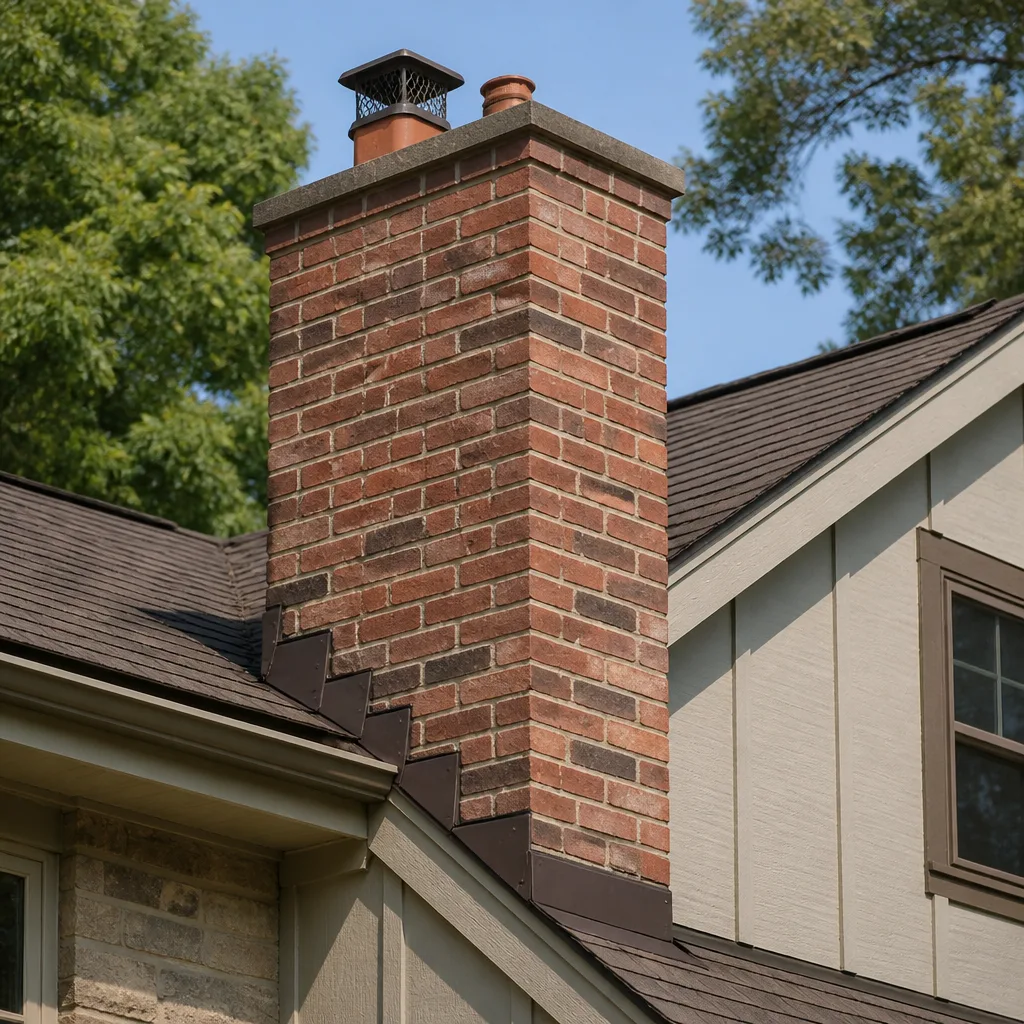 Masonry repair
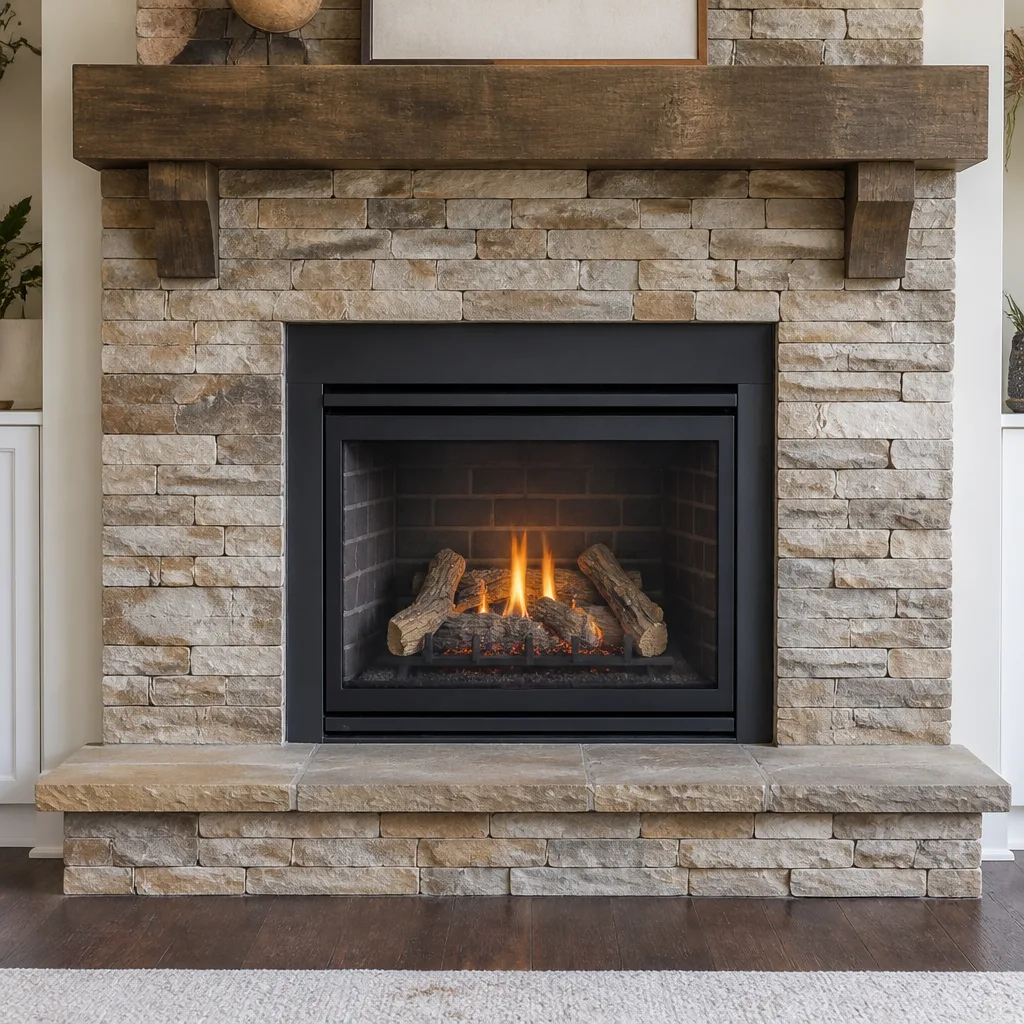 Gas fireplace service
Level 1 sweep and inspection to the NFPA 211 annual standard - flue, crown, cap, and flashing checked and photographed
Chimney sweep logs do not sweep chimneys. They loosen some creosote - which then falls where a brush and vacuum still have to collect it.
Chimney Sweep Maintenance Schedule: What to Do and When
NFPA 211 says to have your chimney inspected once a year. That’s the industry standard, and it’s true as far as it goes. What it doesn’t tell you is that scheduling that inspection in October, when every sweep in Greeley is booked solid, is the single most common reason homeowners skip the yearly check altogether. The standard gives you a target, not a calendar. The real schedule depends on what you burn, how often you burn it, and how our northern Colorado freeze-thaw cycles treat masonry. This guide gives you a month-by-month framework: what to do, when to do it, and what you can safely handle between professional visits.
Quick Answer
Have your chimney inspected once a year, and sweep it based on fuel type and burn volume: annually for wood-burning fireplaces with regular use, monthly checks with an annual sweep for gas units, and yearly sweeps for pellet inserts. In Greeley, schedule your inspection in August – before heating season demand spikes and while warm weather still allows masonry repairs to cure before the first hard freeze. Between professional visits, check your damper, watch for creosote buildup, and monitor for chimney odors.
Styles & brands we work with
- Sweep & inspection
- Caps & crowns
- Flue relining
- Masonry repair
- Gas fireplace service
Table of Contents
- Why a Single Annual Sweep Isn’t Enough
- Fuel Type Determines Your Sweep Frequency
- The Greeley Month-by-Month Maintenance Calendar
- What to Do Between Professional Sweeps
- Tracking Burn Hours: The Cord of Wood Benchmark
- Post-Storm Inspection Triggers
- Signs You Shouldn’t Wait for Your Scheduled Sweep
- What to Expect to Pay in Greeley
Why a Single Annual Sweep Isn’t Enough
Your chimney is a simple structure on paper: a flue, a cap, a damper, some masonry or a liner. In practice it changes from season to season. Creosote deposits build at different rates depending on how hot your fires burn. Masonry absorbs moisture in spring, freeze-thaw cycles crack mortar joints in winter, and summer heat can make old sealant brittle. A once-a-year visit catches problems, but it catches them at one point in the year. A schedule catches them before they start.
We work in chimneys only, so we see the same failure patterns year after year. The homeowner who has us out in August usually needs a sweep and nothing more. The homeowner who calls in November after the first fire has smoked up the house often needs the sweep plus an inspection plus a repair, and the repair has to wait until the weather cooperates or the problem gets worse over winter.
The NFPA standard is a floor. What we’re describing here is how to build on that floor so your chimney in Greeley doesn’t spend the cold months in a state that could lead to a creosote fire or carbon monoxide backup.
Fuel Type Determines Your Sweep Frequency
The single biggest misconception we run into is the idea that all chimneys need the same schedule. They don’t. A gas log set, a wood-burning fireplace insert, and a pellet stove produce wildly different byproducts and deposit them at different rates.
Wood-Burning Fireplaces and Stoves
Wood leaves creosote in your flue – the tar-like residue that can ignite at high temperatures. It’s the primary reason for annual sweeps. If you burn a couple of fires a week between October and March, an annual sweep is the right baseline. If you burn heavily, or burn with poorly seasoned wood, you may need a sweep every six months or a mid-season check as well. For the full scope of what a proper sweep includes, see our chimney sweep page.
Gas Fireplaces and Inserts
Gas burns cleaner and deposits far less creosote, so many manufacturers recommend an annual sweep and inspection. The real concern in a gas unit is debris and nest-building in the flue (birds and insects find an unprotected chimney inviting) and the condition of the liner. We still advise a yearly check. Skipping it because “gas burns clean” is how a clogged flue or a degraded liner goes unnoticed.
Pellet Stoves and Inserts
Pellet stoves leave more ash than gas but less creosote than wood. An annual sweep is usually right, along with regular ash removal you handle yourself during the season. Pellet vent can clog, so annual inspection matters more than most owners realize.
What Happens If You Conflate the Schedules
Apply the wood-burning schedule to a gas unit and you over-spend on sweeps while possibly missing the liner issue gas owners should track. Apply the gas schedule to a wood burner and you skip a sweep the creosote buildup demands. That’s the sequence that leads to a chimney fire. Match the schedule to the fuel, not the room.
The Greeley Month-by-Month Maintenance Calendar
Here’s where the generic advice stops and our local climate starts to matter. Northern Colorado moves through distinct seasons, and each one asks something different of your chimney. Building the schedule around that cycle is more effective than running a sweep every fall and hoping for the best.
January through March: Mid-Heating-Season Check
These are the heavy-burn months. You don’t need a professional visit here unless you burn daily, but you should visually check for creosote buildup and confirm the damper still moves freely. If you’ve burned more than a couple of cords, schedule a mid-season sweep.
April and May: Post-Season Assessment
Once the heating season winds down, look for winter damage. Snowmelt getting into a cracked crown or a missing chimney cap often shows up as staining or spalling brick in the spring. This is a good time to book a professional inspection before the season ends.
June and July: The Repair Window
Warm, dry weather is when masonry repairs and chimney repair work best. Mortar, sealant, and any restorative liners need warm temperatures to cure correctly. If a summer inspection turns up a crown issue or a cracked flue, the repair can happen now – safely and comfortably – instead of waiting for a break in the winter.
August: The Ideal Inspection Window
This is our recommended month for the annual inspection, and it’s the point most homeowners miss. By August, the repair window is still open but the fall booking crunch hasn’t started. Scheduling in August lets you book the slot you want, complete any needed repair before the first freeze, and start the season with a clean flue and a documented inspection report. Book in October and you’re competing for the last appointments before the first cold snap.
September and October: Pre-Season Prep
Empty the firebox, clear the ashes, verify the cap, and test the damper. If your inspection slipped from August, this is the backup slot. For help evaluating what our Greeley team finds, see our Greeley service page.
November through December: Burn Season
Burn dry, seasoned wood, keep an eye on the flue, and note any odd smells or smoke back-drafting. If something doesn’t feel right, stop burning and schedule a check.
What to Do Between Professional Sweeps
A professional sweep clears the hazard; the work between visits keeps it clear. These are the checks we walk homeowners through – all safe for you to do yourself.
- Visual flue check. With a flashlight, look up the flue from the firebox. You should see a smooth surface, not heavy buildup or a visible glaze. If you see more than a light dusting, book a sweep.
- Damper operation test. Open and close the damper several times. It should move smoothly with no grinding or sticking. If it jams or won’t seat fully open, call us.
- Chimney cap inspection. From ground level, make sure the cap and spark arrestor are intact and clear of debris. Missing or damaged caps let in water and wildlife.
- Odor monitoring. A persistent burnt or smoky smell when you’re not burning often signals a clogged flue, a downdraft, or moisture in the masonry. Book an inspection.
- Exterior look-over. Check the outside of the chimney for staining, cracked brick, or loose mortar. White staining can mean moisture is working its way in.
None of these replace a professional sweep – they just tell you when to call one sooner than planned.
Tracking Burn Hours: The Cord of Wood Benchmark
Calendar months are a blunt instrument. If you burn two fires a week, an annual sweep is generous. If you heat your home with wood from October to March, a year might be more than your chimney can safely absorb. The better measure is how much fuel you’ve actually burned.
Here’s a working benchmark: treat roughly one full cord of wood as a trigger to check your flue and consider a sweep. If you burn half a cord in a winter, your annual sweep is comfortably within schedule. If you burn two or three, you’re likely a candidate for a mid-season sweep. Keep a simple log – the date you load a face cord, the date you burn through it – and you’ll have a far more accurate read than any calendar can give you.
A few habits protect your flue while you burn. Use wood that’s been seasoned at least six months (twelve is better for hardwoods), keep the damper open while burning, and avoid slow-smoldering fires – that’s the pattern that lays down the thickest creosote.
Post-Storm Inspection Triggers
Some events override your scheduled check entirely. Northern Colorado earns its storms, and chimney damage often comes from the weather, not the fire.
- Hail. Hail the size of a marble can chip a clay chimney cap and loosen mortar. After a significant hail event, do a ground-level look and book an inspection if you see damage.
- High wind. Wind can take a chimney cap off entirely or shift a draft hood. A missing cap is an open door for rain and wildlife.
- Hard freeze cycles. Repeated freeze-thaw is the quiet enemy of masonry. Water gets into a small crack and expands when it freezes, widening the crack. After a hard freeze, check the exterior for new spalling or loose brick.
- Any visible change. Cracks, white staining, a leaning chimney, or debris in the firebox all warrant a call regardless of where you are on the schedule.
When a storm comes through and you’re not sure, an inspection is cheap insurance. From the sweep itself to the repair, we work in chimneys only – it’s all we do – so we can identify the issue and handle it in one visit rather than sending you to a general contractor.
Signs You Shouldn’t Wait for Your Scheduled Sweep
The schedule is your baseline. These signals move it forward:
- Smoke rolling back into the room when you open the damper
- A strong, persistent smell even when the fireplace is cold
- Visible creosote glaze on the flue walls
- Staining on the ceiling or around the chimney breast inside the house
- White or dark staining on the chimney exterior
- A cracked or missing chimney cap
- A damper that won’t seat fully or that jams
- Ash or debris falling into the firebox unexpectedly
Any of these can point to a situation you don’t want to keep burning through. The earlier the inspection, the more options you have for repair before the problem spreads.
What to Expect to Pay in Greeley
Chimney services vary by what’s being done and the condition of your flue. A standard sweep, a full inspection, and a repair are priced differently because they require different tools and time. The most reliable number you’ll get is from a written estimate after a diagnostic visit. Ask any company you call for a flat quote before the visit, so you know what’s being booked.
What separates a competent visit from a cheap one is what happens inside the flue. A proper inspection includes camera work and a photo report you can see for yourself. That’s the evidence behind every recommendation, and it’s the reason you shouldn’t be told you need liner or masonry work you have no way to verify. We use professional-grade materials from recognized brands – DuraFlex liners, Copperfield systems, and HeatShield restorative products among them – so replacements are matched to your chimney type rather than a one-size solution.
Common Mistakes to Avoid
- Scheduling in October because that’s when you think of it. By then, most Greeley sweeps are booked solid and the repair window is narrowing. August is the smarter slot.
- Skipping the sweep because “the fire burns fine.” A clean-burning fire can still lay down invisible creosote. The flue is the last place you can see the problem.
- Assuming gas means you can skip it. Gas units still need an annual check for debris, nests, and liner condition.
- Burning green or unseasoned wood to stretch your supply. It deposits creosote faster and makes mid-season problems more likely.
- Waiting until a repair is urgent to have it looked at. A small crack in summer is a manageable repair. The same crack after a hard freeze may need far more work.
- Treating a general handyman as a specialist. A chimney is a specialized system. A generalist who also sweeps chimneys isn’t the same as a specialist who works in flues every day.
- Never seeing the evidence. If a technician tells you that you need work without showing you a camera image, ask to see it before you authorize anything.
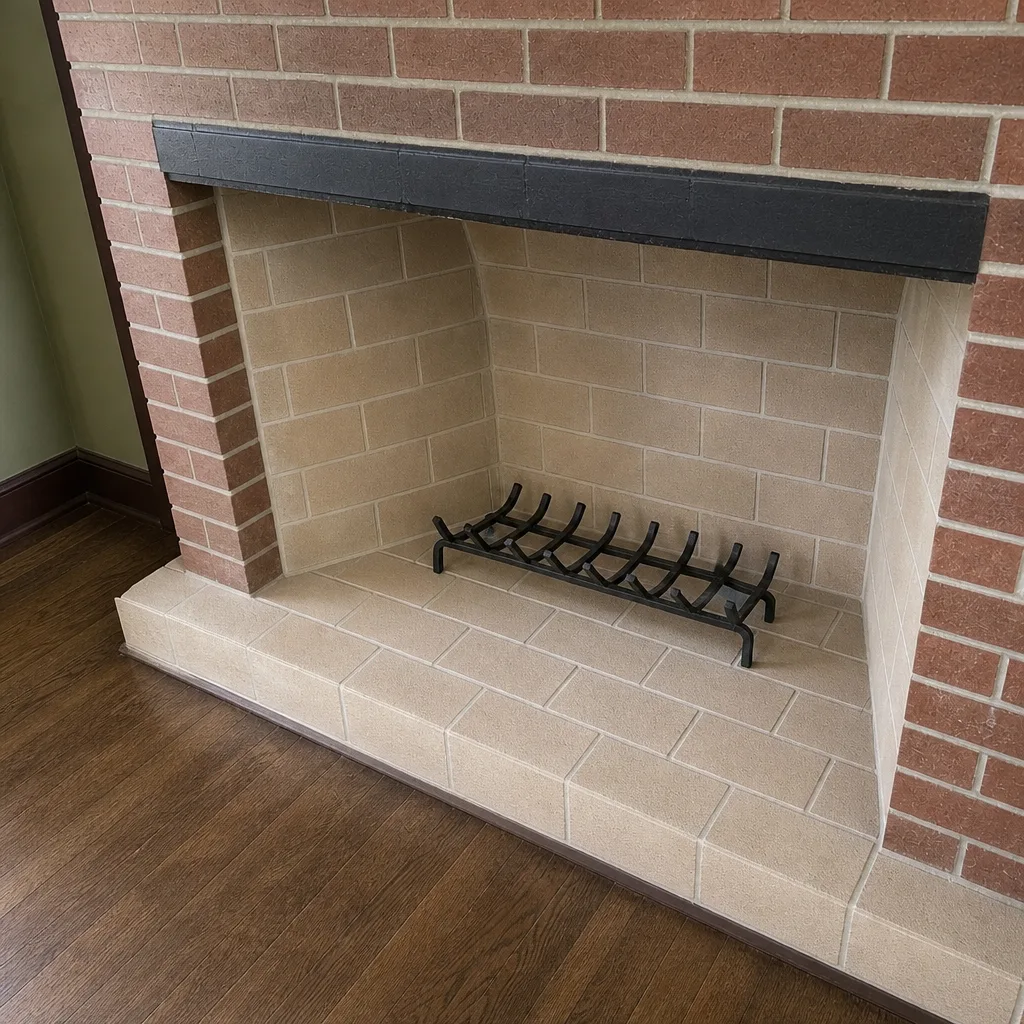
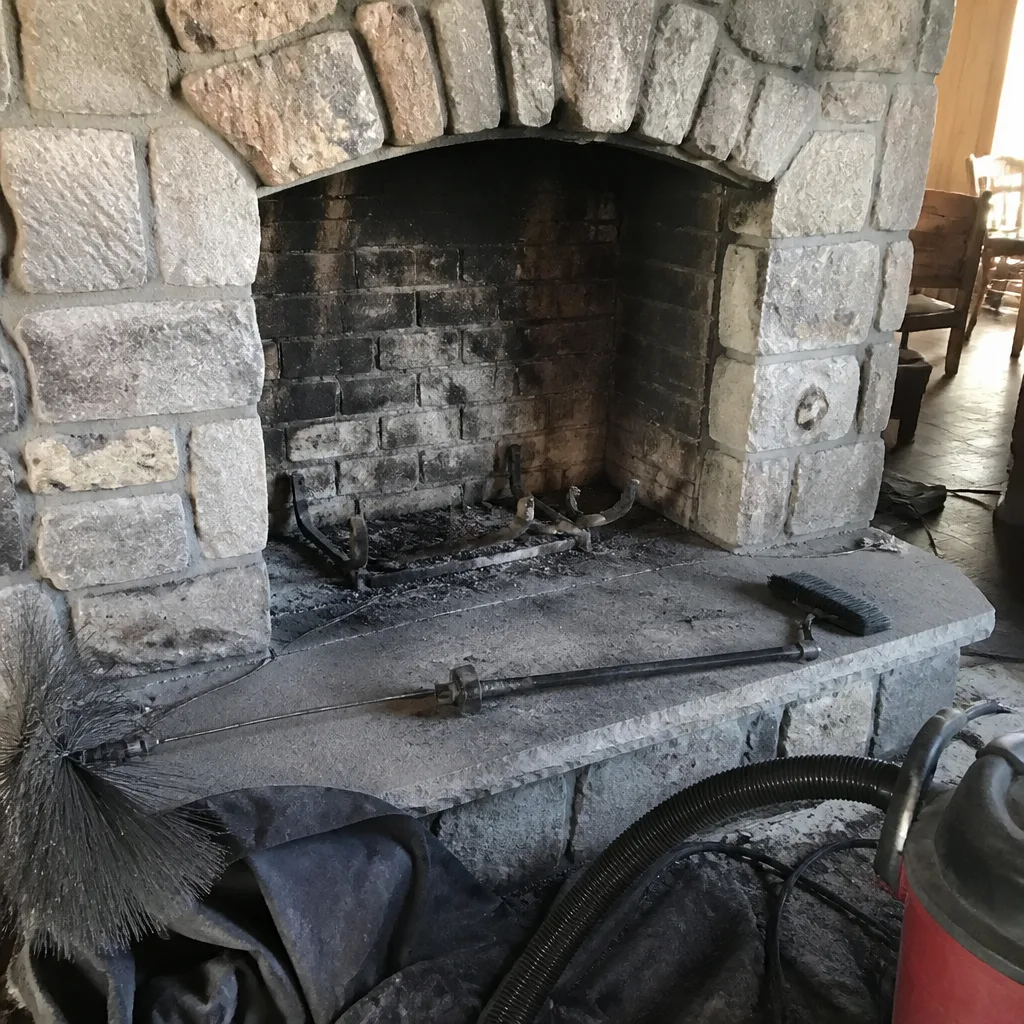
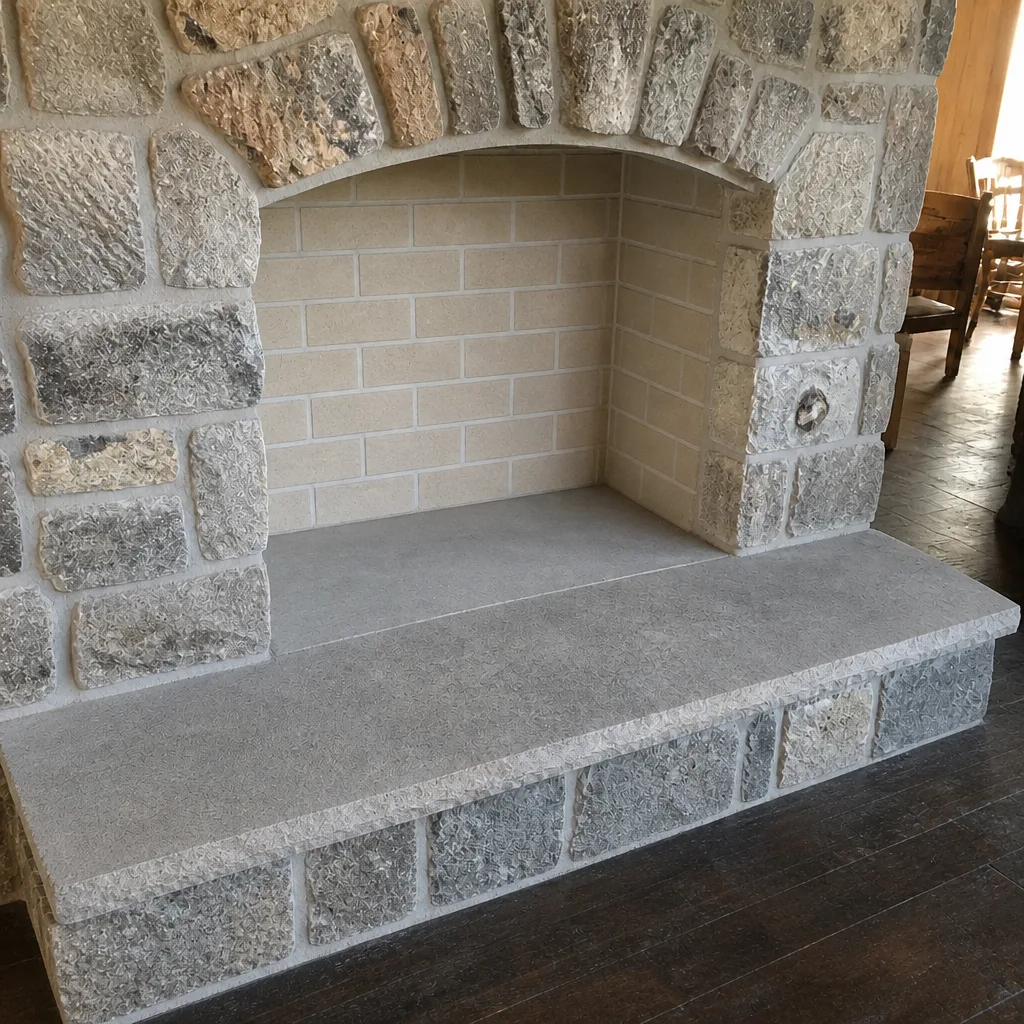
See the difference
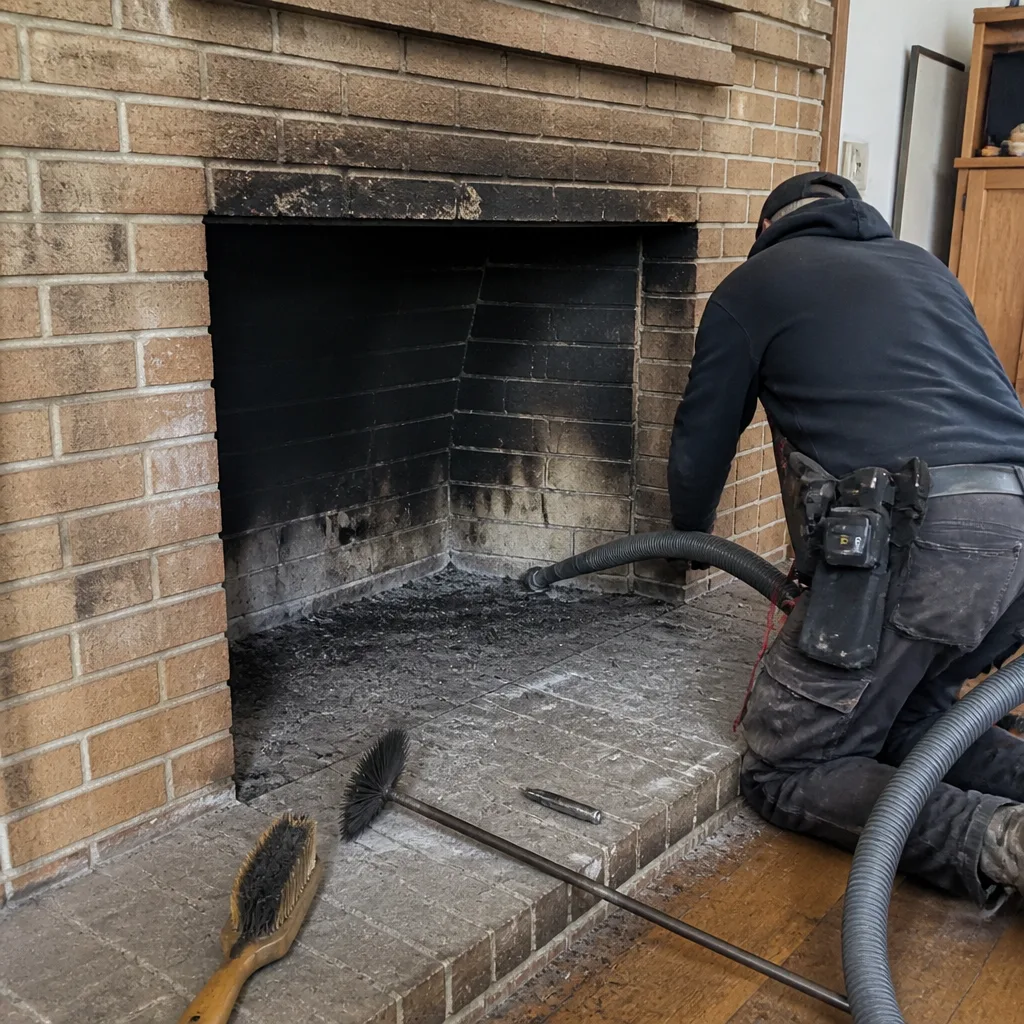 Before
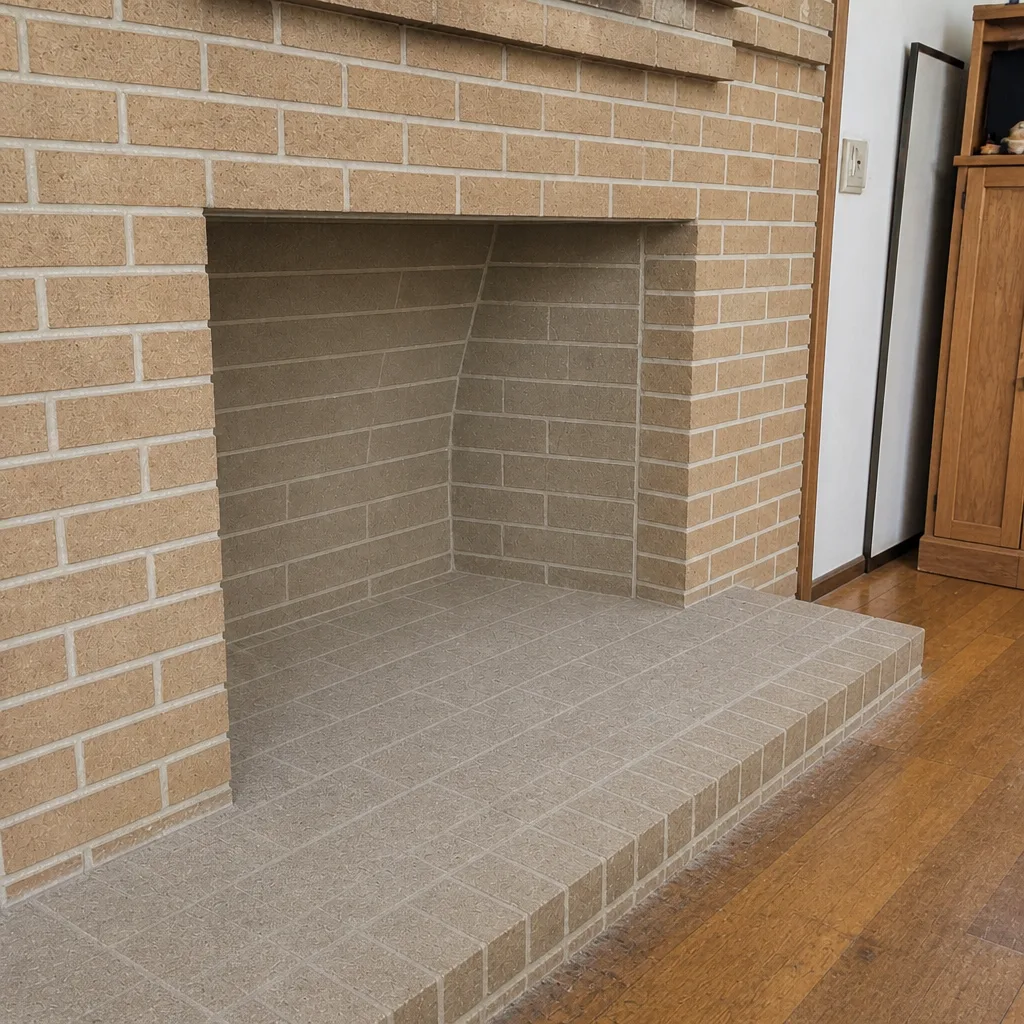 After
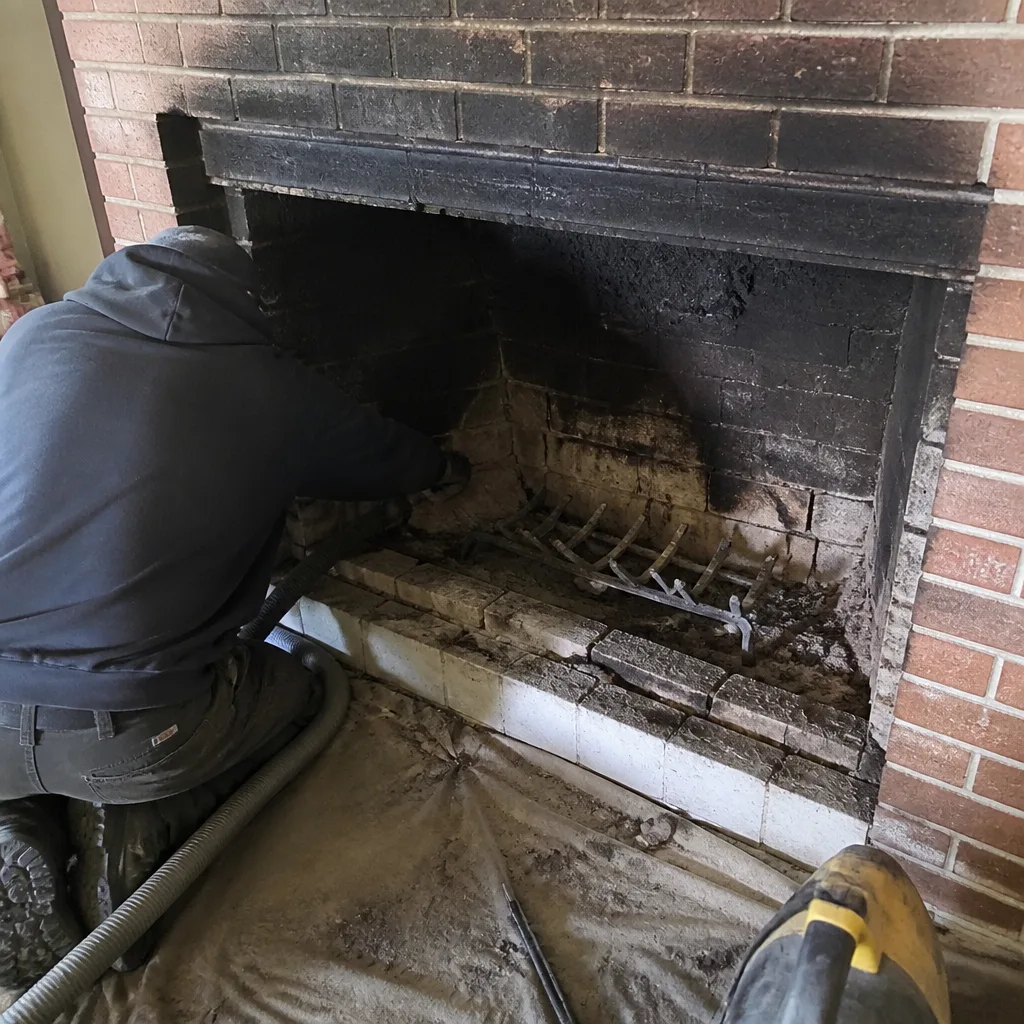 Before
 After
 Before
 After
When to Call a Professional
Call a pro immediately if smoke rolls back into the room, you smell gas, you see water staining on the ceiling, you suspect a chimney fire has happened, or you have any visible damage after a storm. The work itself – sweeping, inspection, repair – is best done once a year on your schedule, but these signals override the calendar. You should also call any time you buy a new home and don’t know the chimney’s history. Whatever chimney services you end up needing in Greeley, Chimney Sweep Greeley offers free estimates – call (855) 632-3564. We answer 24/7. Fast dispatch from 7am to 7pm, Sunday through Friday.
Frequently Asked Questions
Once a year for most wood-burning fireplaces with regular use, and every six months or a mid-season sweep if you burn heavily. Gas units need an annual check, and pellet inserts are typically annual. The NFPA standard is an annual inspection; the sweep interval depends on how much you burn.
August. It’s before the fall booking rush, and it leaves time to complete any masonry or liner repair before northern Colorado freeze-thaw cycles set in. If you miss August, September or early October is your backup window.
We don’t recommend it. A year without a sweep means a year of creosote buildup you can’t see. Creosote can fuel a chimney fire, and a liner that’s degrading doesn’t improve with time. The annual inspection is the minimum to catch problems while they’re still small.
Use the cord-of-wood benchmark. If you’ve burned through roughly a full cord, or you see heavy creosote buildup in a visual check, book a sweep. If you burn lightly and see only a light dusting, you can typically wait for your annual visit.
A sweep clears creosote and debris. An inspection evaluates the flue, liner, crown, and cap, ideally with camera work and a photo report. They’re different services, and a good visit covers both.
Yes. A newer chimney has the same creosote exposure as any other. Age doesn’t reduce the need for an annual inspection, and a camera inspection can catch construction-era issues early.
Only if the camera shows the existing liner is cracked, degraded, or the wrong type for your appliance. We don’t recommend a liner without camera evidence you can see. Some flues need a restorative repair using a HeatShield solution rather than a full reline, and others are fine for another year.
Creosote accumulates, and the risk of a chimney fire goes up. A clogged or damaged flue can also back up carbon monoxide into the house. Call (855) 632-3564 for an exact schedule check – estimates are free.
The Bottom Line
The one-sweep-a-year habit is a floor, not a full schedule. Build your annual plan around what you burn: wood units need annual sweeps with mid-season checks if you heat heavily, gas units need an annual inspection for debris and liner condition, and pellet inserts need a yearly sweep. In Greeley, aim for that August inspection window to beat the booking crunch and keep the repair window open. Between visits, do the damper test, watch for odor and staining, and track your cords. When a storm hits or something looks wrong, call – it’s always easier to fix in summer than in February. Our technicians have up to 13 years of experience, and we work in chimneys only. Chimney Sweep Greeley is here when you’re ready to book.
Written by the team at Chimney Sweep Greeley.