
Last updated November 15, 2026
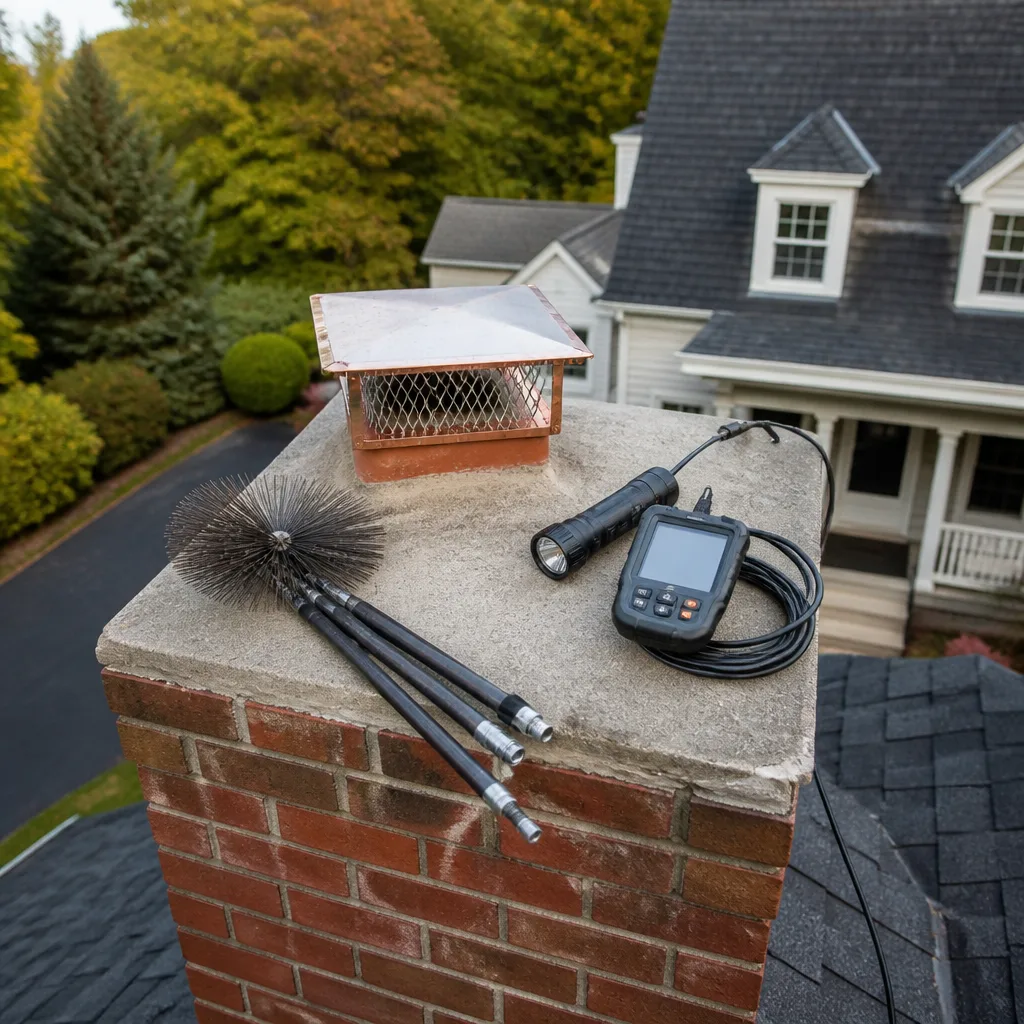 Sweep & inspection
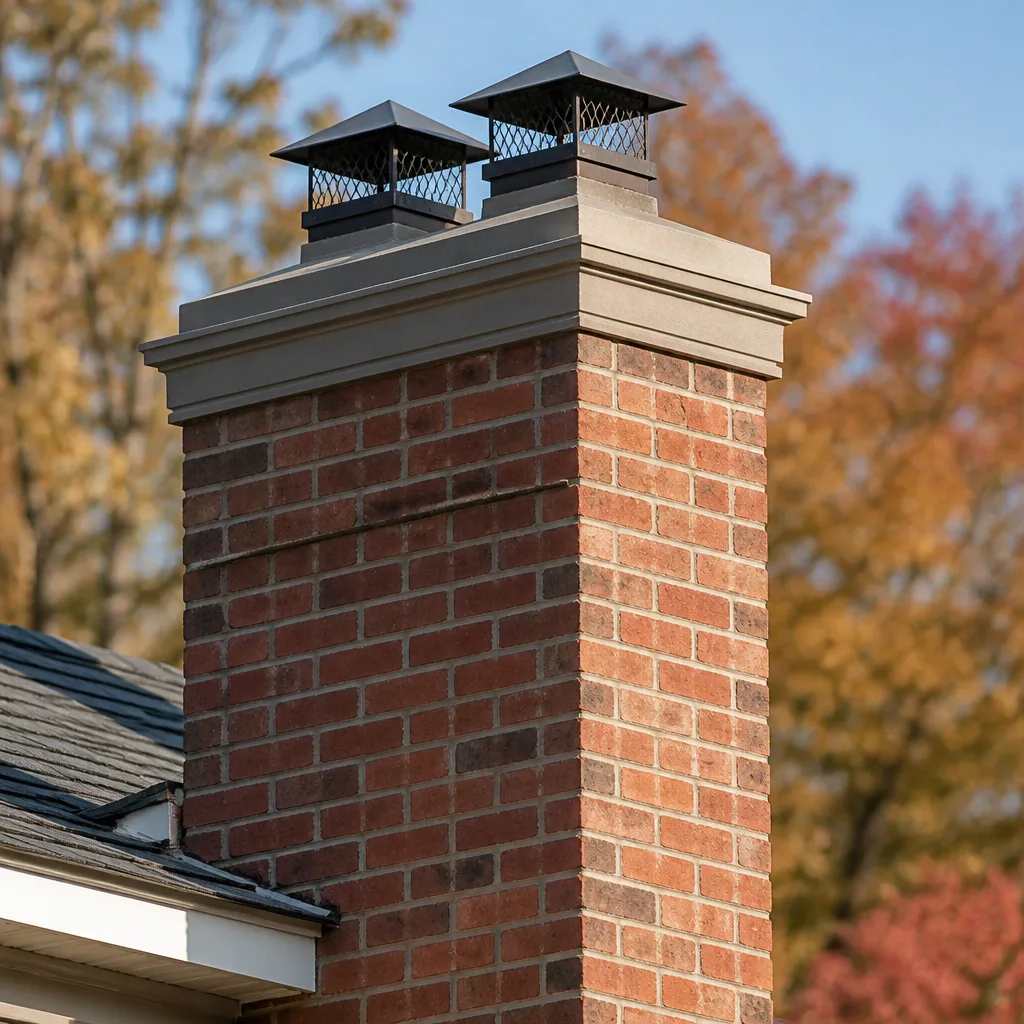 Caps & crowns
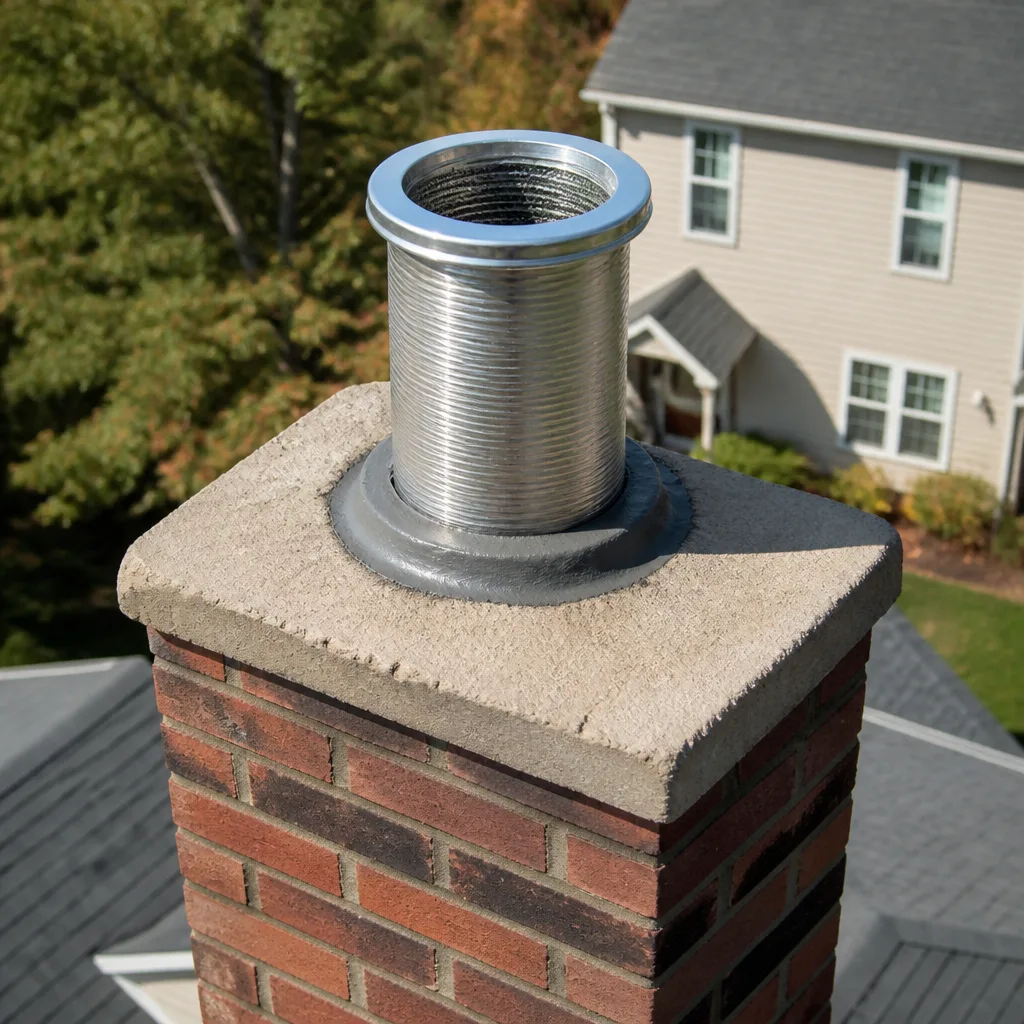 Flue relining
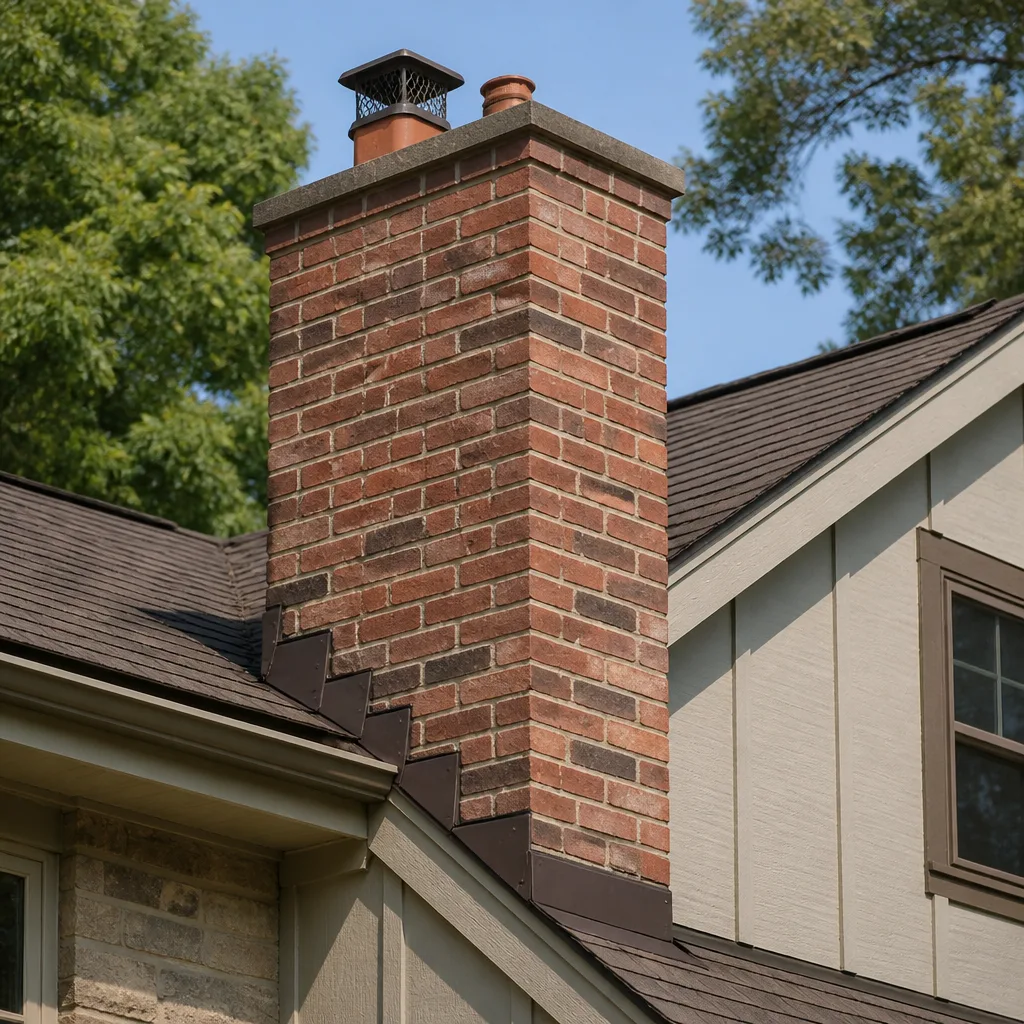 Masonry repair
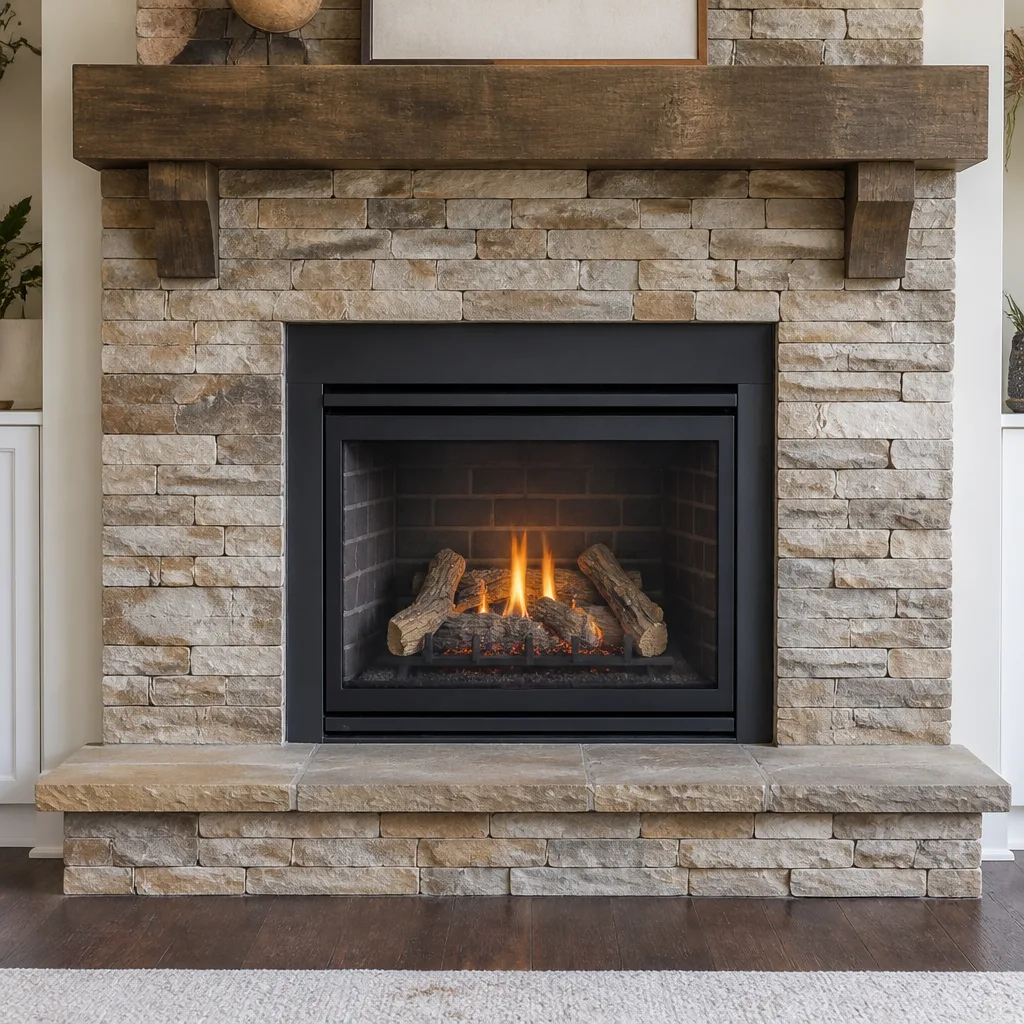 Gas fireplace service
Level 1 sweep and inspection to the NFPA 211 annual standard - flue, crown, cap, and flashing checked and photographed
Chimney sweep logs do not sweep chimneys. They loosen some creosote - which then falls where a brush and vacuum still have to collect it.
The Complete Guide to Chimney Cleaning in Greeley
Most chimney advice you’ll read online was written for sea-level houses with damp winters, and it doesn’t fit here. At 4,658 feet, Greeley chimneys swing through temperature changes faster than Denver’s, and the semi-arid air pulls moisture out of firewood in ways that change how creosote forms on your flue walls. That’s why the national “clean it once a year” line needs local calibration, not blind obedience. In this guide we’ll cover how elevation and humidity affect combustion, which wood species northern Colorado homeowners actually burn, what a real Level 1 and Level 2 inspection involves, why foothills wind creates backdraft you need to check for, and the full inspection-to-repair sequence that keeps a flue safe. If you’re searching for a straight answer on chimney cleaning in Greeley CO, start here.
Quick Answer
Chimney cleaning in Greeley means removing creosote, soot, and blockages from the flue, then inspecting the whole system so you know it’s safe to burn. For most wood-burning homes here, that’s an annual sweep plus a Level 1 inspection, upgraded to a Level 2 camera inspection whenever something changes (a new appliance, a liner decision, or a season of heavy burning). Because Greeley’s high, dry climate builds glaze faster than lower-altitude towns, “once a year” is a starting point, not a guarantee.
Styles & brands we work with
- Sweep & inspection
- Caps & crowns
- Flue relining
- Masonry repair
- Gas fireplace service
Table of Contents
- How Greeley’s Elevation and Dry Air Change Creosote Formation
- The Wood Northern Colorado Homeowners Burn (and What It Costs You)
- Level 1 vs Level 2 Inspections: What the Sweep Is Actually Doing
- Front Range Wind and Backdraft: Why Every Inspection Checks for It
- The Full Service Cycle: Inspection, Cleaning, Repair (in That Order)
- How Often Should You Really Clean Your Chimney in Greeley?
- What Chimney Cleaning and Repair Typically Cost
- Common Mistakes to Avoid
How Greeley’s Elevation and Dry Air Change Creosote Formation
At 4,658 feet, the air is thinner and holds less oxygen per cubic foot than it does at sea level, and it also holds less moisture. Both matter to your fire. A wood fire needs oxygen to burn cleanly, and when the fire is starved it produces more unburned gas, which condenses on a cooler flue wall as creosote. That’s the core issue: incomplete combustion plus a cool flue equals buildup. Greeley’s dry air helps firewood season, but it also means the wide day-to-night temperature swings cool a flue quickly once the fire dies down, and that rapid cooling is exactly when creosote condenses and hardens.
Compare this to a lower-altitude town with a damper, steadier climate. There, a flue often stays warm longer, and the creosote that forms tends to be softer and easier to brush. Here, the swing between a hot burn and a cold evening flue is sharper, and you get more of the hard, glazed type that a standard brush won’t remove on its own.
- Less oxygen per breath of air means an under-fired stove or an open fireplace smolders more readily, producing more unburned gas.
- Low humidity seasons wood fast on the surface but can leave the core wet if it’s stacked too thick, so surface-dry logs can still burn poorly.
- Fast temperature swings cool flue walls between burns, and cooler walls condense more creosote.
- Glazed creosote is the tough, shiny layer that forms under these conditions and often needs more than brushing.
What this means practically: a Greeley flue can build up a meaningful layer in fewer burns than a sea-level guide would suggest. If you burn a lot of fires in a cold snap, or you notice your damper getting stiff, don’t wait out the calendar. Check it. Our technicians have up to 13 years of experience reading exactly this pattern in Greeley homes.
The Wood Northern Colorado Homeowners Burn (and What It Costs You)
The species you burn changes how often your flue needs cleaning, and northern Colorado has its own wood supply. Two of the most common here are pine and cottonwood, and both behave differently from the dense hardwoods that national guides assume.
Pine is soft, resinous, and lights easily, but it burns hot and fast and puts more creosote-forming residue on the flue per cord than a dense hardwood. It’s fine to burn, but it’s not the wood you want for a long, slow overnight fire, because the smolder at the end is where creosote builds. Cottonwood is common along the river bottoms and in yards around Greeley. It’s a soft hardwood that seasons unevenly: the outside can feel dry while the inside still holds moisture, so it burns poorly if you don’t give it real drying time. Burn wet cottonwood and you get a smoky, low-heat fire, which is a creosote factory.
- Pine – easy to light, hot and fast, more frequent flue checks.
- Cottonwood – needs thorough seasoning, burn it dry or not at all.
- Hardwoods (where available) – denser, longer burns, generally cleaner if seasoned properly.
Whatever you burn, the moisture content is the real variable. Wood that’s been split, stacked with airflow, and covered on top but open on the sides burns far cleaner than wood pulled straight from a pile. If your fire hisses, smokes at the front, or struggles to catch, the wood is wet, and wet wood is the single biggest driver of creosote in Greeley homes.
When you’re ready to know what’s actually inside your flue, a professional chimney sweep will read the residue and tell you whether your burning habits are the cause.
Level 1 vs Level 2 Inspections: What the Sweep Is Actually Doing
Inspections aren’t paperwork. They’re physical, and the level tells you how far into the system the technician goes. A Level 1 covers the readily accessible parts: the firebox, the damper, the smoke chamber, the flue as far as can be seen, and the cap and exterior from the ground or a safe vantage. It’s the standard check on an annual sweep when nothing has changed. A Level 2 goes further. The technician runs a camera down the flue to inspect the entire interior, including offsets, and checks the attic and any concealed spaces the chimney passes through. It’s what you want when the system has changed or when there’s a reason to suspect a problem.
Here’s what a Level 2 camera inspection physically looks like in practice:
- The technician sets up at the firebox and feeds a camera up the flue, watching a monitor for cracks, gaps, spacing, and glaze.
- Every joint, offset, and flue transition gets checked on screen, because that’s where liners fail and heat escapes.
- The technician photographs what the camera sees, so you can look at the same evidence they’re looking at.
- Exterior checks cover the crown, cap, flashing, and masonry for cracks, spalling, and water entry.
- You get a report with the images and a plain-language summary of what’s fine, what needs watching, and what needs work.
Why does this matter in Greeley? Because a Level 1 can only see so far up an offset flue, and an old masonry chimney with a hidden crack can pass a visual check while still leaking heat or smoke. The camera removes the guesswork. You can read more about what each visit covers on our inspection detail, and when the camera finds a defect, that’s where chimney repair comes in.
Front Range Wind and Backdraft: Why Every Inspection Checks for It
Greeley sits where the plains meet the foothills, and wind pouring off the Front Range can create pressure conditions that push smoke back down a flue. That’s backdraft, and it’s a real, local issue, not a theoretical one. A chimney is a pressure system: it works because warm air rises. When outside wind and pressure overpower that rise, smoke spills into the room instead of going up. Homes here are sized and sited differently, so the wind effect varies from house to house, which is why it has to be checked on the actual system.
- Chimney height – a stack that’s shorter than code expects or too close to the ridge can get caught in a wind eddy.
- Cap condition – a clogged or damaged cap restricts flow and worsens backdraft.
- Flue sizing – a flue too large for the appliance won’t warm up enough to establish a strong draft.
- Negative pressure – tight modern homes with strong exhaust fans can pull air down the chimney.
- Obstructions – bird nests, debris, and soot blockages cause smoke to stall and reverse.
During an inspection, the technician checks the draft, looks at the cap and stack height, and asks how the fire behaves on windy days. If you’ve ever had smoke roll into the room when the wind picks up, tell the technician, because that’s a specific clue about what’s wrong. Curing it usually means adjusting airflow, the cap, or the flue, not just cleaning. It’s one of the reasons a proper inspection finds problems a sweep alone would miss.
The Full Service Cycle: Inspection, Cleaning, Repair (in That Order)
The order of these three steps matters, and skipping one creates compounding problems. Inspection diagnoses. Cleaning removes the hazard. Repair fixes the root cause. Do them out of order and you either clean blind or repair the wrong thing. Here’s why the sequence holds:
- Inspection first. The technician reads the system before touching it: creosote level, cracks, cap, crown, draft. That determines how the cleaning is done and whether a camera is needed. Cleaning without inspecting is guessing.
- Cleaning second. Once hazards are known, the flue gets swept. The sweep removes soot and creosote down to bare flue, and the technician can then see the walls that were coated. If the inspection missed a cracked tile, the clean reveals it.
- Repair third. Now the technician knows the true condition of the flue, the masonry, and the cap. Repair is targeted, not speculative. A glazed flue that won’t brush clean may need restorative treatment, and a cracked flue may need relining. Liner systems from brands like DuraFlex and Copperfield cover flexible and rigid installs for different chimney types. Our Chimney Sweep Greeley specialists run this whole cycle without handing you off to a third party.
Skip the inspection and you might clean a flue that needs repair, wasting the effort. Skip the cleaning and you might repair on top of a creosote-coated surface. Repair before you know the full condition and you risk fixing a symptom while the real problem, like a hidden crack, keeps leaking. That’s why we work in chimneys only: the whole cycle stays with the same specialists, and the findings talk to each other. When repair calls for restorative work, HeatShield capability lets us treat a damaged flue without always going straight to a full reline.
How Often Should You Really Clean Your Chimney in Greeley?
For wood-burning homes in Greeley, annual cleaning is the baseline, but your burning habits set the real interval. A home that burns a fire most winter nights, runs on pine or under-seasoned cottonwood, or has an older masonry flue should plan on a sweep every year, and should check mid-season if the fire starts behaving differently. A home that burns occasionally on a gas insert with little soot may need less frequent but still regular inspection.
Use these signals to adjust your interval:
- Creosote accumulation – a quarter-inch or more of buildup means it’s time, regardless of the calendar.
- Burning volume – heavy nightly burning pushes you toward annual or more frequent.
- Wood quality – wet or resinous wood builds up faster.
- Draft changes – smoke that lingers or rolls back is a check-it-now signal.
- Appliance changes – a new insert, stove, or liner always warrants a Level 2 inspection.
The cleanest way to decide is to have the flue looked at and read directly. A sweep can tell you the creosote level and whether you can safely wait a season, or whether you should act now. If you’re in Greeley and unsure, that’s what the inspection is for.
What Chimney Cleaning and Repair Typically Cost
Prices vary with flue access, creosote level, and what the inspection finds, so we won’t pretend there’s one number. Here are typical ranges as estimates; the written estimate sets the final price.
| Service | Typical Range (estimate) |
|---|---|
| Standard chimney sweep and Level 1 inspection | Lower to mid range, varies by flue access and creosote level |
| Level 2 camera inspection | Higher than a standard sweep; camera and report work included |
| Restorative flue repair (where suitable) | Higher, priced per job after inspection |
| Liner installation (flexible or rigid) | Higher, priced per job by chimney type and length |
| Cap, crown, or flashing repair | Varies with the extent of the problem |
The point of the inspection is to tell you what’s actually needed, so you’re not sold work you can’t verify. If your flue is clean and safe, we’ll tell you so, and we’ll tell you if anything can safely wait. Pricing is per job by the written estimate, and estimates are free. Call (855) 632-3564 for an exact quote.
Common Mistakes to Avoid
- Trusting the calendar over the flue. “Once a year” is a starting point, but a Greeley flue that’s seen heavy burning may need more. Read the actual buildup, not just the date.
- Burning wet or under-seasoned wood. It’s the biggest driver of creosote here, and it wastes heat too. Get the wood properly dry before it goes in the firebox.
- Skipping the inspection to save time. A sweep alone can miss a hidden crack or draft problem. Diagnosis comes first for a reason.
- Ignoring smoke that rolls back. In Greeley’s foothills wind, backdraft is a real warning sign, not a quirk to live with. Have the draft checked.
- Topping a blocked cap with more screen. Adds restriction and worsens the problem. The cap needs to be checked and cleared, not patched.
- Assuming a gas insert never needs attention. It burns cleaner, but the flue, cap, and venting still need inspection, and a change in appliance warrants a Level 2 look.
- Hiring a generalist who “also does chimneys.” Chimney work is its own trade. A sweep who works in chimneys only reads creosote and draft correctly and won’t hand off the repair.
See the difference
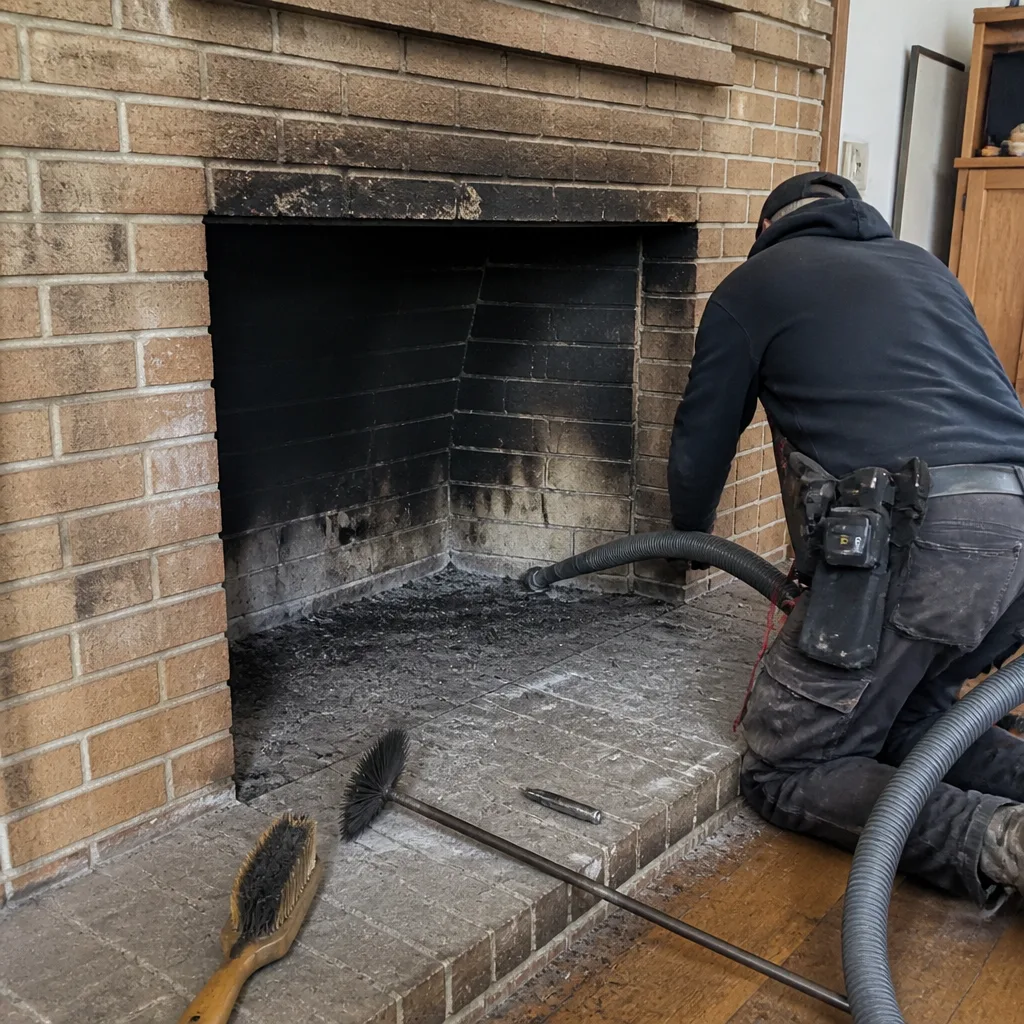 Before
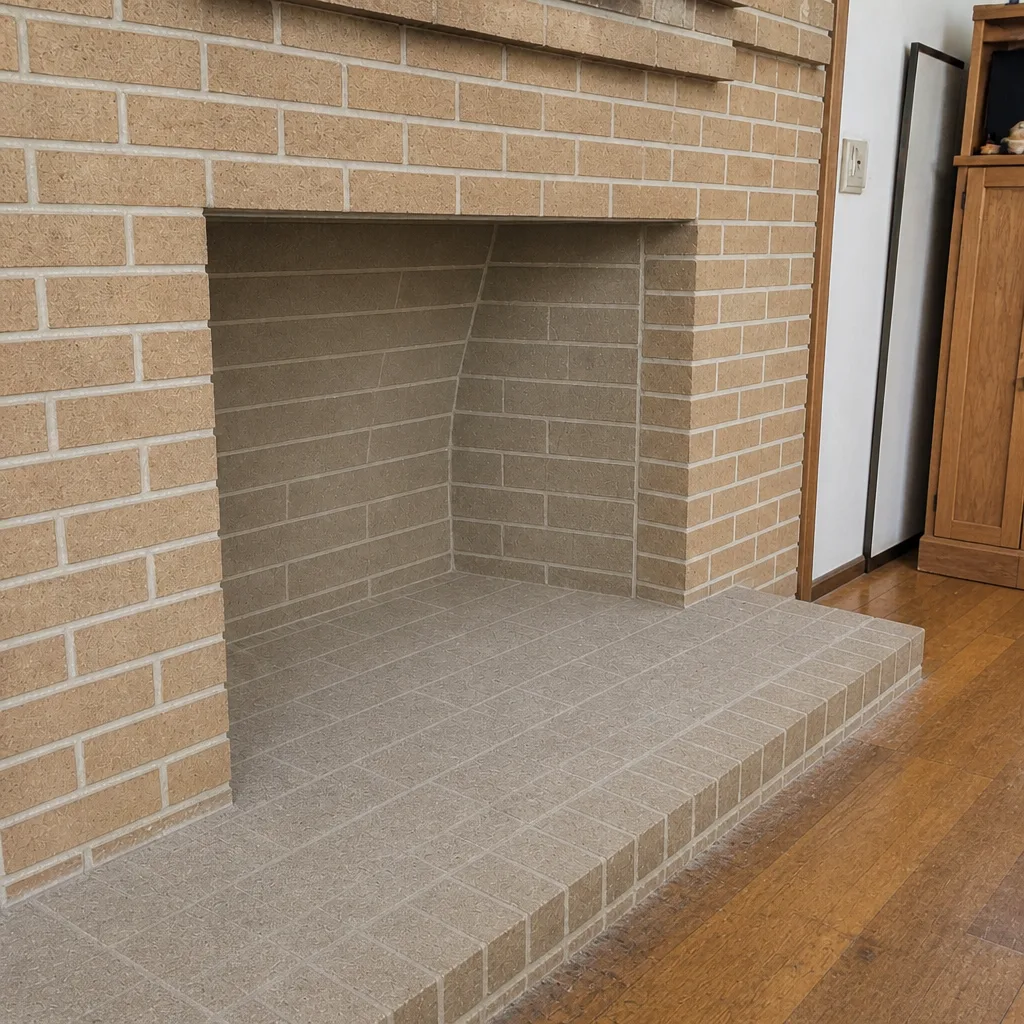 After
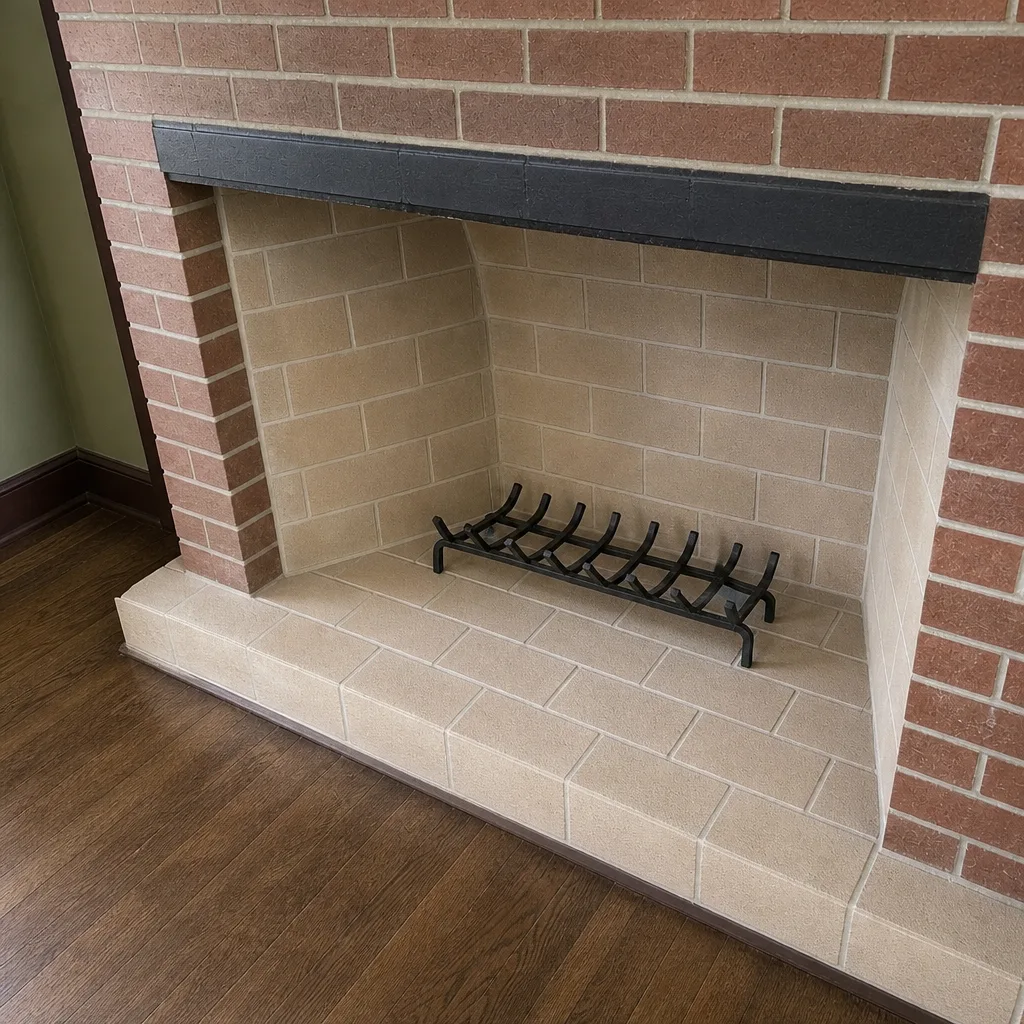
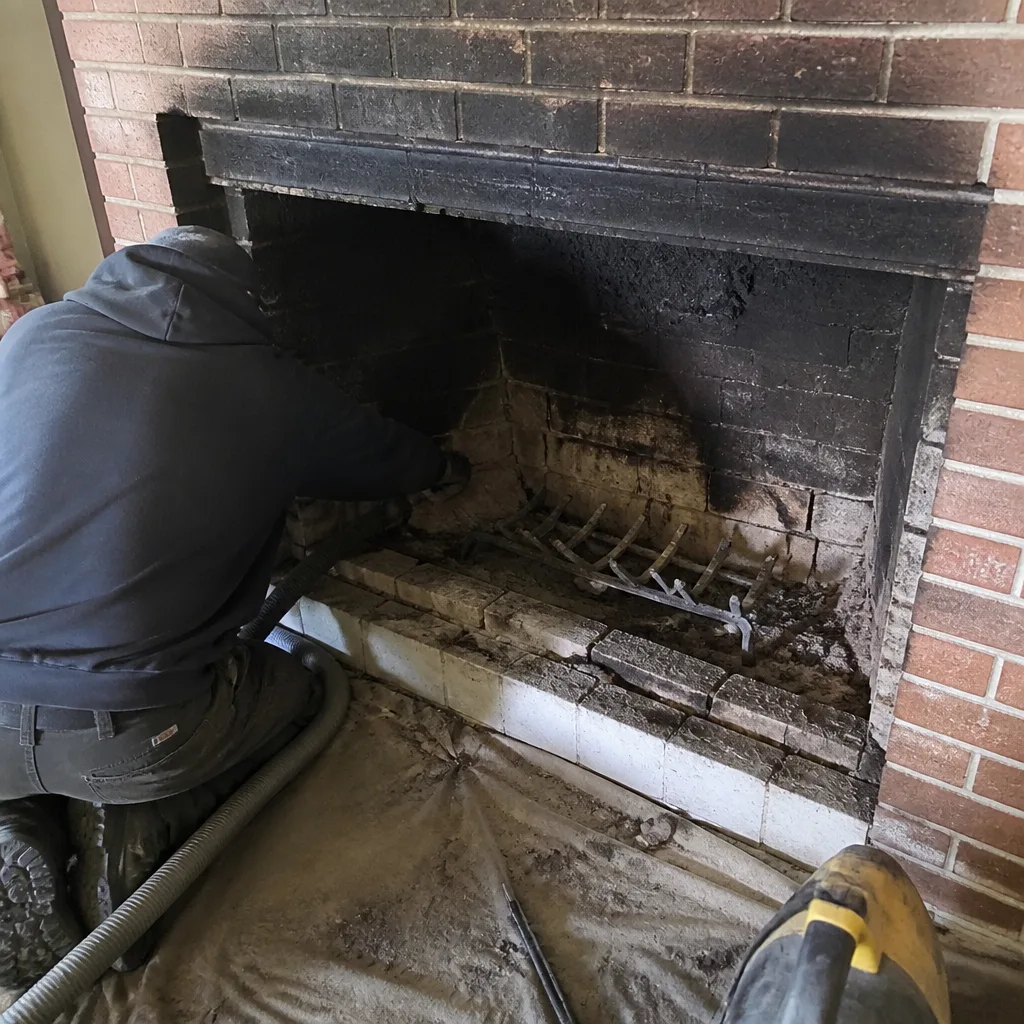 Before
 After
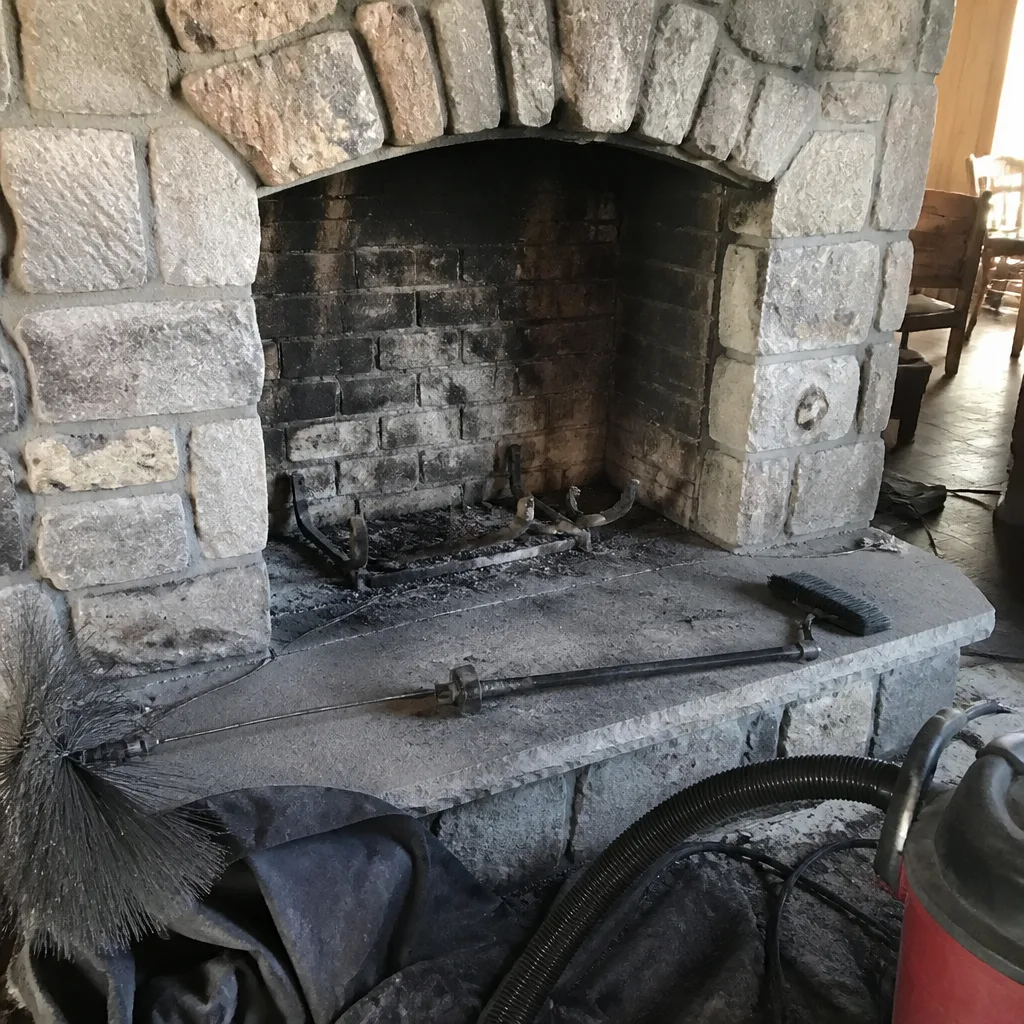 Before
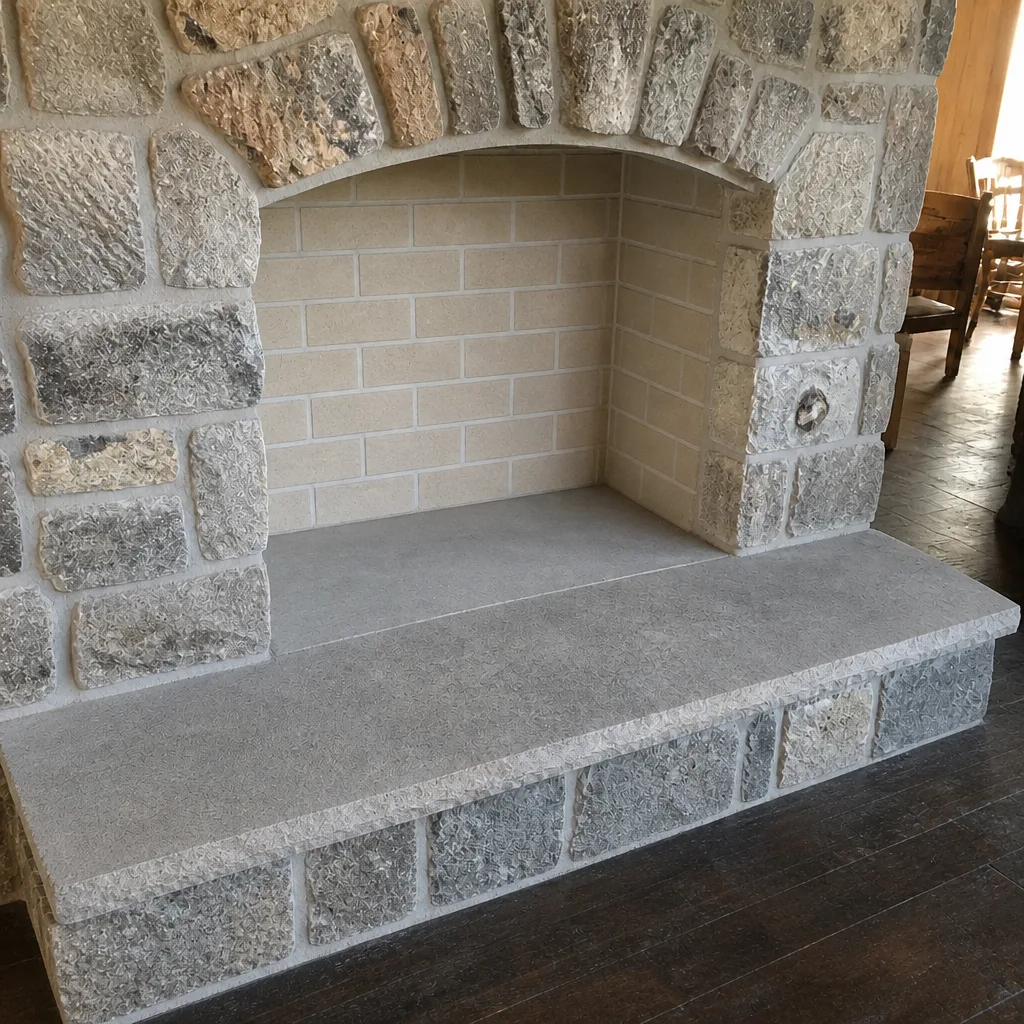 After
When to Call a Professional
Call a professional if you can’t remember the last time the flue was swept, if you’ve burned a full season or more since the last inspection, if smoke ever rolls back into the room, if you see cracked or crumbling masonry, or if you’re installing or changing an appliance. Call if the damper sticks, if the cap looks loose, or if the fire just doesn’t draw the way it used to. None of these are jobs to diagnose by eye from the hearth. Chimney Sweep Greeley offers free estimates in Greeley and works in chimneys only, so the inspection, cleaning, and any needed repair stay with the same specialists. Call (855) 632-3564 to book a sweep and learn what’s really happening inside your flue.
Frequently Asked Questions
A standard chimney sweep with a Level 1 inspection is typically priced in the lower to mid range, and a Level 2 camera inspection runs higher because it includes the camera work and a photo report. The exact price depends on flue access and creosote level, and the written estimate sets the final price. Call (855) 632-3564 for an exact quote: estimates are free.
Not automatically. A liner is only recommended when the camera inspection shows the existing flue can’t safely contain heat or gases, such as cracks, gaps, or a deteriorated liner. We show you the camera images so you can see the evidence yourself, and if the flue is sound, we’ll say so. Call (855) 632-3564 and we’ll walk you through what your inspection found.
For most wood-burning homes here, once a year is the baseline, but the real answer is when buildup reaches roughly a quarter-inch or when your burning volume and wood quality call for it. Greeley’s dry air and temperature swings can build glaze faster than lower-altitude towns. Call (855) 632-3564 to have the flue read and get a straight recommendation.
Creosote builds up on the flue walls, and that’s a fire hazard because it’s flammable. Skipping an inspection can also let a small crack or a blocked cap go unnoticed, which affects draft and safety. It’s a real risk, not a scare tactic, and a sweep resolves it. Call (855) 632-3564 to book a sweep before the next burning season.
That’s backdraft, and in Greeley it’s often tied to Front Range wind overpowering the chimney’s draft, or to a flue that’s too short, too large, or restricted by a clogged cap. Cleaning alone won’t always fix it, so the draft and cap need to be assessed. Call (855) 632-3564 and we’ll check the whole system.
Yes. A gas insert burns cleaner than wood, but the flue, cap, and venting still need inspection, and installing or changing an appliance is a reason for a Level 2 camera inspection. We source venting and cap solutions from brands like Olympia Chimney, Famco, and Gelco when replacement is needed. Call (855) 632-3564 to book an inspection.
The Bottom Line
Chimney cleaning in Greeley is really a three-part cycle: inspect, clean, repair, in that order. The local climate is the variable most guides ignore. At 4,658 feet, with dry air and fast temperature swings, creosote can glaze faster than the national once-a-year rule suggests, and the wood species you burn (pine, cottonwood) changes how often your flue needs attention. Add Front Range backdraft risk and the need to assess it every visit, and you can see why reading your actual system beats following a generic calendar. Get the camera on it, see the evidence, fix what needs fixing, and let what can wait, wait. We work in chimneys only, and we’ll tell you the truth about yours.
Ready to know what’s inside your flue? Contact Chimney Sweep Greeley for a free estimate in Greeley. Call (855) 632-3564. We answer 24/7. Fast dispatch from 7am to 7pm, Sunday through Friday.
Written by the team at Chimney Sweep Greeley.