
Last updated November 15, 2026
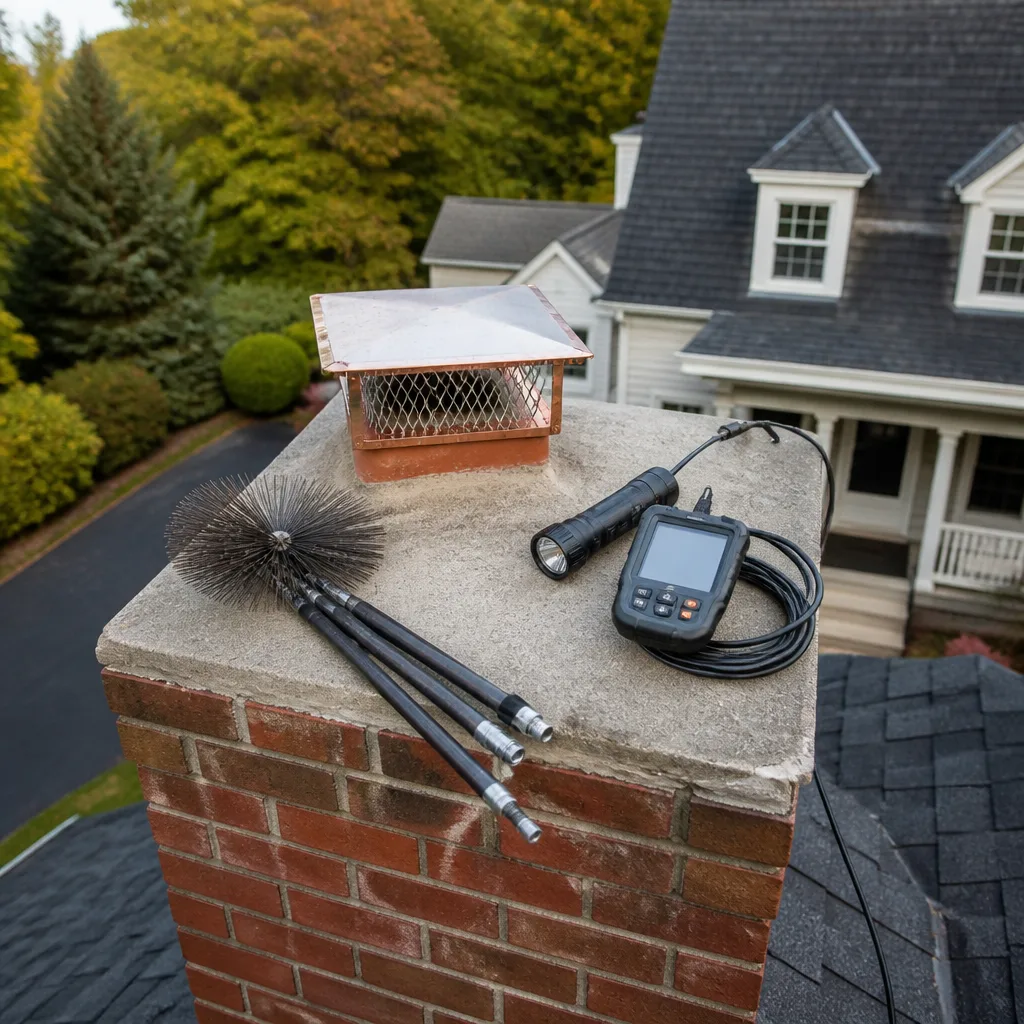 Sweep & inspection
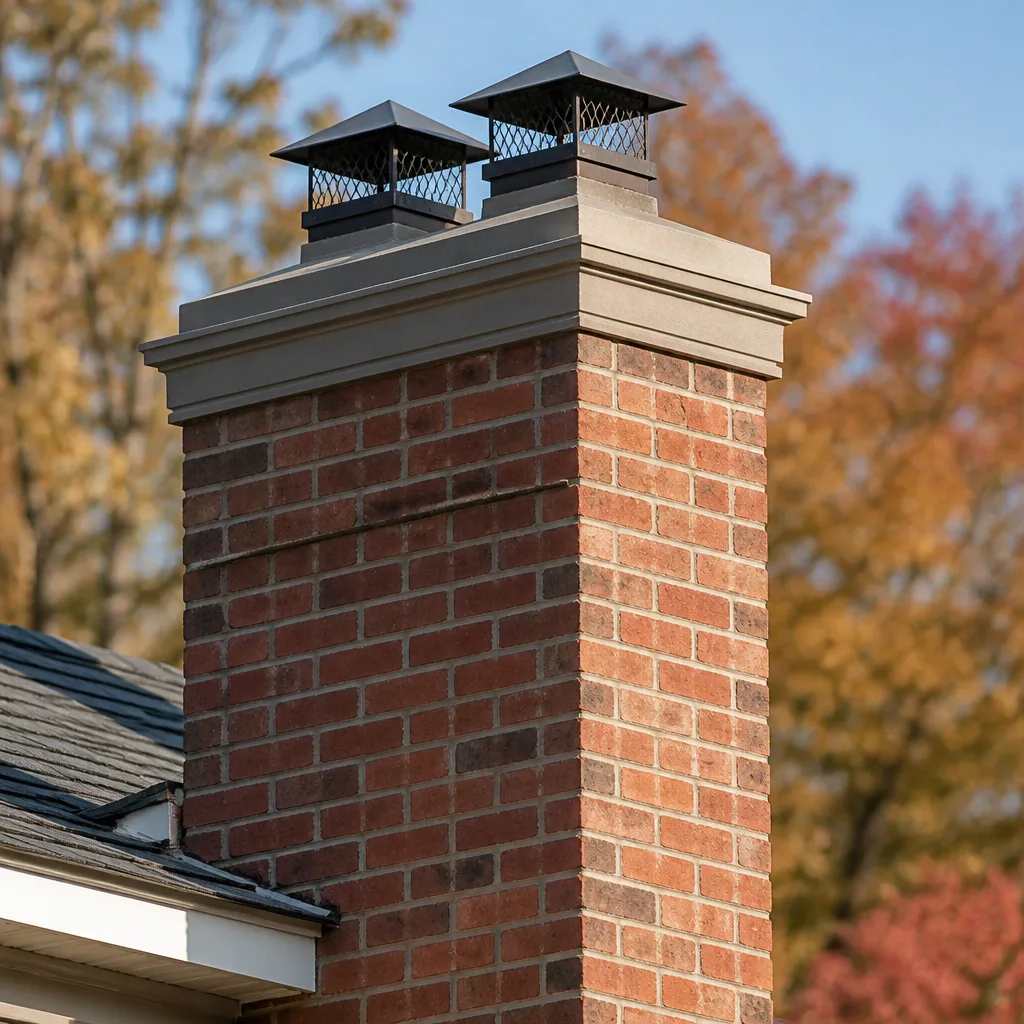 Caps & crowns
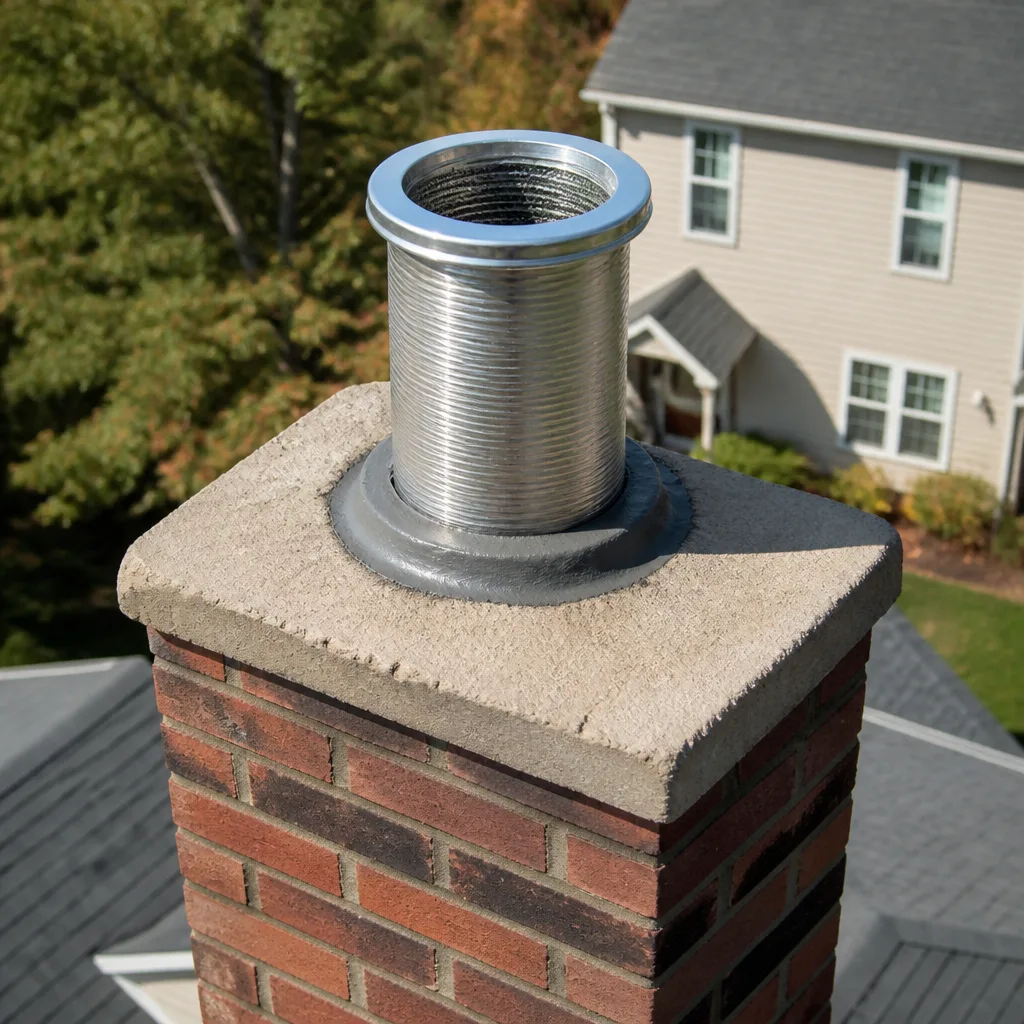 Flue relining
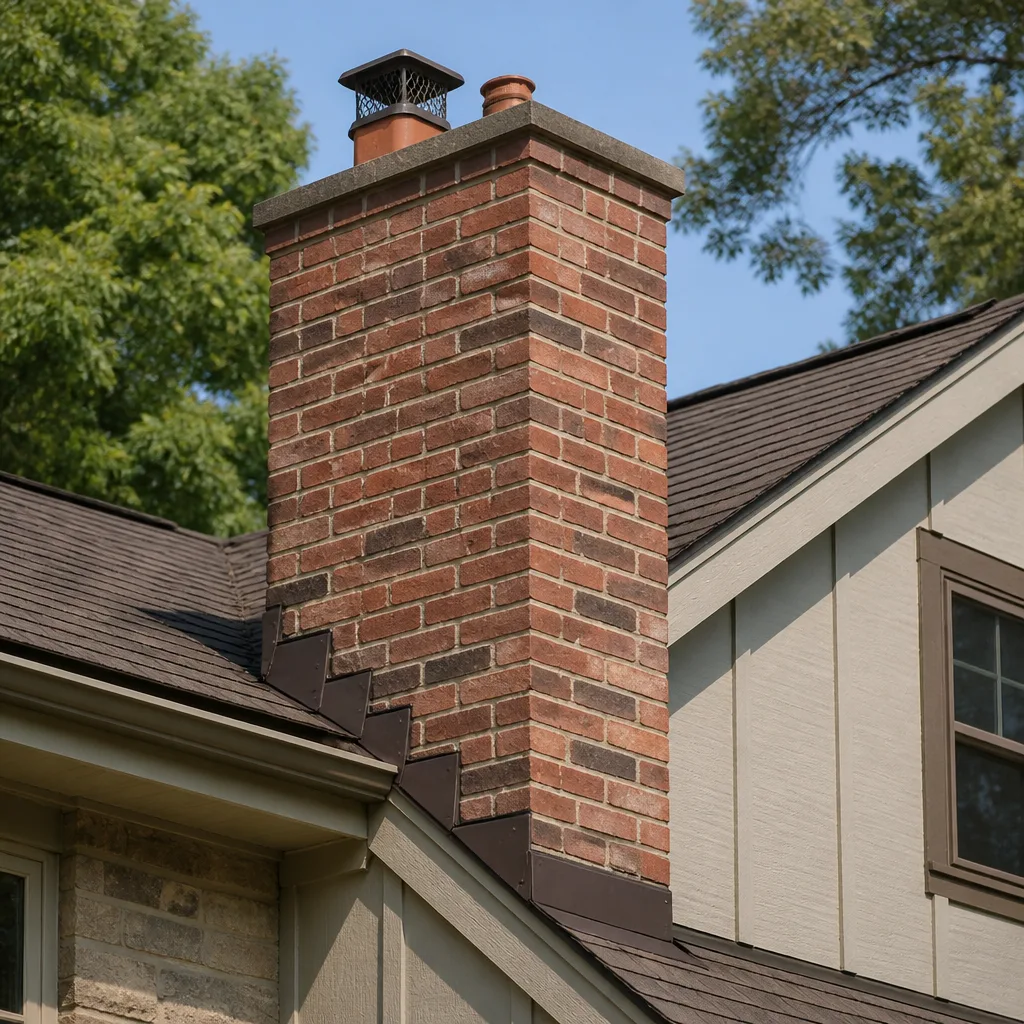 Masonry repair
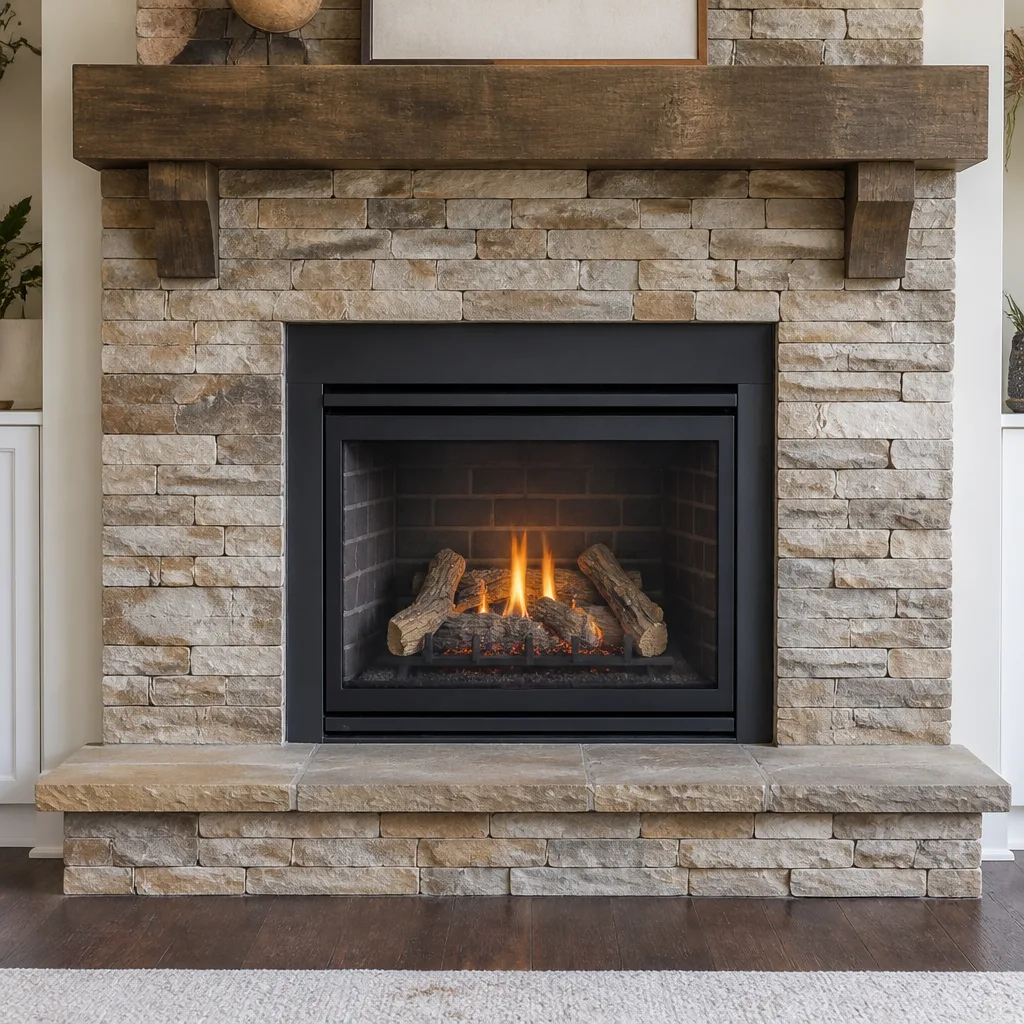 Gas fireplace service
Level 1 sweep and inspection to the NFPA 211 annual standard - flue, crown, cap, and flashing checked and photographed
Chimney sweep logs do not sweep chimneys. They loosen some creosote - which then falls where a brush and vacuum still have to collect it.
Chimney Cleaning Warning Signs: A Greeley Homeowner’s Reference Guide
A strong smoke smell in your living room during a fire isn’t always a dirty flue. It can also be a draft problem caused by your home’s weatherization, a blocked animal nest, or a deteriorating damper plate. Here’s the trap: homeowners often assume every warning sign points to the same fix, so they book a cleaning when the real problem is a cracked flue tile, or they dismiss a symptom that should have stopped them from lighting another fire. This guide reframes warning signs as a diagnostic tool. Each sign gets paired with what it most likely indicates, what it rules out, and how urgent it really is, so you can act on evidence instead of guesswork. We’ll cover what you can check yourself with a flashlight, why Greeley’s climate makes some signs seasonal, and the point at which you should stop burning and call.
Quick Answer
Most chimney warning signs fall into two groups: signs you can monitor while you book a sweep, and signs that mean stop using the fireplace now. Smoke puffing into the room, a slow-building fire, and a light soot smell often point to a dirty flue, weak draft, or a partially closed damper and usually allow normal use until your appointment. Visible cracked flue tiles, a strong acrid smell that never clears, rumbling sounds during a fire, or soot falling back into the firebox are red flags for creosote buildup, a damaged liner, or an obstruction, and those warrant stopping use until a professional inspects the chimney.
Styles & brands we work with
- Sweep & inspection
- Caps & crowns
- Flue relining
- Masonry repair
- Gas fireplace service
Table of Contents
- The Sign-to-Cause Matrix: What Each Symptom Most Likely Means
- Stop Using It vs. Schedule an Appointment: The Critical Difference
- Why Chimney Odors Intensify in Summer in Northern Colorado
- What You Can Check Yourself With a Flashlight (and What It Tells You)
- Animal Intrusion Signs Specific to Northern Colorado Wildlife
- Reading Creosote Stage From Behavior and Appearance
- What a Professional Sweep and Inspection Actually Involves
- When the Fix Is a Repair, Not a Cleaning
The Sign-to-Cause Matrix: What Each Symptom Most Likely Means
Every warning sign is a clue, and clues only help if you read them correctly. The biggest mistake we see is treating all symptoms as proof of a dirty chimney. A dirty flue is common, but so are draft problems, damper failures, and liner damage, and each has a different solution. Use the matrix below to narrow things down before you call. It won’t replace an inspection, but it will help you describe what you’re seeing and know whether to keep burning.
- Smoke smell in the living room during a fire: most likely a weak draft or negative pressure in the house, a partially closed or warped damper, or a flue that’s overdue for chimney sweep service. Least likely a structural failure, though a badly damaged liner can also cause it.
- Visible soot on the fireplace face or smoke stains above the opening: most likely poor draft or a fire that’s consistently starved of air. Least likely a blocked flue, though an obstruction can produce the same stains.
- Slow ignition and a fire that smolders: most likely wet wood, a cold flue, or a house that’s too tight for the chimney to pull. Least likely a firebox problem.
- Rumbling or roaring sounds during a fire: most likely heavy creosote igniting or a fire burning hotter than the flue can handle. This one leans urgent.
- Visible cracking in the firebox or flue tiles: most likely heat stress or moisture damage to the liner. Treat it as a stop-use sign until inspected.
- Soot falling into the firebox: most likely a heavy soot layer releasing, or an animal nest breaking apart. Needs a look before the next fire.
In Greeley, homes along the older streets near downtown tend to have original masonry chimneys that have absorbed decades of heat cycling, while newer construction on the city’s edges often has prefab systems with metal liners. The signs look similar, but the underlying causes differ. That’s why an inspection beats a phone diagnosis every time.
Stop Using It vs. Schedule an Appointment: The Critical Difference
Most chimney guides blur the line between “get this cleaned” and “don’t light another fire,” and that’s a problem. If a symptom only needs a cleaning, using the fireplace once more while you wait isn’t dangerous. If a symptom points to a compromised liner or heavy creosote, every additional fire adds risk. Sorting your sign into the right column is the single most useful thing you can do as a homeowner.
Signs that allow normal use until your appointment
- A faint smoky smell that appears only when the fire dies down
- Ordinary soot buildup on the firebox walls
- A fire that’s a little slow to catch on cold mornings
- Minor smoke spillage when you first light the fire, before the flue warms
- A damper that sticks but still opens fully with effort
Signs that mean stop using the fireplace now
- Creosote that looks glazed, shiny, or tar-like on the flue walls
- Visible cracks or gaps in the firebox bricks or flue tiles
- Rumbling, roaring, or a sound like a distant train during a fire
- Smoke that pours steadily into the room no matter how the fire is built
- Loose or crumbling mortar inside the firebox
- Soot falling into the firebox in quantity during a burn
- A strong chemical or acrid smell that lingers even when there’s no fire
The reasoning is simple. Creosote in its glazed form can ignite, and a fire inside the flue is far harder to control than one in the firebox. A cracked flue tile lets heat and gases reach the structure around the chimney. Neither is a situation to test with “just one more fire.” When in doubt, stop using it and get it looked at. A professional inspection costs far less than damage to your chimney or home, and in Greeley, our team treats the stop-use signs as a priority.
Why Chimney Odors Intensify in Summer in Northern Colorado
A chimney that smelled fine all winter suddenly reeks in July. Homeowners often assume something died in the flue, and sometimes they’re right, but usually the cause is simpler and tied to the season. During the heating months, the chimney is warm and the house is pulling air up and out of it constantly. In summer, the chimney goes cold and still, and the direction of airflow reverses. Whatever residue is sitting on the flue walls, whether soot, creosote, or a light ash film, starts releasing odor into the house instead of out of it.
Northern Colorado’s summer weather works against you here. The Front Range gets warm, dry days followed by cool nights, and that temperature swing is exactly what pushes chimney odors back into living spaces. Greeley sits right in that pattern. The odor is strongest on still, humid mornings and after a cool night, when the house is cooler than the outside air.
Here’s the diagnostic value: the strength and character of the smell tells you something about the creosote stage. A faint, dusty, campfire smell usually means an ordinary soot layer that a cleaning will clear. A sharp, acrid smell that makes your eyes water often points to a heavier creosote layer, and a tar-like smell suggests glazed creosote that’s moved past the stage where a standard sweep fully removes it. If the odor is intense and you also find black flakes on your hearth, treat the chimney as overdue. If the smell carries a dead-animal note, look at the animal intrusion section below.
It’s worth checking one thing yourself before assuming the worst. Open the damper fully and look up with a flashlight. If you see a clear flue with an even soot coating, you’re likely dealing with a normal summer odor. If you see something shiny or tar-like, or a blockage, that’s your answer. Early fall is a sensible time to book a cleaning for a Greeley home, so the flue is clean and ready before the first cold evening.
What You Can Check Yourself With a Flashlight (and What It Tells You)
You don’t need to climb a ladder to gather useful information. A bright flashlight and a little careful observation from the fireplace opening will tell you a lot about your chimney’s condition and help a technician know exactly what to look for. Stay at floor level. Don’t reach up into the flue, don’t remove the damper, and don’t try to clean anything yourself. The goal is observation, not repair.
- Open the damper fully and shine the light up the flue. Look for a clear path with an even coating of soot. If you see something blocking the way, note it and stop using the chimney.
- Look at the flue walls for texture. Dry, sooty surfaces are normal. Shiny, glazed, or thick crusted surfaces indicate heavier creosote that needs professional removal.
- Check the firebox bricks and mortar. Look for cracks, gaps, or crumbling mortar joints. Even a small crack can let heat into the chimney structure.
- Inspect the damper plate. It should open flat and close cleanly. A warped or rusted plate is a frequent cause of smoke spillage.
- Look for signs of an animal. Feathers, fur, twigs, or nesting material on the smoke shelf or around the damper are strong indicators.
- Check for soot staining above the opening. Smoke stains on the fireplace face tell you smoke has been escaping into the room.
One caveat that matters in our experience: a flashlight shows you the bottom few feet of the flue, not the whole length. Problems higher up, like a damaged flue tile near the top or a cap issue, won’t show in this check. That’s where a camera inspection adds real value. It lets a technician show you the problem on a screen so you can see it yourself instead of taking our word for it.
Animal Intrusion Signs Specific to Northern Colorado Wildlife
An animal in the chimney creates a different kind of service need depending on the species. Each animal leaves different evidence and blocks the flue in different ways, and each one calls for a specific approach. A general cleaning won’t solve a nest problem, and pulling out a nest without inspecting the flue afterward can leave damage behind. Here’s how to read the signs.
Starlings
Starlings are cavity nesters, and an uncapped chimney looks like a good home to them. Their nests are built from twigs, grass, and feathers packed together tight. The tell is a scratchy, rustling sound in the flue and a fast buildup of nesting material. These nests block the flue quickly, and they also carry mites and debris that can end up in your firebox. Removing them typically means a full sweep and a look up the flue afterward, plus a cap to prevent a repeat.
Squirrels
Squirrels are the classic chimney intruder in Greeley’s neighborhoods, especially where mature trees overhang rooflines. Their nests are looser than a starling’s, and they often drop debris steadily. The tell is scratching, rustling, and sometimes a strong musty smell. Squirrels can get trapped and die in the flue, which is why the smell matters. That’s a stop-use sign until the animal is out and the flue is cleaned and checked.
Raccoons
Raccoons are heavier and can damage the chimney’s own components. Their droppings also carry their own health concerns, so this isn’t a do-it-yourself problem. The sign of a raccoon is a heavier scratching sound, sometimes at the damper level, and damage to the cap or screen. A raccoon may also have lodged against the damper, effectively blocking the flue. Treat this as urgent, stop using the fireplace, and have the flue cleared and inspected.
The common thread is the cap. Every one of these problems gets easier and less frequent when the chimney is properly capped. Our technicians fit caps and covers from brands such as Famco and Olympia Chimney, matched to the flue and the wildlife pressure around your home. If you’ve had an intruder once, a cap should be part of the fix.
Reading Creosote Stage From Behavior and Appearance
Creosote is the main reason chimneys need cleaning, and it doesn’t just build up evenly. It develops in stages, and each stage needs a different level of service. Knowing roughly where your chimney sits helps you understand why a sweep may or may not be enough and why a technician might recommend a more involved treatment.
- Stage 1: soot and light flake. A thin, dry, powdery layer. A routine sweep clears this. This is the stage you want to catch.
- Stage 2: hardened crust. Flaky and ridged, often with a glossy patch. A standard sweep removes most of it, but some spots may need a rotary brush.
- Stage 3: glazed creosote. Shiny, hardened, tar-like, and difficult to remove. Standard sweeping won’t cut it. This stage is why we use specialized tools and, when appropriate, restorative treatments like HeatShield, a formulation that’s applied to rebuild and repair a flue surface rather than simply reline the chimney. It’s a less invasive option than full relining for some damaged flues, and our technicians can tell you whether your chimney is a candidate.
Stage 3 is also where the risk climbs. Glazed creosote is the form most closely associated with chimney fires, so it’s the stage where “schedule the cleaning” becomes “stop using the fireplace.” A fire built in a flue coated with glazed creosote can ignite the coating, and that’s the fire that’s hardest to put out. Our technicians have up to 13 years of experience reading creosote stages, and they’ll show you what they find using a camera inspection so you can make a decision based on what’s actually in your flue.
In Greeley, homes that burn seasoned wood in a well-maintained fireplace tend to stay in stage 1 or 2. Homes that burn unseasoned wood, or that run the fire low and slow, build stage 3 faster. The wood you burn and how you burn it matter as much as how often you sweep.
What a Professional Sweep and Inspection Actually Involves
A good chimney sweep is a diagnostic appointment, not just a cleaning. Before any brushing begins, the technician should look at the firebox, the damper, the smoke shelf, and the flue, ideally with a camera. That first look determines what needs doing. Then the actual work follows a predictable sequence.
- Pre-inspection. The technician checks the firebox, damper, and flue, and notes anything unusual.
- Camera inspection. A camera run down the flue lets the technician see the full length, including the upper tiles that a flashlight can’t reach.
- Protection. The work area is covered to keep soot out of your home.
- The sweep. Brushes and rods sized to the flue clear soot and creosote. Stubborn stage 2 and stage 3 deposits may need rotary tools.
- Debris removal. Soot and creosote are collected and removed, not left in the firebox.
- Post-inspection and report. The technician checks the flue again, looks at the cap and crown, and shows you photos of anything that needs attention.
This is where a dedicated chimney repair specialist is different from a general handyman. We work in chimneys only, from inspection through repair to relining. If the camera shows a damaged flue tile or a failing joint, the person who found it is the same specialist who can fix it. There’s no handoff to a third party who never saw the problem. And we source liner and venting materials from recognized brands such as DuraFlex and Copperfield, so the fix is matched to your chimney type rather than to whatever is on hand.
When the Fix Is a Repair, Not a Cleaning
Some warning signs are cleaning problems. Some are repair problems. The signs that fall into repair territory share a common theme: the chimney’s structure or components are damaged, and no amount of brushing will fix that. A clean flue with a cracked tile is still an unsafe flue.
The repair-side signs include:
- Visible cracks or gaps in firebox bricks or mortar
- Cracked or spalling flue tiles
- A damper that won’t seal or won’t open flat
- A chimney cap that’s missing, damaged, or loose
- Water staining or efflorescence on the chimney’s exterior
- Crumbling mortar at the crown
When a repair is needed, the right fix depends on the chimney and the damage. A damaged damper or cap is a component replacement, and we fit those from brands like Famco and Olympia Chimney. A damaged flue tile can sometimes be restored with the HeatShield system rather than fully relined. When relining is the right answer, we install DuraFlex flexible liner systems for retrofits and replacements, matched to the chimney’s size and the appliance. The point is that the fix is chosen from evidence, not assumed before the inspection.
In Greeley, where homes along the city’s older blocks have masonry chimneys that have seen many heating seasons, we see a fair share of damaged flue tiles and worn dampers. The good news is that most of these are correctable, and the camera inspection means you can see the damage for yourself before anything is recommended. Call our team at (855) 632-3564 and we’ll walk you through what a sweep and inspection covers, or read more about our chimney sweep Greeley services on our main page.
Common Mistakes to Avoid
- Assuming every sign means a dirty chimney. Many symptoms point to draft problems or damaged components, and a cleaning won’t fix those. Sorting the sign before booking saves time and money.
- Treating all signs the same. Ignoring a stop-use sign like glazed creosote or a cracked tile is how small problems become expensive ones. The stop-use signs exist for a reason.
- Burning unseasoned wood to “use up” the firewood pile. Wet wood builds creosote faster than dry wood. In Greeley’s dry climate there’s no good reason not to burn seasoned wood.
- Skipping the cap. An uncapped chimney is an open invitation to starlings, squirrels, and raccoons. A cap is one of the simplest preventive steps you can take.
- Ignoring summer odor. That lingering smell in July is telling you something about creosote buildup. Waiting until fall to book a cleaning is how last-minute rushes happen.
- Letting a generalist handle a specialist job. A handyman can brush a chimney, but reading a crack in a flue tile or a stage-3 creosote layer takes a specialist. Choose someone who works in chimneys only.
- Believing a cleaning is enough after an animal intrusion. A nest removal without a follow-up inspection can leave damage and debris behind. The flue needs checking after the animal is out.
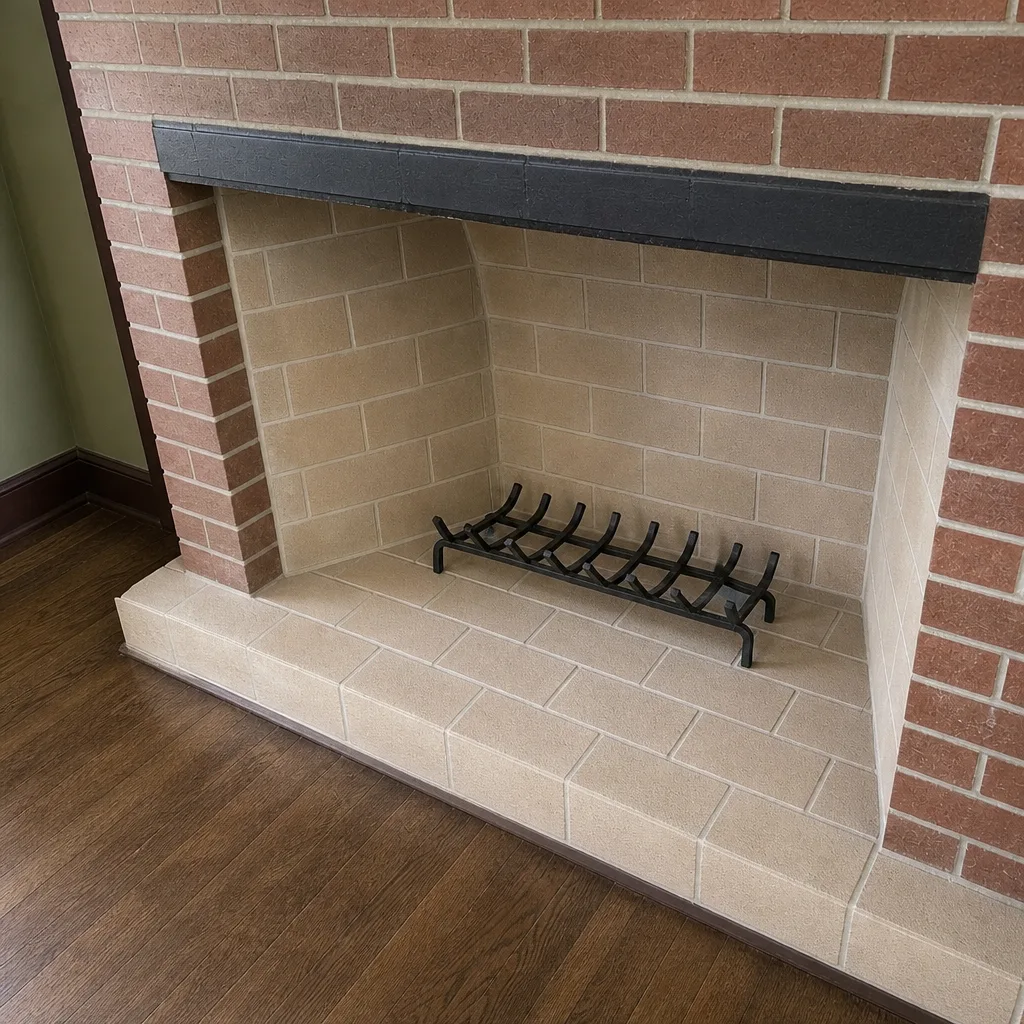
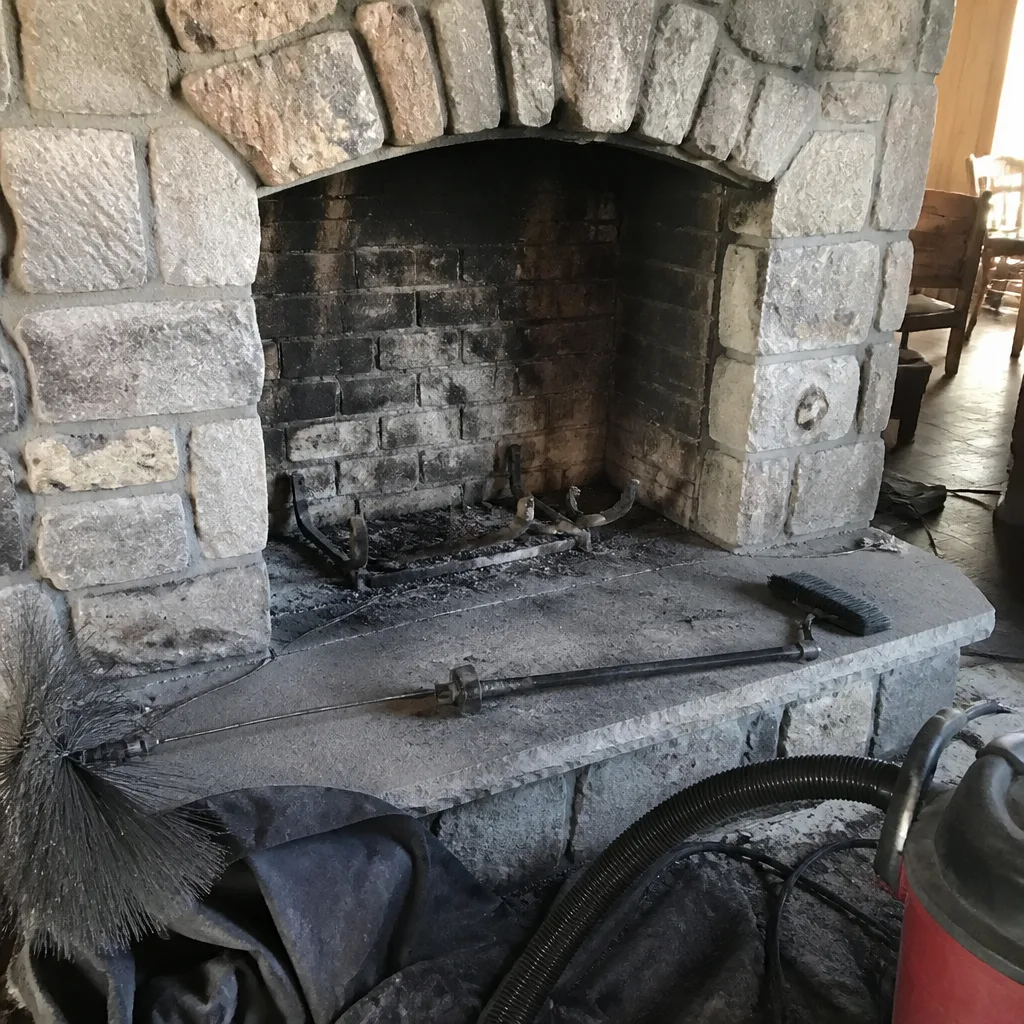
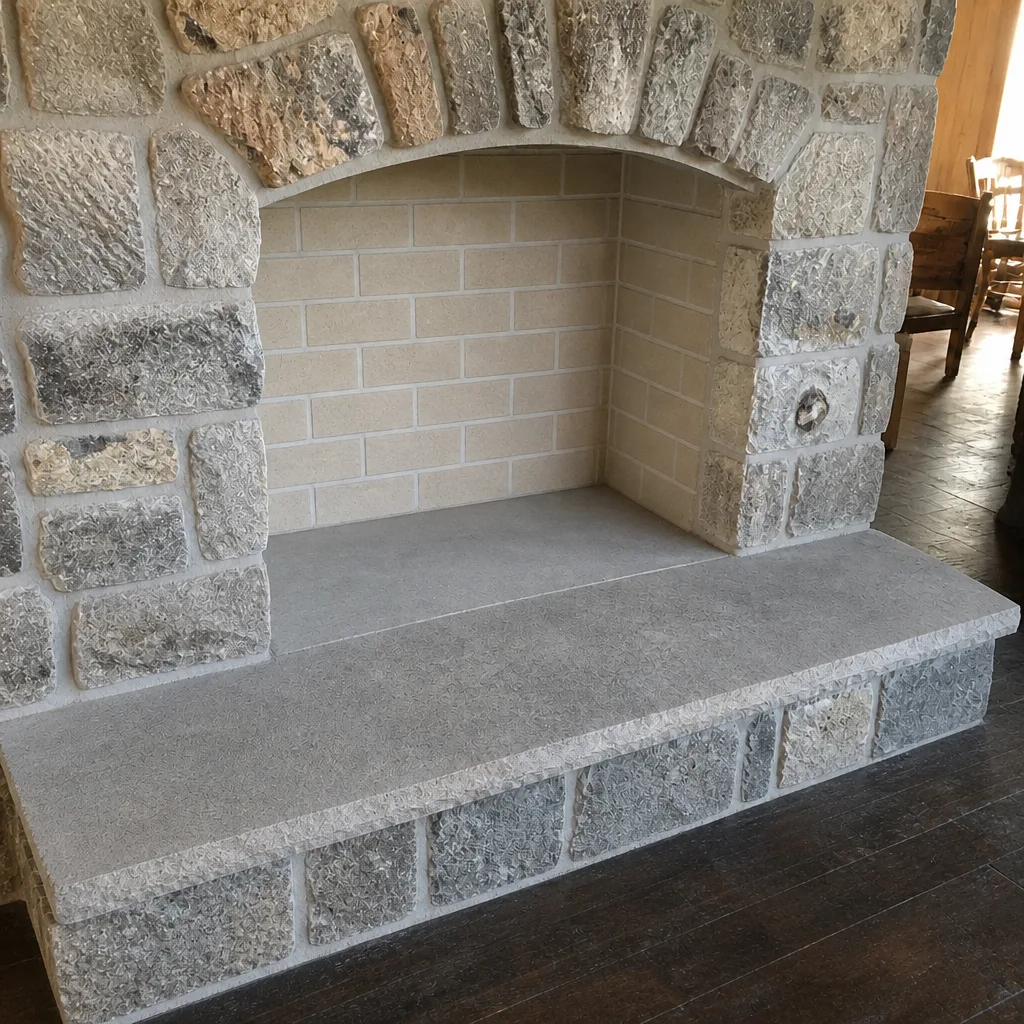
See the difference
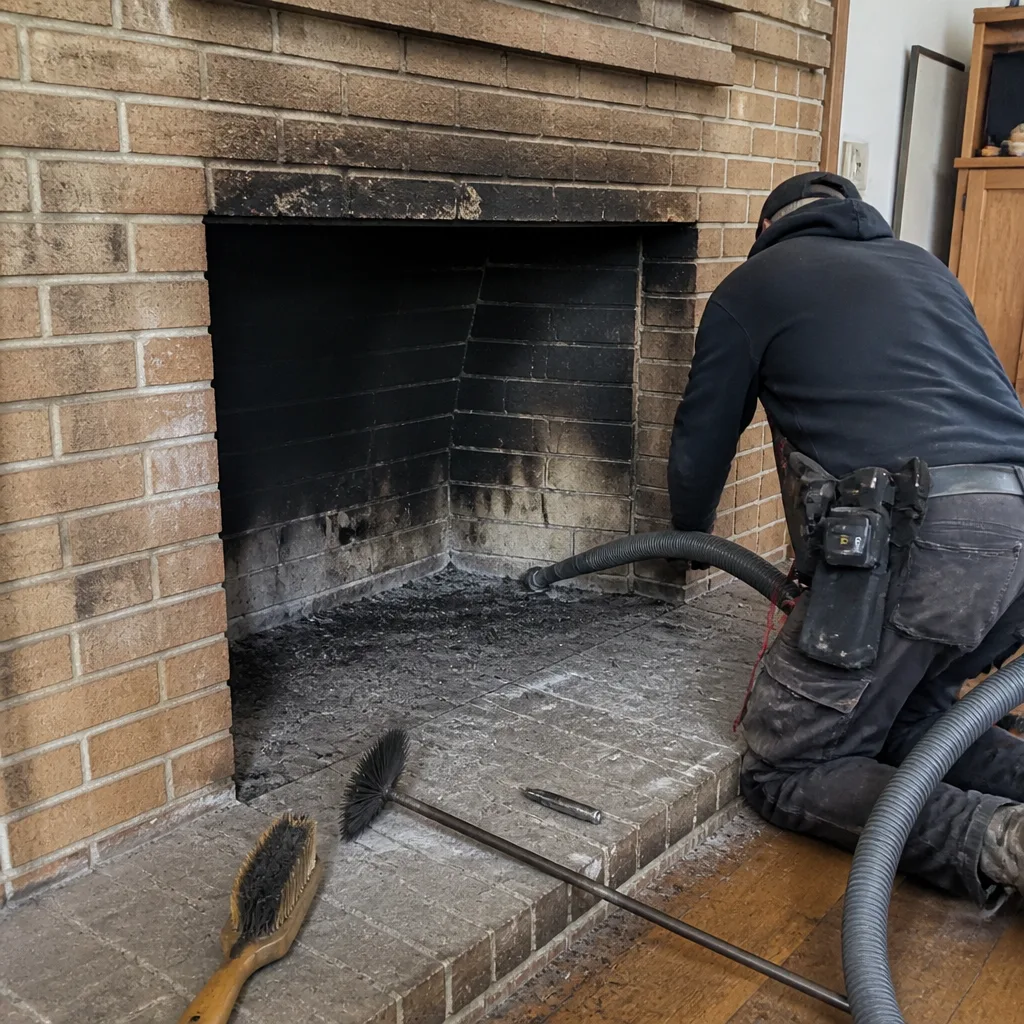 Before
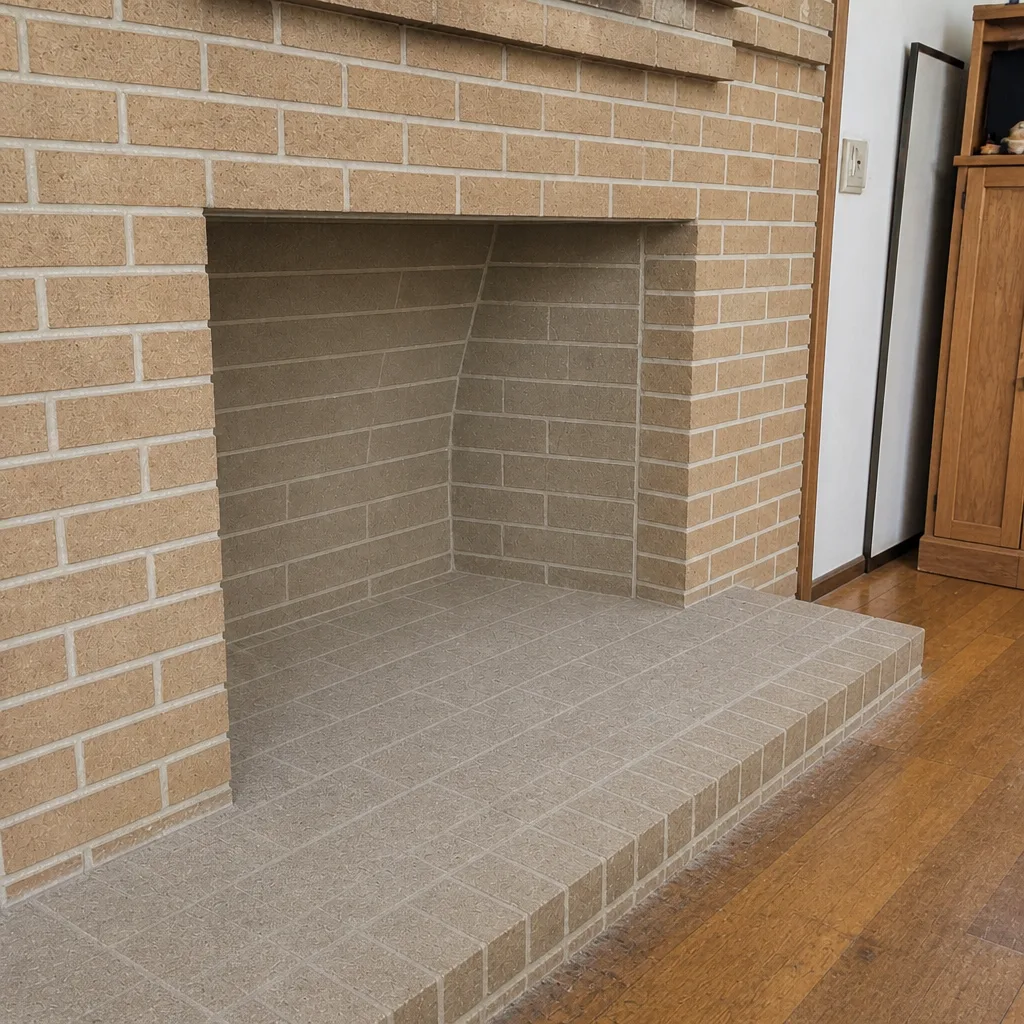 After
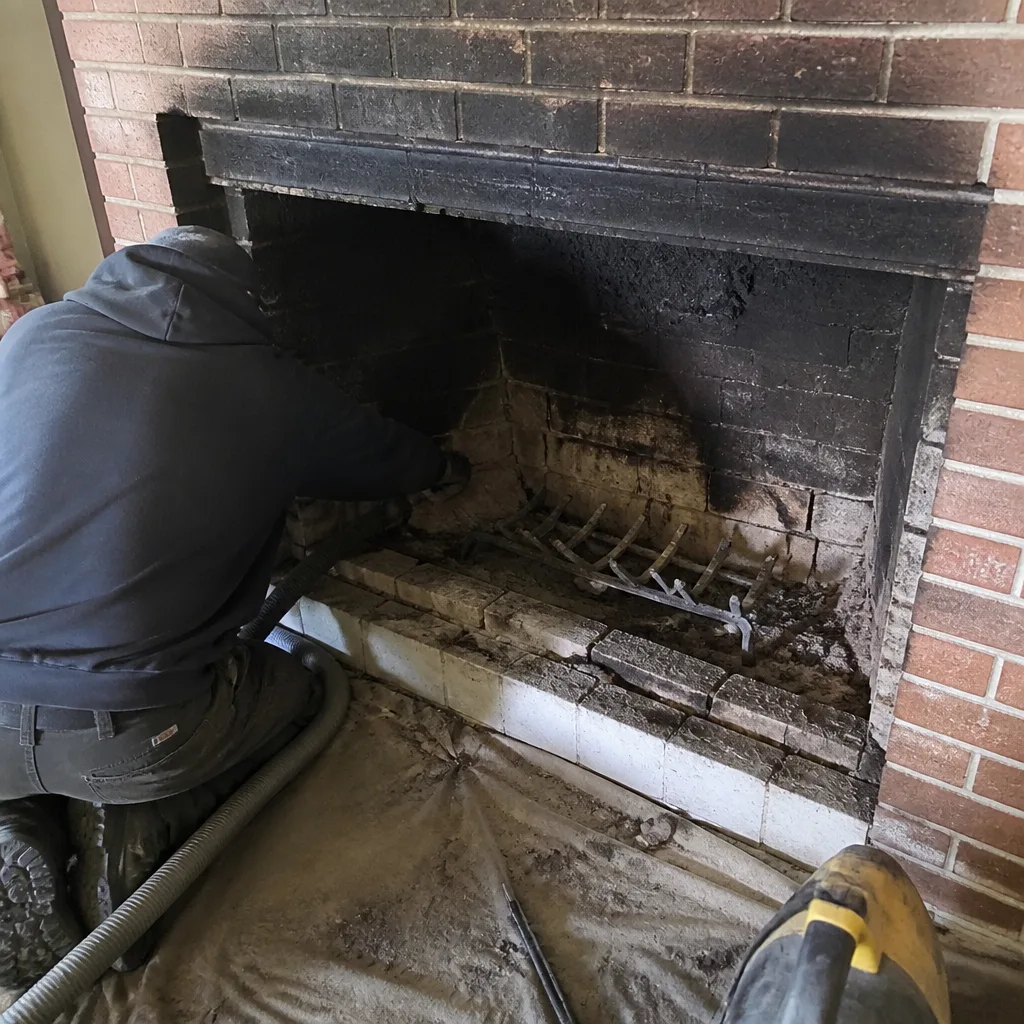 Before
 After
 Before
 After
When to Call a Professional
Call a professional when any stop-use sign appears: glazed creosote, cracked tiles, rumbling sounds during a fire, a persistent strong odor, or signs of an animal. Call when you’re not sure which category a sign falls into and want a firm answer. And call on a regular schedule if you use your fireplace heavily, because creosote builds up quietly and the camera inspection is how you catch it before it turns into a repair. In Greeley, we schedule sweeps and inspections with a flat price agreed before booking, and the camera inspection and photo report are included. Chimney Sweep Greeley offers free estimates in Greeley. Call (855) 632-3564. We answer 24/7. Fast dispatch from 7am to 7pm, Sunday through Friday.
Frequently Asked Questions
Most homeowners who burn regularly should have the chimney inspected annually and swept whenever the inspection shows buildup. The right interval depends on how much and what you burn, so an annual inspection is the safer guide than a fixed number of years. Call (855) 632-3564 for an exact quote on a sweep and inspection, and we’ll tell you what your flue actually needs.
Creosote keeps building up on the flue walls, and at stage 3 it becomes glazed and much harder to remove. It also raises the risk of a chimney fire every time you burn. The fix gets more involved the longer you wait. Call (855) 632-3564 for an exact quote and get the flue checked before your next fire.
Not always. A damaged flue tile can sometimes be repaired with the HeatShield system rather than fully relined, and a full reline is only the answer when the liner is beyond repair. The only way to know is a camera inspection that shows you the damage. Call (855) 632-3564 for a free estimate and an honest answer about what your chimney needs.
In summer the chimney is cold and still, so airflow reverses and residue on the flue walls releases odor into the house instead of up and out. Northern Colorado’s warm days and cool nights make that swing stronger. A sweep clears the residue and the smell usually goes with it. Call (855) 632-3564 for an exact quote on a summer sweep.
A small amount of spillage right at lighting, before the flue warms, can be normal, but steady smoke into the room is not. It usually points to a draft problem, a partially closed damper, or an obstruction. If it happens every fire, get it inspected. Call (855) 632-3564 for a free estimate.
Stop using the fireplace and don’t try to remove the animal or nest yourself. Different animals need different handling, and raccoon droppings in particular carry health concerns. Have the flue cleared and inspected by a professional afterward. Our team in Greeley handles this safely. Call (855) 632-3564 for an exact quote.
The Bottom Line
Chimney warning signs are most useful when you read them as a diagnostic tool rather than a cause for panic. Sort each symptom into one of two groups: the signs that let you keep burning while you book a sweep, and the signs that mean stop using the fireplace until it’s inspected. Smoke puffing and slow ignition usually point to draft and soot, while glazed creosote, cracked tiles, rumbling, and animal activity are stop-use signs. Add a proper cap, burn seasoned wood, and schedule an inspection before the heating season, and you’ll catch most problems while they’re still a cleaning. Know what’s happening inside your flue before fire season starts, and let the camera show you the truth. For a chimney sweep, chimney cleaning, or a chimney repair in Greeley, our team makes the recommendation on visible evidence. Call (855) 632-3564 for a free estimate. We answer 24/7. Fast dispatch from 7am to 7pm, Sunday through Friday.
Written by the team at Chimney Sweep Greeley.