
Last updated November 15, 2026
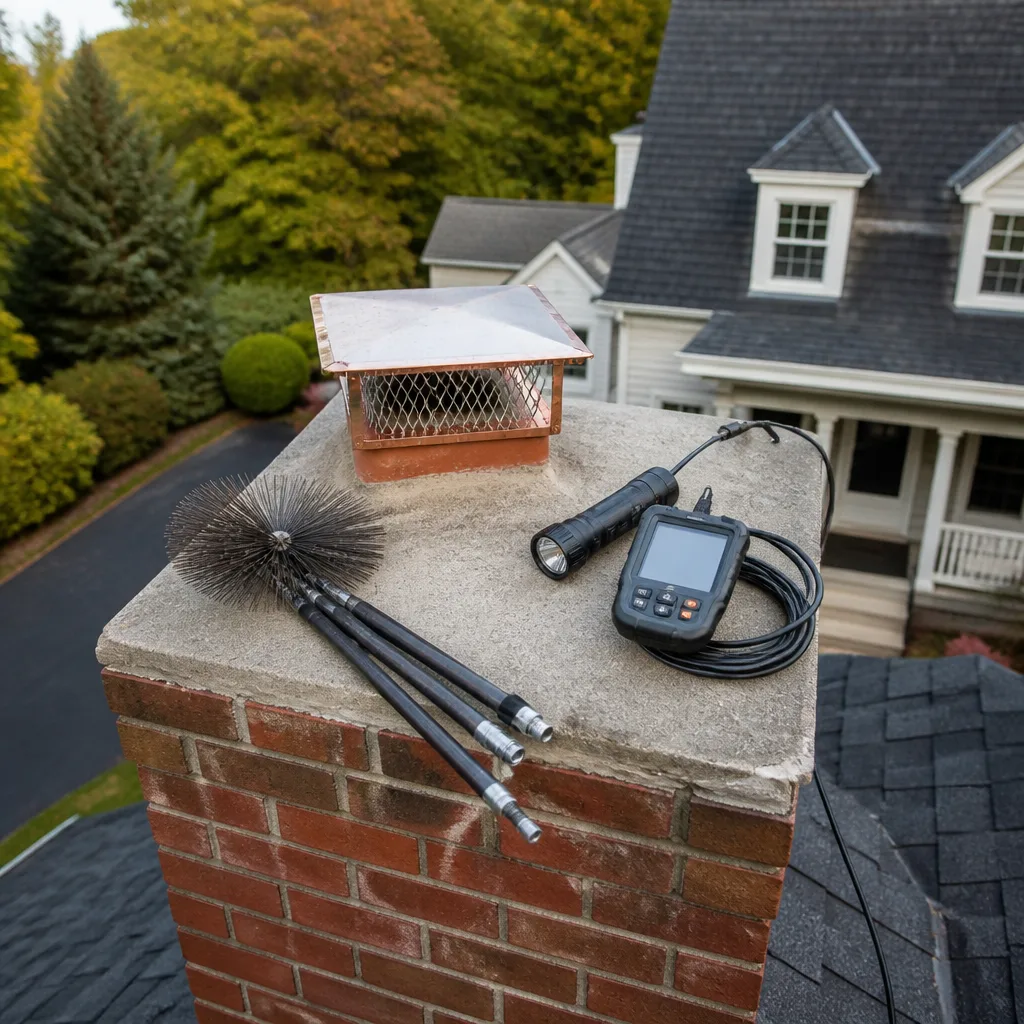 Sweep & inspection
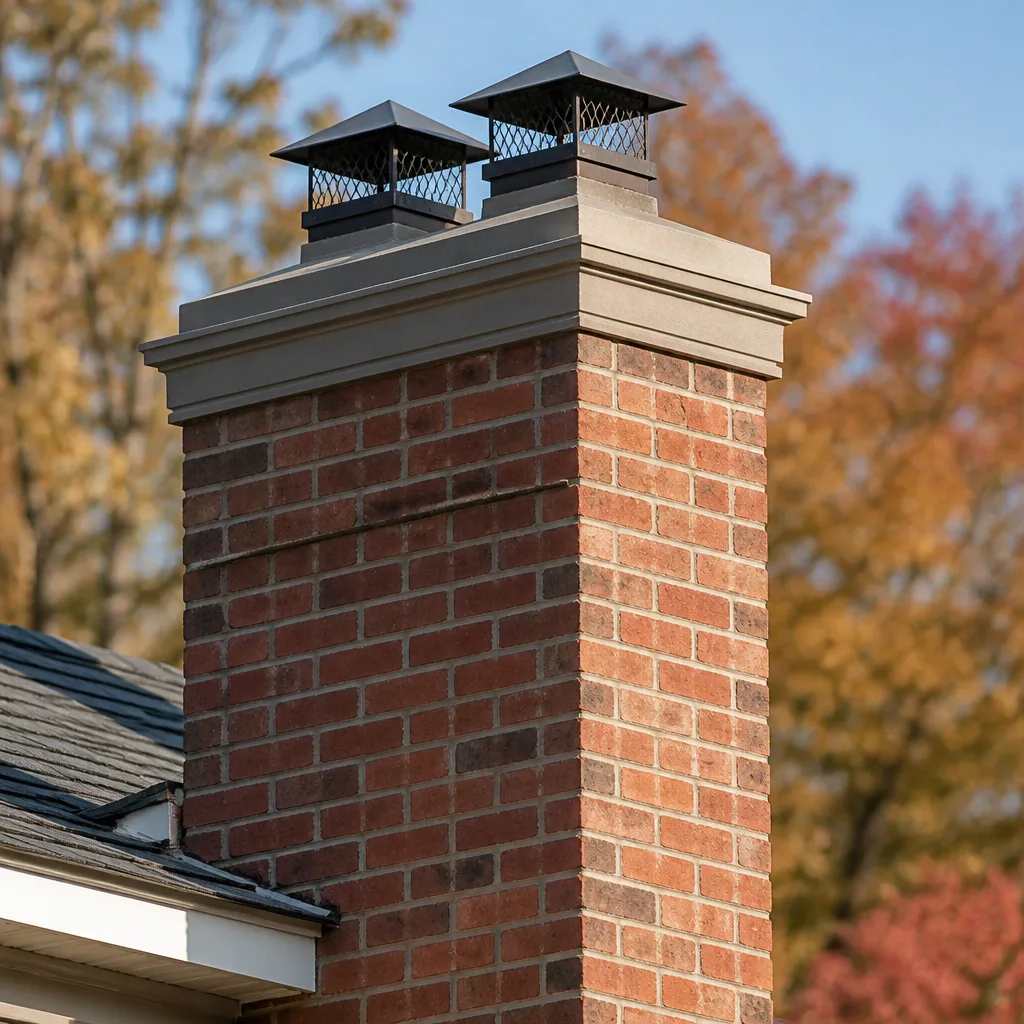 Caps & crowns
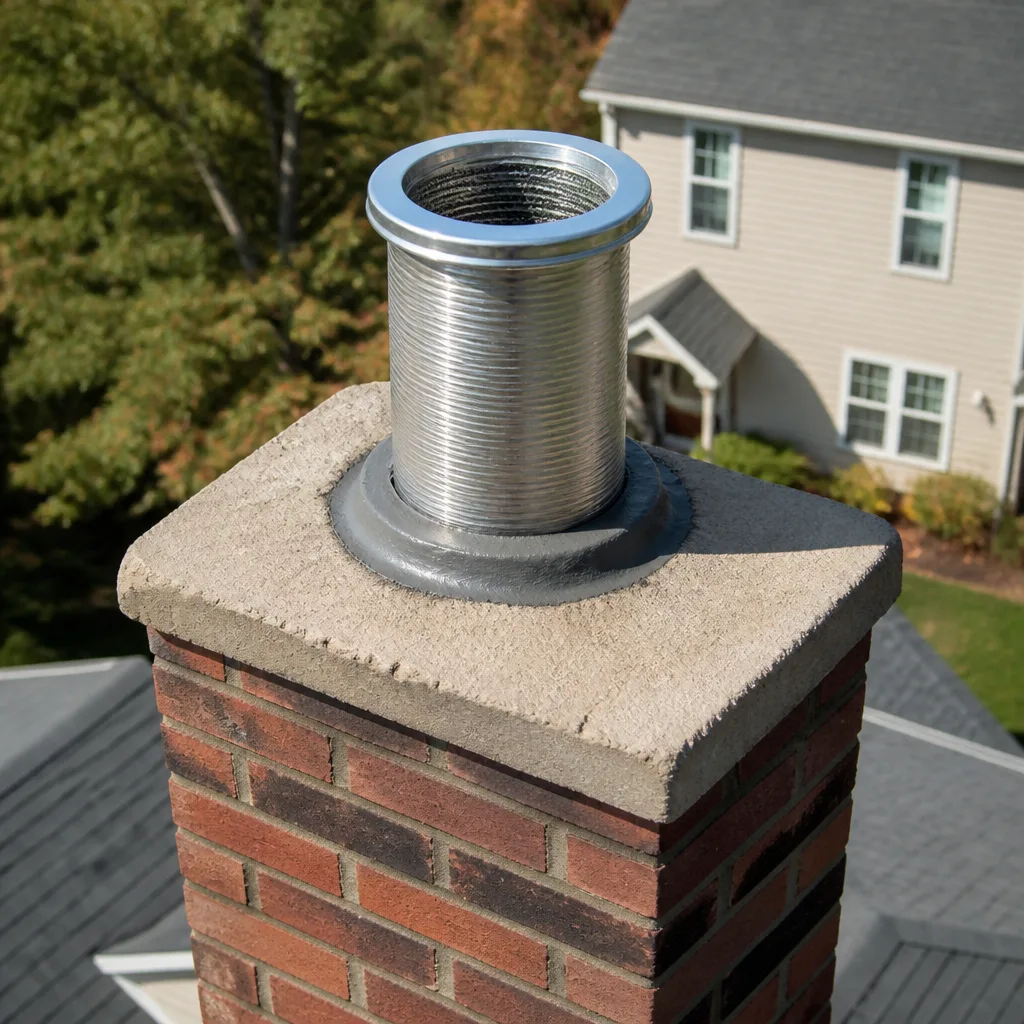 Flue relining
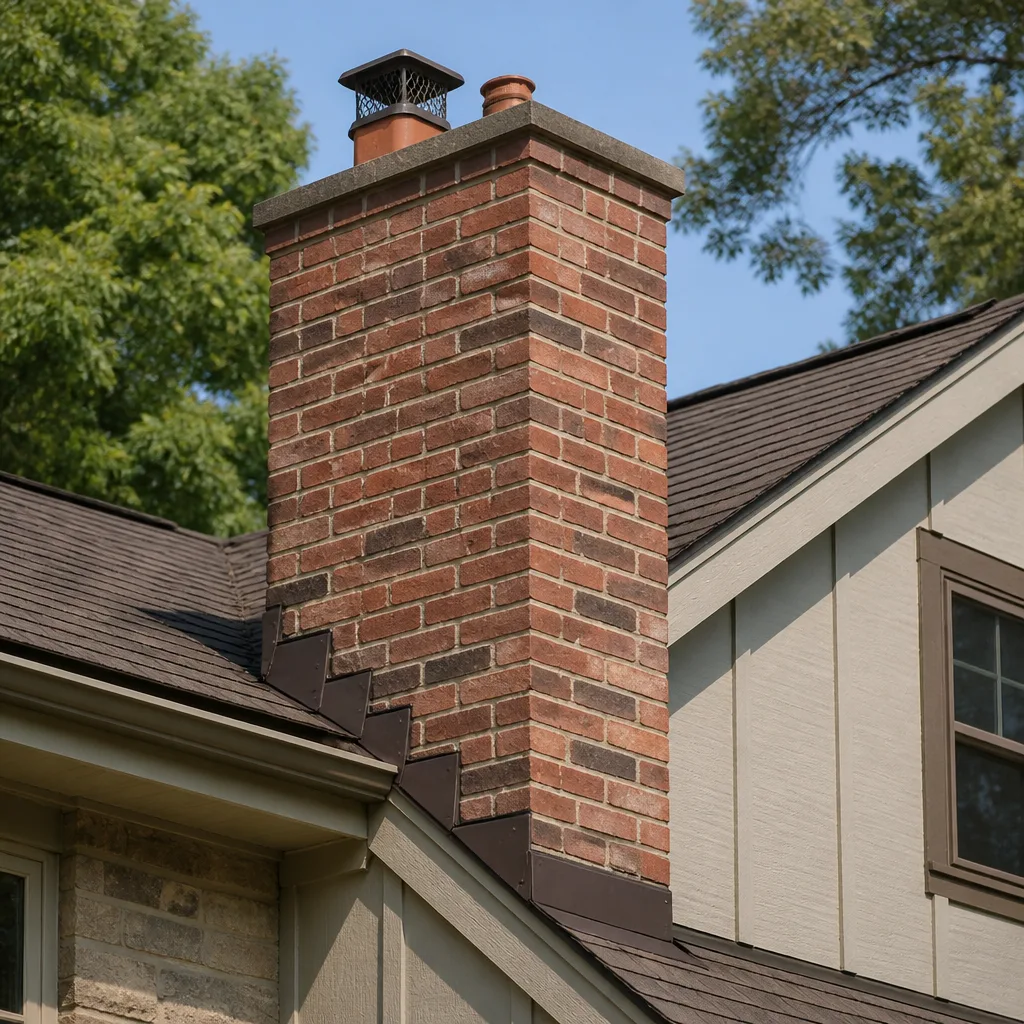 Masonry repair
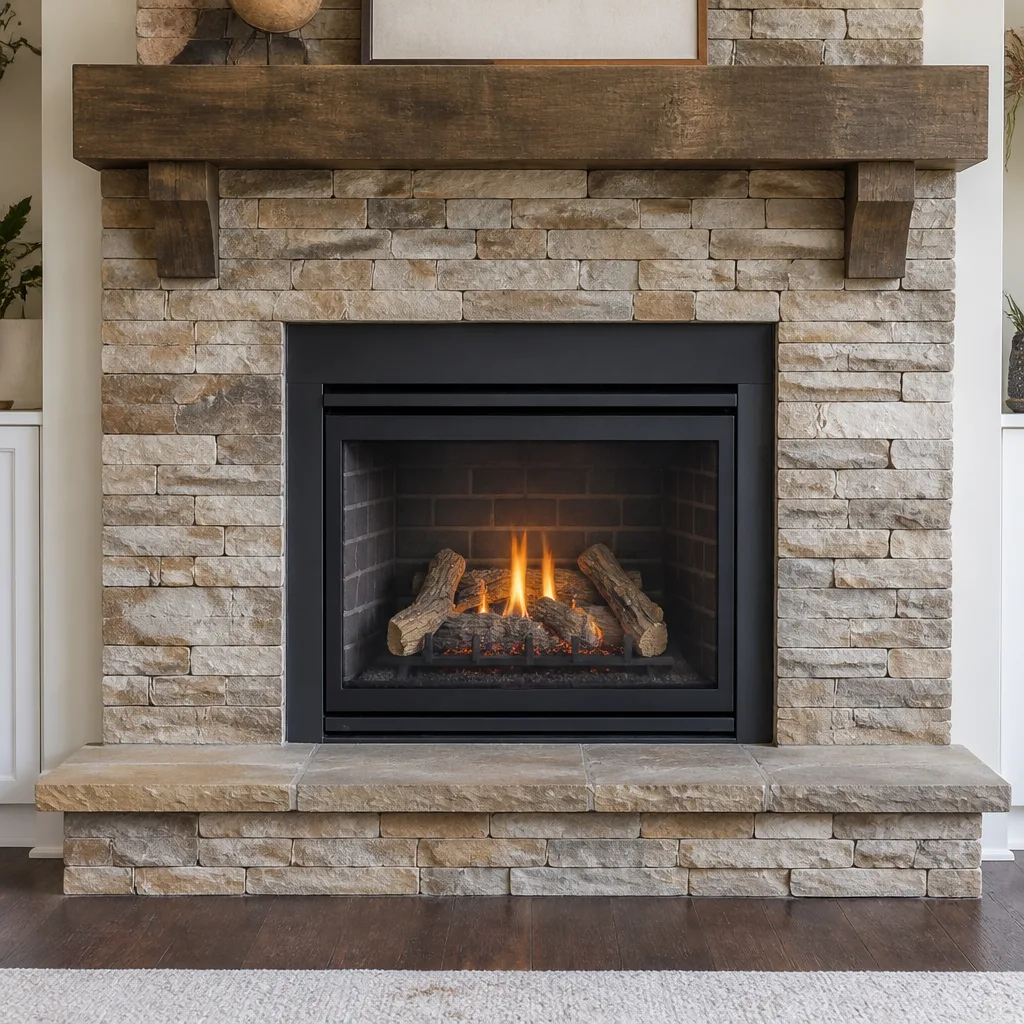 Gas fireplace service
Level 1 sweep and inspection to the NFPA 211 annual standard - flue, crown, cap, and flashing checked and photographed
Chimney sweep logs do not sweep chimneys. They loosen some creosote - which then falls where a brush and vacuum still have to collect it.
DIY vs Professional Chimney Cleaning: The Greeley Homeowner’s Decision Guide
The chimney cleaning kits sold at hardware stores are real tools. A poly brush, a set of fiberglass rods, a shop vac with a HEPA filter – none of that is a gimmick, and a careful homeowner can absolutely learn to use it. The problem isn’t the brush. It’s that most people who buy one skip the inspection step that tells them whether cleaning alone is safe, or whether they’re about to run a brush through a flue that already has a cracked liner, a separated joint, or heavy glazed creosote that brushing won’t touch. This guide lays out exactly what a correct DIY cleaning takes in Greeley, where the DIY route makes sense, where it doesn’t, and how to make the call with real numbers in front of you.
Quick Answer
Professional chimney cleaning in Greeley is the safer choice for most homeowners because a sweep includes the inspection that tells you whether your flue is sound enough to use at all – something brushing alone can’t reveal. DIY cleaning is a reasonable option only if your flue was recently inspected and confirmed in good condition, you’re removing light soot and ash rather than glazed creosote, and you have the right brush size, the right rods for your flue’s shape, and a way to contain dust inside the house. If any of those conditions isn’t true, the brush is the cheap part of the job and the inspection is the part that actually protects your home.
Styles & brands we work with
- Sweep & inspection
- Caps & crowns
- Flue relining
- Masonry repair
- Gas fireplace service
Table of Contents
- What a Proper DIY Chimney Cleaning Actually Requires
- The Inspection Gap: What Brushing Can’t Tell You
- When DIY Is a Reasonable Choice
- When Professional Service Is the Only Responsible Option
- The Honest Cost Comparison: Equipment vs Professional Service
- Greeley’s Elevation and What It Means for Brush Technique
- Creosote Stages and Why They Change the Answer
- A Step-by-Step Way to Decide
What a Proper DIY Chimney Cleaning Actually Requires
A correct DIY cleaning is a four-part job, and the brush is only one of the parts. Get any of the other three wrong and you either damage the flue or fill your living room with soot. Here’s what a complete setup looks like.
The right brush for the flue dimension. Chimney brushes are sized to the inside dimensions of the flue, not to the fireplace opening. A round flue needs a round poly brush that matches the flue’s interior diameter. A square or rectangular flue needs a square brush matched to its width and depth. An oversized brush jams and can pull liner seams apart; an undersized brush skips the corners where creosote builds first. If your flue is a rectangular masonry tile flue – common in older Greeley homes – a round brush leaves the corners untouched, and those corners are exactly where glazed creosote starts.
Rods with the right flexibility. Many chimneys, especially in the older neighborhoods around downtown Greeley, have an offset – the flue shifts sideways partway up. Rigid rods won’t make that turn. You need flexible rods that can follow the offset without kinking, and enough of them to reach the top of the flue from inside the firebox. If you’re cleaning from the roof instead, you need rods long enough to reach the smoke shelf from above and a plan for how you’ll get up there safely.
Dust containment inside the house. This is where most DIY attempts go wrong. Brushing loosens soot that will find every gap around a fireplace opening. A proper setup means sealing the opening with plastic and tape, running a HEPA vacuum at the firebox throughout the job, and covering the floor and nearby furniture. A shop vac without a HEPA filter just blows the fine dust back into the room.
A way to see what you’re doing. A flashlight at the firebox and a look up the flue tells you very little. Without a camera, you’re brushing blind – and blind brushing is how people miss the cracked tile or the heavy creosote glaze that should have stopped the job before it started. That missing visibility is the whole reason this decision matters, and it’s the subject of the next section.
The Inspection Gap: What Brushing Can’t Tell You
Here’s the part the hardware store kit doesn’t include. A chimney sweep is two jobs wearing one name: cleaning off the creosote, and inspecting the flue to confirm it’s safe to use. DIY handles the first. The second is where the actual liability lives, and it’s the reason a professional chimney sweep is more than a brush on a rod.
Three things can only be assessed with eyes on the flue, usually with a camera:
- Liner integrity. Clay tile liners crack. Metal liners separate at joints. Either failure lets heat and combustion gases reach the framing or masonry around the flue. You cannot see a cracked tile from the firebox, and you cannot feel one with a brush.
- Crown condition. The crown is the concrete cap at the top of the chimney that sheds water away from the flue. A cracked crown lets water into the chimney structure, which then freezes and expands through Greeley’s winter freeze-thaw cycles and does far more damage than the original crack. Checking the crown means getting on the roof and looking at it closely.
- Flashing. The metal where the chimney meets the roof is the most common leak point on any chimney. Failed flashing shows up as water stains on the ceiling, not as anything you’d notice from inside the firebox.
None of these are cleaning problems. They’re inspection findings, and each one changes what the right next step is. A cracked liner means the chimney shouldn’t be used until it’s repaired – and the repair might be a HeatShield restorative application rather than a full reline, which is a meaningful difference in both cost and invasiveness. A failed crown is a straightforward masonry repair. But you only find out which one you’re dealing with by looking, and a brush doesn’t look.
This is why the inspection matters more than the sweep in most homes. Cleaning removes a hazard you already know about. Inspection finds the hazard you don’t.
When DIY Is a Reasonable Choice
We’re not going to tell you DIY cleaning never makes sense. In specific, narrow circumstances it does, and a homeowner who knows their chimney is in good shape can reasonably handle a light cleaning between professional inspections. Here’s when the DIY route is defensible.
- Your flue was inspected recently and confirmed sound. If a professional has looked at the liner, crown, and flashing within the past year or two and found no problems, you’re cleaning a known-good flue. That’s the only situation where blind brushing is low-risk.
- You’re removing light soot, not glazed creosote. Soot and loose ash brush off easily. Glazed, tar-like creosote does not, and trying to force it off with a brush can damage the liner. If you don’t know which you have, that’s the inspection question.
- You’re doing a mid-season touch-up, not the annual cleaning. A light brush-down after a heavy burn season, between professional sweeps, is a reasonable DIY task for a careful homeowner with the right equipment.
- Your flue is straight and accessible. No offset, easy roof access, a flue dimension you can match with an off-the-shelf brush. The more the flue deviates from that, the more the DIY setup costs and the more that can go wrong.
- You have proper dust containment sorted out. Sealed opening, HEPA vacuum, floor protection. If you’re planning to brush without containing the dust, don’t start.
Notice what all five have in common: an inspection already happened. The DIY cleaning builds on professional knowledge rather than replacing it. That’s the honest line between “reasonable” and “risky.”
When Professional Service Is the Only Responsible Option
Some situations don’t have a DIY version that’s actually safe. If any of the following applies to your home in Greeley, book a professional sweep and don’t brush it yourself.
- Stage 2 or Stage 3 creosote. Glazed, tar-like creosote – the kind that’s baked onto the liner and shiny – doesn’t come off with a poly brush, and forcing it can crack the tile. It needs professional removal, and a professional can tell you whether the liner survived it.
- A previous chimney fire. Even a small chimney fire can crack a liner or distort a metal flue without any obvious sign from the firebox. If there’s been a fire in that chimney, the flue needs a camera inspection before anyone uses it again. This isn’t a cleaning question at all.
- A new home purchase. You don’t know the chimney’s history. The previous owner may have burned wet wood for years, may have had a fire, may have had a liner installed that’s now failing. A pre-use inspection on an unfamiliar chimney is standard practice, and the findings often change what the new owner does next.
- A gas appliance conversion. Converting a wood fireplace to gas changes the venting requirements and the inspection criteria. The flue that worked for wood isn’t automatically right for a gas insert, and getting that wrong is a carbon monoxide question, not a soot question.
- Any sign of water intrusion. Staining on the ceiling, rust on the damper, crumbling mortar in the firebox. Water damage means the chimney structure is compromised somewhere, and that needs diagnosis, not brushing.
- A flue with an offset or a difficult roof. Some chimneys are genuinely hard to clean safely from either end. A professional chimney repair or sweep visit accounts for the geometry of your specific flue; a DIY setup might not.
If you’re in one of these situations, DIY isn’t a money-saver. It’s a delay. And with a compromised liner, the delay is the risk.
The Honest Cost Comparison: Equipment vs Professional Service
This is the section most DIY guides skip, because the honest comparison doesn’t favor DIY as cleanly as it first appears. Here’s the real math, factored over the life of the equipment and the frequency of cleaning.
A correct DIY setup, bought new, runs into a few hundred dollars before you’ve cleaned anything:
- Poly brush sized to your flue: inexpensive on its own, but you need the right size, and a second brush if you have a second flue
- Flexible rods, enough to reach the top of the flue: priced by the rod, and offset flues need the flexible type
- HEPA vacuum suitable for fine soot: the largest single cost in the kit, and a standard shop vac won’t substitute
- Dust containment plastic, tape, drop cloths: consumable, so you rebuy them
- Roof access equipment if you’re cleaning top-down: not something most homeowners already own
That kit covers the cleaning. It does not cover the inspection, because the inspection requires a camera and the training to interpret what it shows. So the honest comparison isn’t “DIY kit vs professional sweep.” It’s “DIY kit plus an annual professional inspection vs professional sweep that includes the inspection.” Once you factor in the inspection you still need, the gap narrows to the cost of the cleaning labor, not the whole service.
There’s also the frequency factor. A chimney serving a wood-burning fireplace should be swept and inspected annually, or more often if you burn heavily or burn unseasoned wood. Over several years, the DIY kit pays for itself on cleaning labor – but only if you were going to get the inspections anyway. If you skip the inspections to make DIY worthwhile, you’ve saved money on the wrong part of the job.
In our experience, the homeowners who get the most value from DIY are the ones who already have a professional relationship for the annual inspection and use their own equipment for light mid-season touch-ups. The homeowners who get the least value are the ones who bought a kit to avoid the inspection entirely. That’s the wrong trade.
Greeley’s Elevation and What It Means for Brush Technique
Greeley sits at roughly 4,600 feet, and that elevation changes how a chimney drafts. Thinner air at altitude means less oxygen per cubic foot and a weaker natural draft, which is one reason Greeley homeowners sometimes notice smoke spillage on start-up or a fire that’s slow to establish. For cleaning, the altitude matters less to the draft and more to the method: at this elevation, the top-down approach is strongly preferred for most installations.
Here’s why. Top-down cleaning means working from the roof, sending the brush down the flue from above. That has three advantages in a high-altitude, inland climate like Greeley’s:
- Gravity does the work. Soot and creosote fall down the flue rather than being pushed up and into the room. Less dust escapes into the living space.
- You can see the crown and flashing while you’re up there. The two most common water-intrusion failure points are right at your feet when you clean top-down. Bottom-up cleaning never puts eyes on them.
- It avoids pushing debris past an offset. A bottom-up brush on an offset flue tends to jam or dump soot at the bend. Top-down follows the offset more cleanly.
The catch is roof safety. Working on a roof is genuinely dangerous, and Greeley’s freeze-thaw winters mean roofing surfaces can be icy or brittle well into the season. If you’re not confident on a roof, bottom-up cleaning is the only safe option, and bottom-up cleaning in a home with an offset flue is exactly the situation where the DIY setup struggles and a professional sweep makes more sense. Greeley‘s climate also means you want the cleaning done before the heating season, not in the middle of it – the flue is safer to work on and the findings give you time to schedule any repair before you need the fireplace.
Creosote Stages and Why They Change the Answer
Creosote is the residue of incomplete combustion, and it comes in three forms. Which form is in your flue determines whether DIY is reasonable or off the table, which is why the inspection matters so much.
- Stage 1: soot and light flaky creosote. Brushes off easily with the right poly brush. This is the stage where DIY cleaning is defensible, provided the flue has been inspected and found sound.
- Stage 2: hardened, crusty creosote. Baked onto the liner surface. A poly brush skips over it. Removing it needs a metal brush, more force, and often a chemical treatment – and the force risks damaging a clay tile liner. This is professional territory.
- Stage 3: glazed, tar-like creosote. Shiny, hard, and fuel-rich. Brushing doesn’t remove it; it can ignite it. Stage 3 creosote is a chimney fire waiting for a hot enough burn, and it needs professional removal before the chimney is used again.
You cannot reliably tell Stage 1 from Stage 2 or 3 by looking up from the firebox. Stage 1 is visible as soot; Stage 2 and 3 look like the inside of the flue has been coated in something dark and hard, which is exactly what you can’t see without a camera. A professional sweep uses a camera to identify the stage and confirm the liner survived whatever produced it. If the creosote is Stage 2 or 3, the visit may reveal liner damage that needs a repair – and that repair might be a HeatShield restorative application to the existing liner rather than a full replacement, which is worth knowing before you assume the worst.
This is the single clearest argument for professional inspection over DIY cleaning. The brush doesn’t know what it’s brushing. A camera does.
A Step-by-Step Way to Decide
If you’re still on the fence, work through this in order. The first “no” tells you your answer.
- Has the flue been inspected in the past year or two? If no, book an inspection first. Everything else depends on this answer.
- Did the inspection find any liner, crown, or flashing problems? If yes, the repair comes before any cleaning, and the professional who inspected it is the one to do the work.
- Do you know which creosote stage you have? If it’s Stage 2 or 3, professional removal is the only responsible option.
- Is the flue straight, accessible, and a size you can match with an off-the-shelf brush? If not, a DIY setup gets expensive and difficult fast.
- Can you contain the dust without spreading soot through the house? Sealed opening, HEPA vacuum, floor protection. If not, don’t start.
- Are you comfortable on the roof, or is bottom-up cleaning safe for your flue? Roof work in Greeley winters isn’t for everyone, and bottom-up cleaning on an offset flue is difficult.
- Are you going to keep up the annual inspection regardless? If yes, DIY cleaning between inspections is a reasonable way to extend the interval. If no, the DIY saving isn’t real.
The pattern is clear. DIY cleaning is a supplement to professional inspection, not a replacement for it. When homeowners treat it that way, it works well. When they treat it as a way to avoid the inspection, that’s where the problems start.
Common Mistakes to Avoid
- Buying the brush before the inspection. The kit is the cheap part. If you buy it before you know the flue is sound, you may be brushing a liner that shouldn’t be brushed.
- Using a round brush in a square flue. Common in older Greeley homes with rectangular masonry flues. The brush skips the corners, which is exactly where glazed creosote accumulates.
- Skipping dust containment. A standard shop vac without a HEPA filter spreads fine soot through the house. Seal the opening and use the right vacuum, or don’t start.
- Brushing through Stage 2 or 3 creosote. Forcing a poly brush through hardened or glazed creosote can crack a clay tile liner, turning a cleaning job into a reline.
- Cleaning bottom-up on an offset flue. The brush jams or dumps soot at the bend. Top-down is the right method when the roof is safe, and an offset flue is not a DIY-friendly flue.
- Cleaning after the heating season instead of before. In Greeley, the cleaning should happen before the first serious cold snap, not after the season ends. You want the findings in time to schedule a repair before you need the fireplace.
- Cleaning after a chimney fire without an inspection. A fire can crack a liner with no obvious sign. If there’s been a fire, the flue needs a camera inspection before anyone uses it again, DIY or professional.
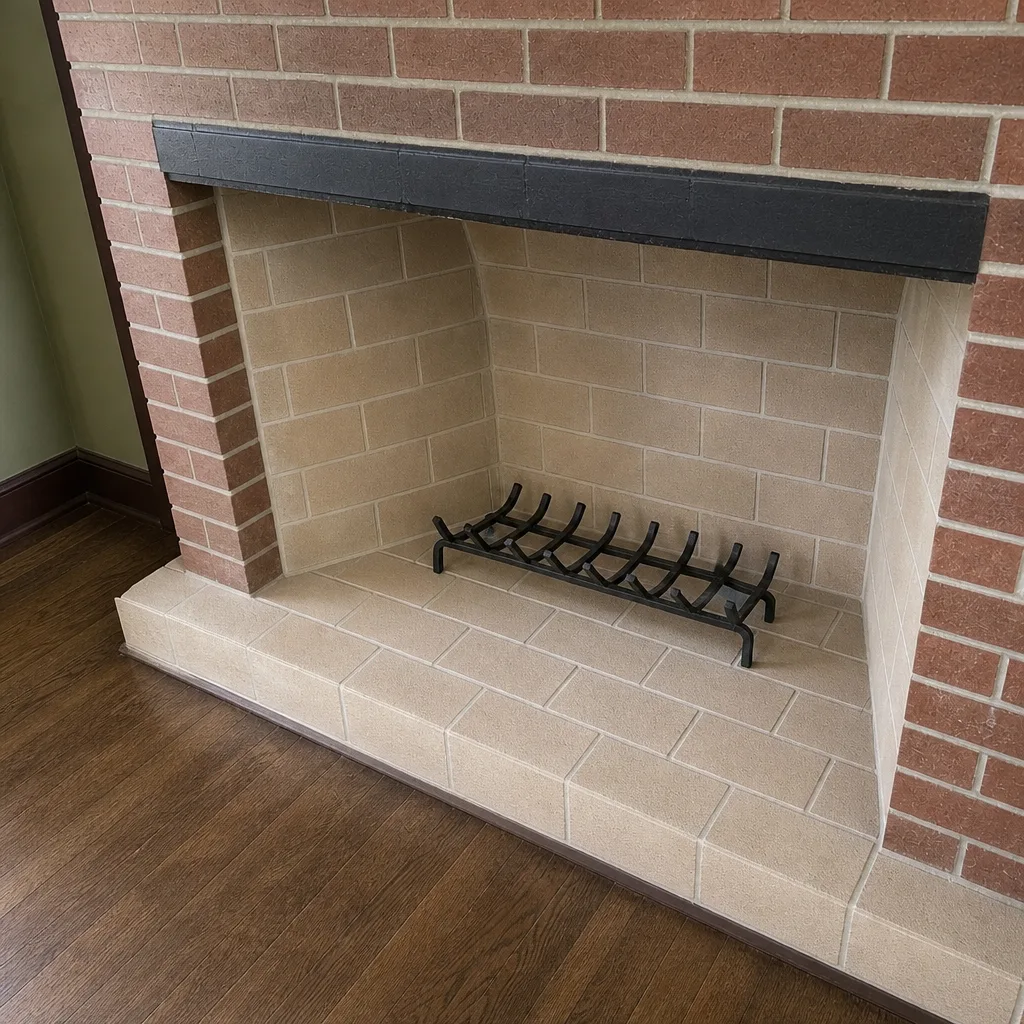
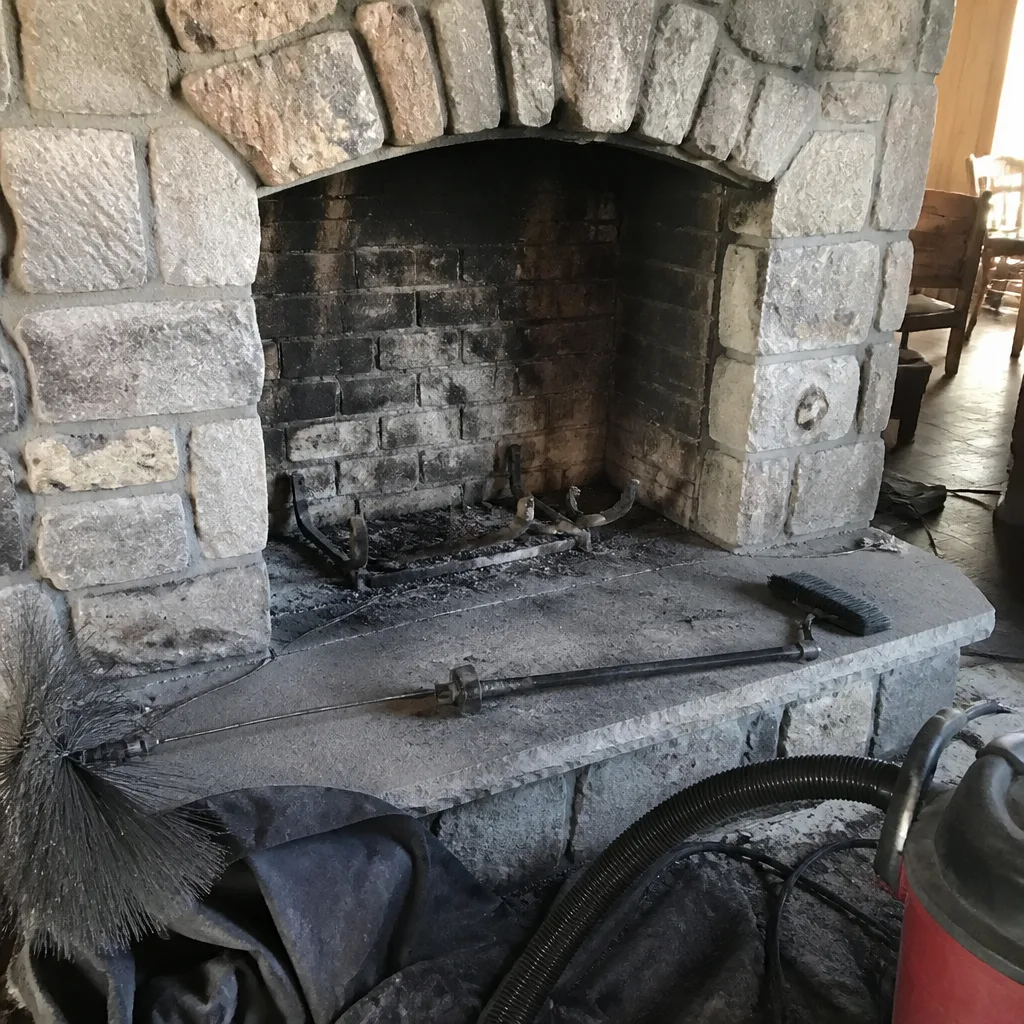
See the difference
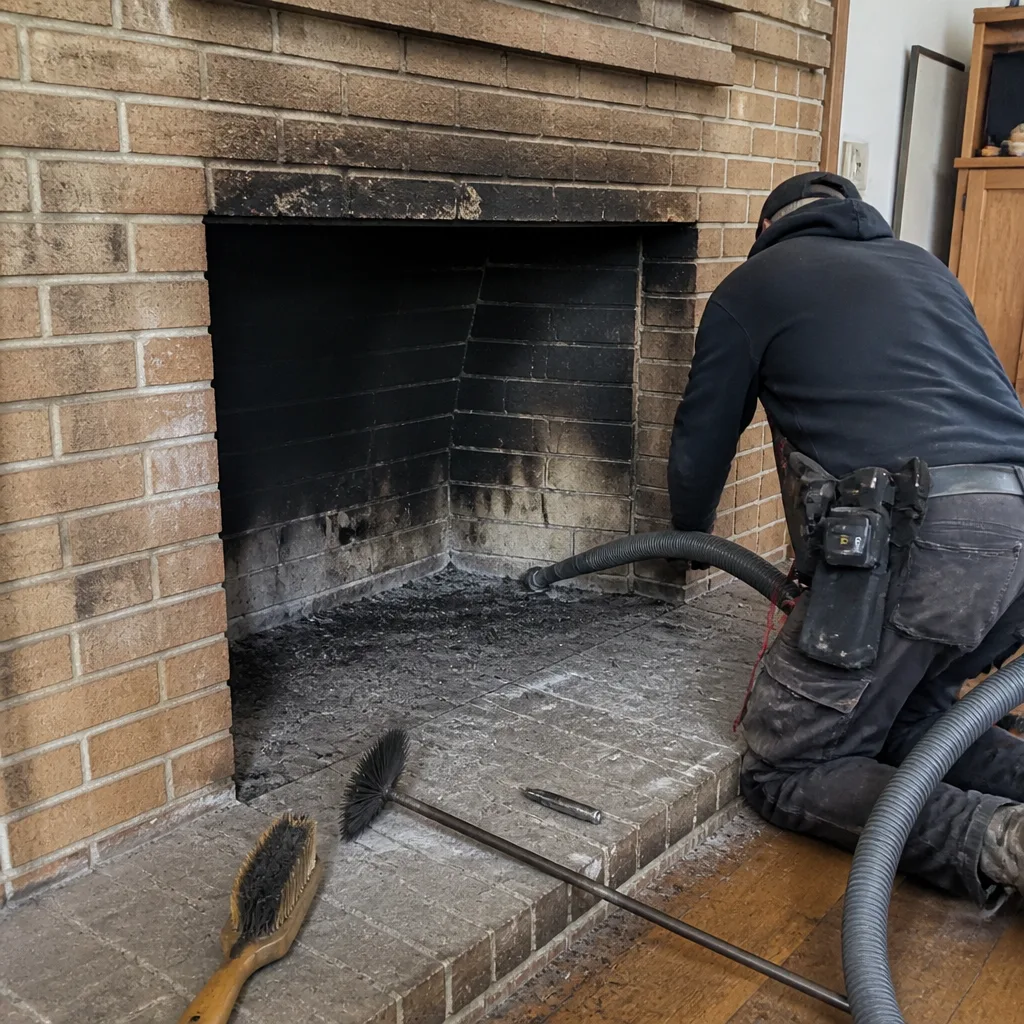 Before
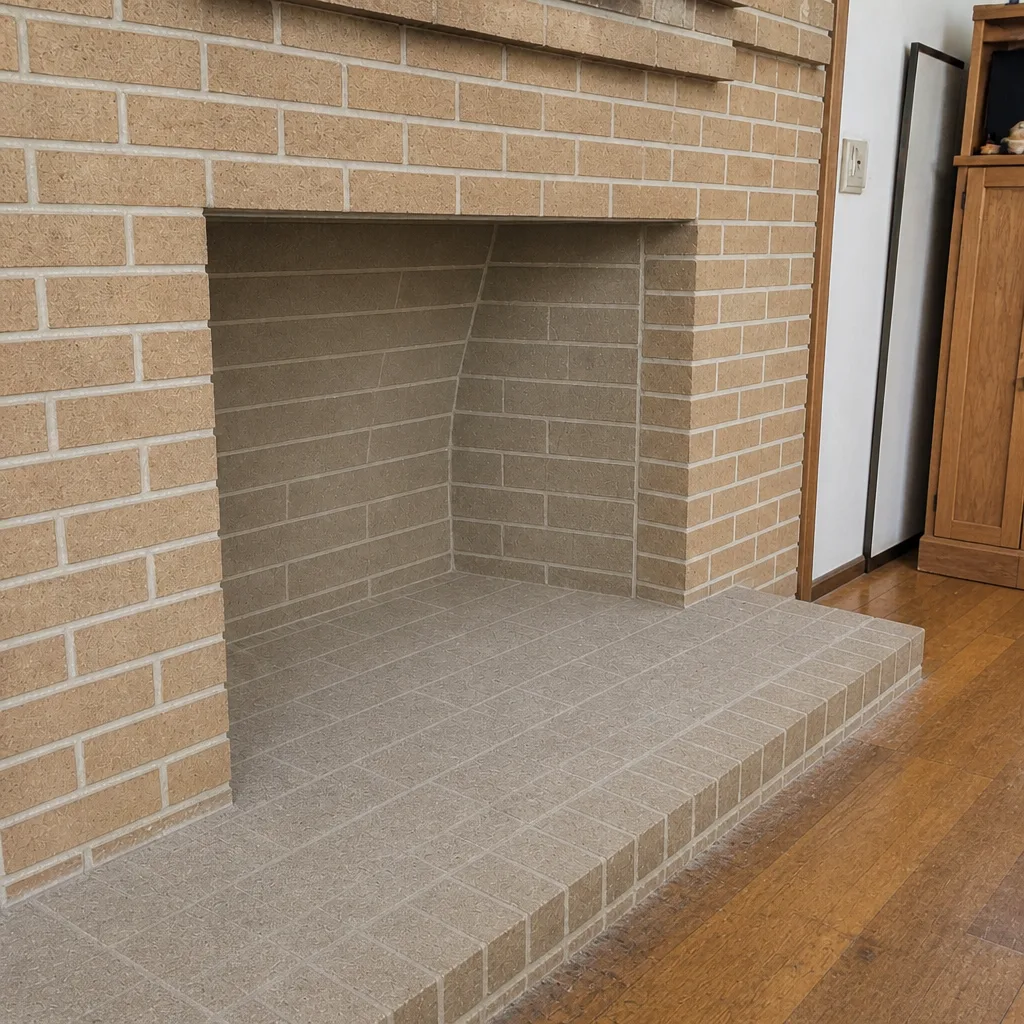 After
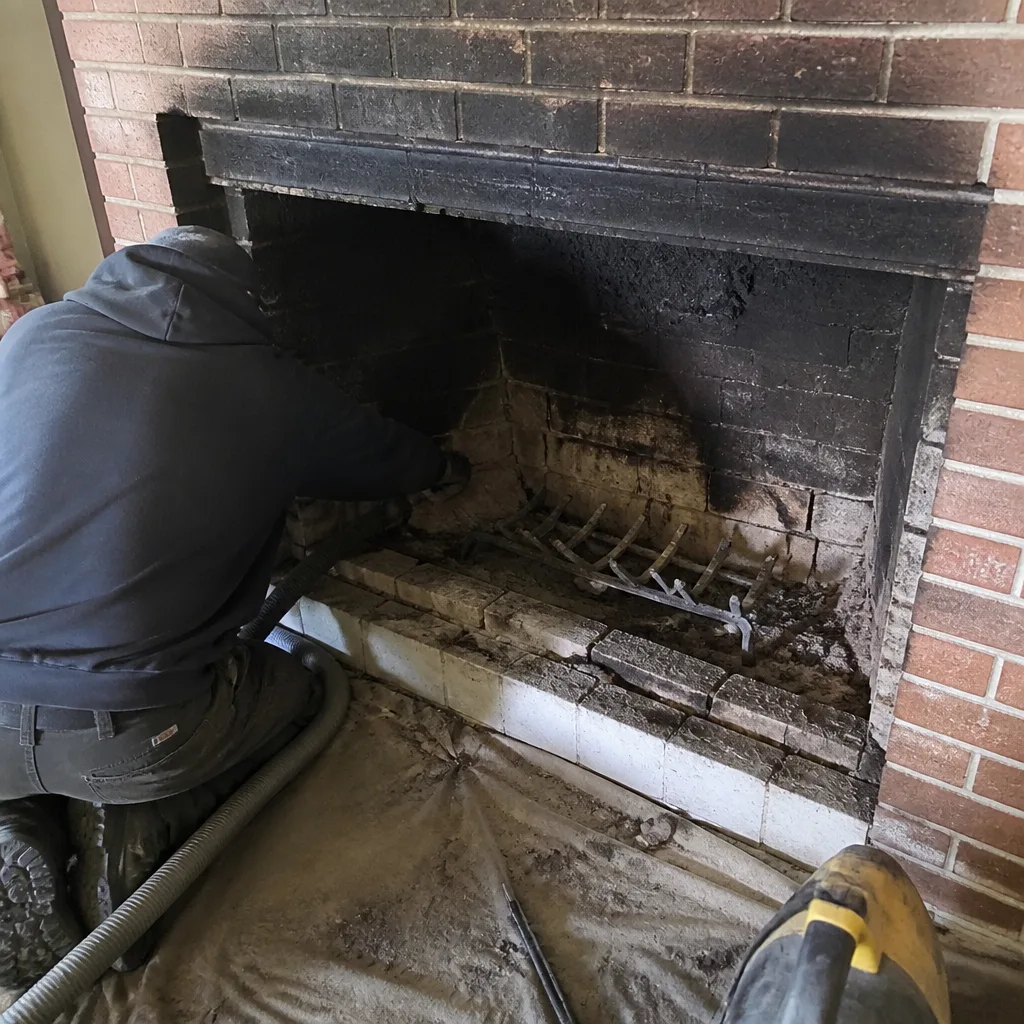 Before
 After
 Before
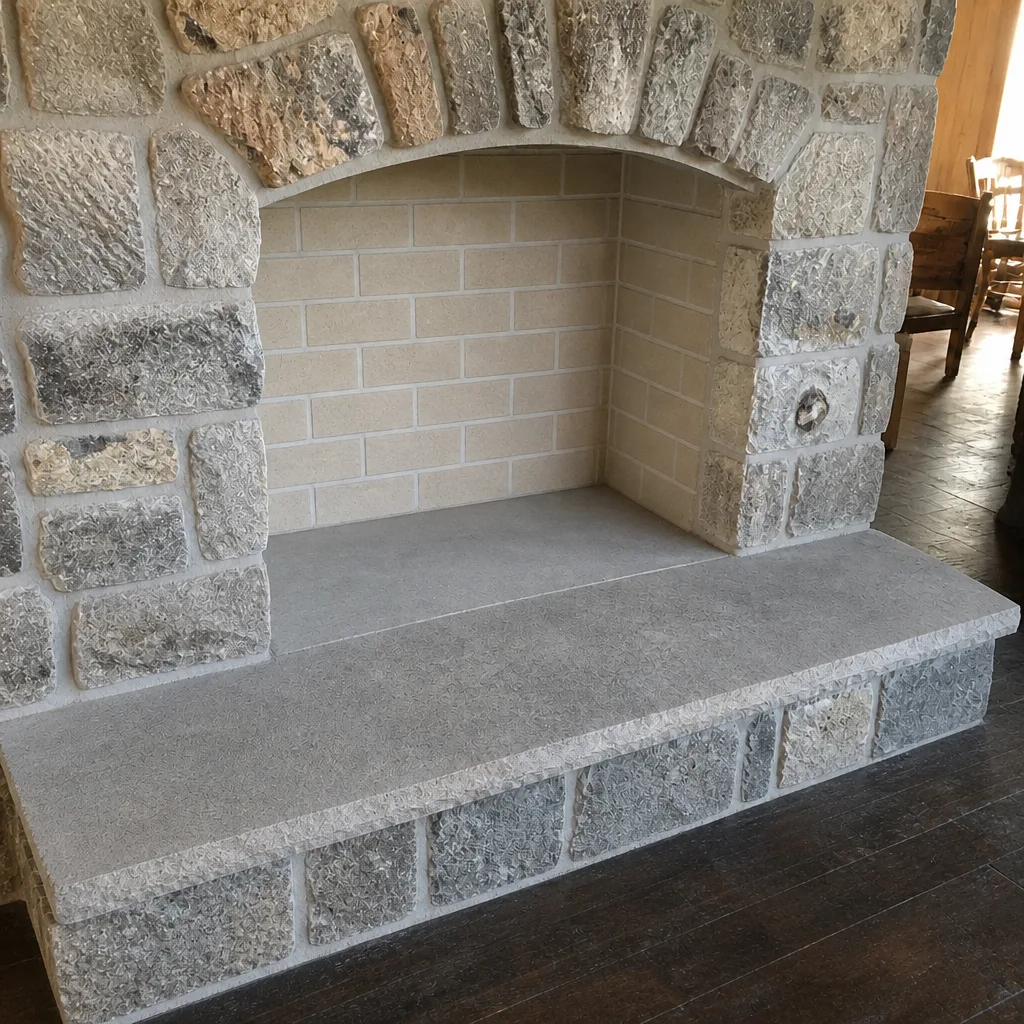 After
When to Call a Professional
Call a professional when any of the following is true: you don’t know when the flue was last inspected, there’s been a chimney fire, you’re buying a home with an unfamiliar chimney, you’re converting to a gas appliance, you see water stains or rust, the creosote is Stage 2 or 3, or your flue has an offset and the roof access isn’t safe. In each of those, the issue is diagnosis rather than cleaning, and diagnosis needs a camera and someone trained to read it. Chimney Sweep Greeley offers free estimates in Greeley – call (855) 632-3564. We work in chimneys only, and every technician works in chimneys rather than split across unrelated trades. Our technicians have up to 13 years of experience. We’re a Chimney Sweep Greeley specialist, so inspection, cleaning, and repair all happen with the same team.
Frequently Asked Questions
You can clean the creosote yourself if the flue has been inspected and confirmed sound, but you can’t skip the inspection – it’s the part that tells you whether the cleaning is safe. A brush removes soot; it can’t see a cracked liner, a failing crown, or glazed creosote. If you’re cleaning between inspections, DIY is reasonable. If you’re cleaning instead of an inspection, you’re skipping the step that matters most. Call (855) 632-3564 for an exact quote on an inspection – estimates are free.
Once a year for most homes with a wood-burning fireplace, and more often if you burn heavily or burn unseasoned wood. Gas appliances on a dedicated vent need inspection on the same annual schedule even though they produce little or no creosote, because the inspection is about the vent and the appliance connection, not the soot. The schedule that matters is inspection annually, cleaning as the inspection indicates. Call (855) 632-3564 to book an inspection – estimates are free.
A sweep removes creosote, soot, and debris from the flue. An inspection evaluates the condition of the flue, liner, crown, flashing, and appliance connection, usually with a camera. They’re separate jobs, and in most homes the inspection is the more valuable one because it finds problems you can’t see. A professional sweep typically includes a basic inspection as part of the visit; a dedicated inspection goes deeper. Call (855) 632-3564 to talk through which you need – estimates are free.
Creosote accumulates with every fire, and at Stage 2 and Stage 3 it becomes fuel for a chimney fire. A fire can crack a clay tile liner or distort a metal one, which then lets heat and combustion gases reach the framing around the flue. Separately, a blocked or damaged flue can back combustion gases into the living space, which is a carbon monoxide concern. The cleaning is the preventive step; the inspection is what confirms the flue is still sound enough to use. Call (855) 632-3564 to book a sweep before burning season – estimates are free.
You may not. Many flues that look like reline candidates can be restored with a HeatShield application, which is less invasive and less expensive than a full liner replacement. The honest answer is that it depends on what the camera shows, and any recommendation should come with evidence you can see for yourself. If you’re told you need thousands of dollars of liner work, ask to see the camera footage. Call (855) 632-3564 for an inspection with a written report – estimates are free.
Cleaning your own chimney is not prohibited in most jurisdictions, but the code requirements that matter are about the flue’s condition and the appliance’s installation, not about who holds the brush. Most municipalities require a permit for chimney repairs and liner installations, so any repair work needs to go through the local building department. Cleaning itself is generally a homeowner’s call. Call (855) 632-3564 if you’re unsure whether your flue is in a condition to be cleaned – estimates are free.
The Bottom Line
The right brush isn’t the hard part of DIY chimney cleaning – the inspection is. If your flue has been recently inspected and confirmed sound, you’re removing light soot rather than glazed creosote, and you have proper dust containment, cleaning it yourself between professional visits is a reasonable choice. If any of those isn’t true, the brush is the cheap part and the risk sits in what you can’t see. Greeley’s altitude and freeze-thaw winters make top-down cleaning preferable and roof work riskier, which tilts the balance further toward professional service for most homes. The decision comes down to one question: has anyone looked inside that flue lately? If not, that’s the first call to make.
Call (855) 632-3564 for a free estimate. We answer 24/7. Fast dispatch from 7am to 7pm, Sunday through Friday. We work in chimneys only – inspection, cleaning, and repair handled by the same specialists, using professional-grade materials from brands like DuraFlex, HeatShield, and Copperfield.
Written by the team at Chimney Sweep Greeley.