
Last updated November 15, 2026
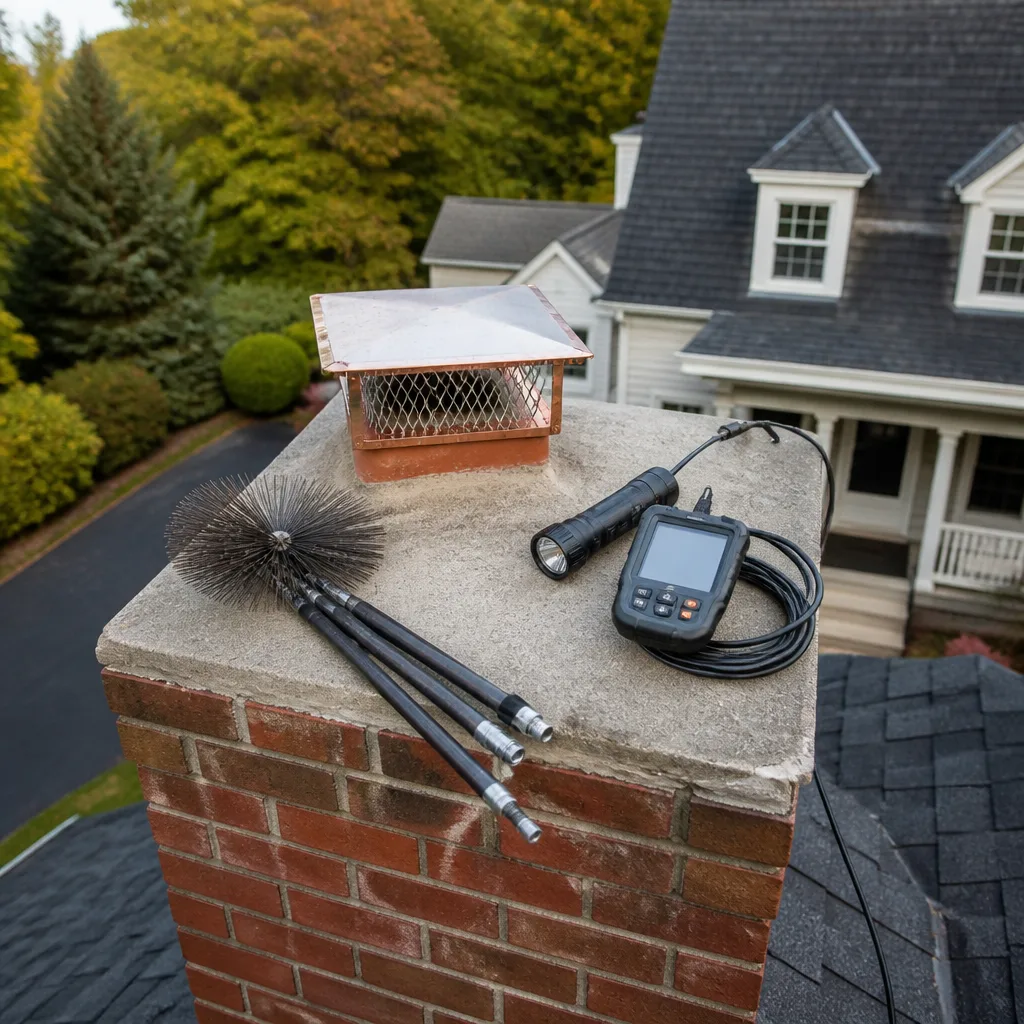 Sweep & inspection
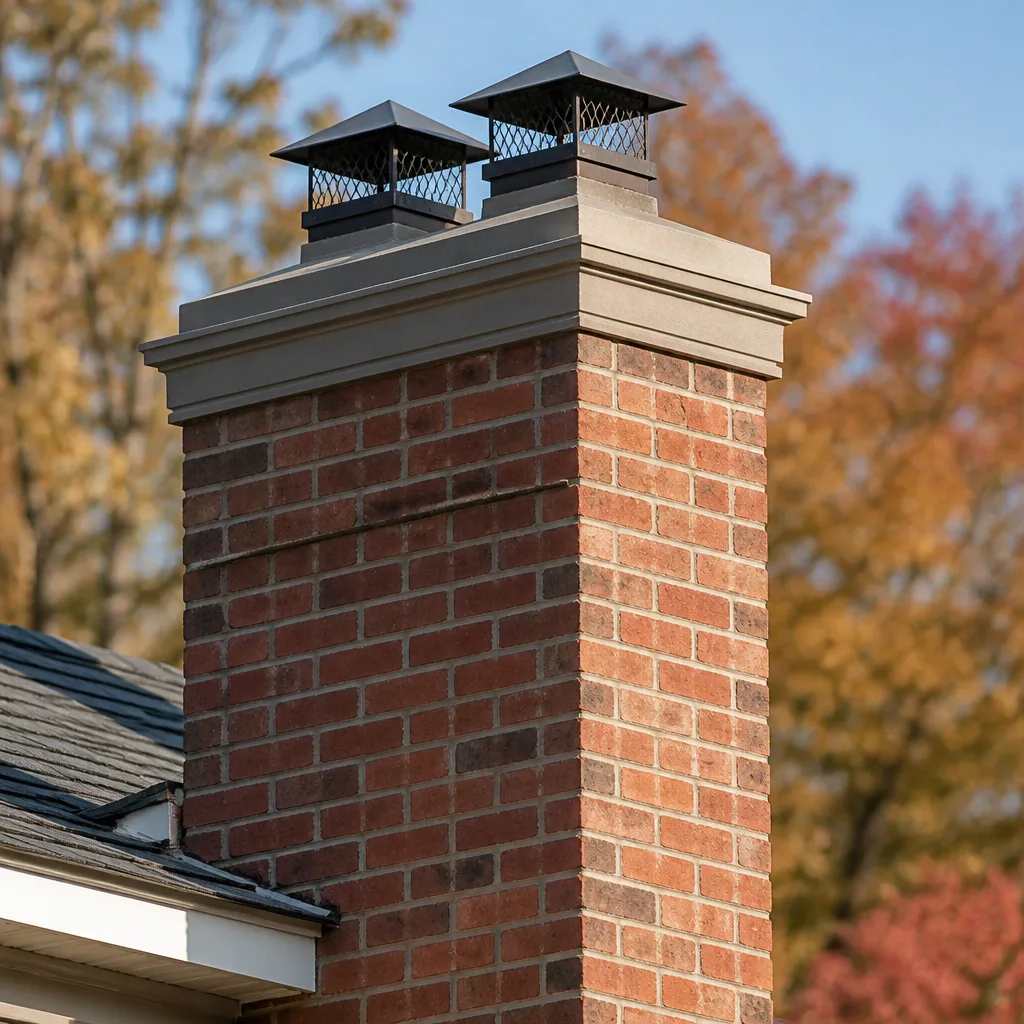 Caps & crowns
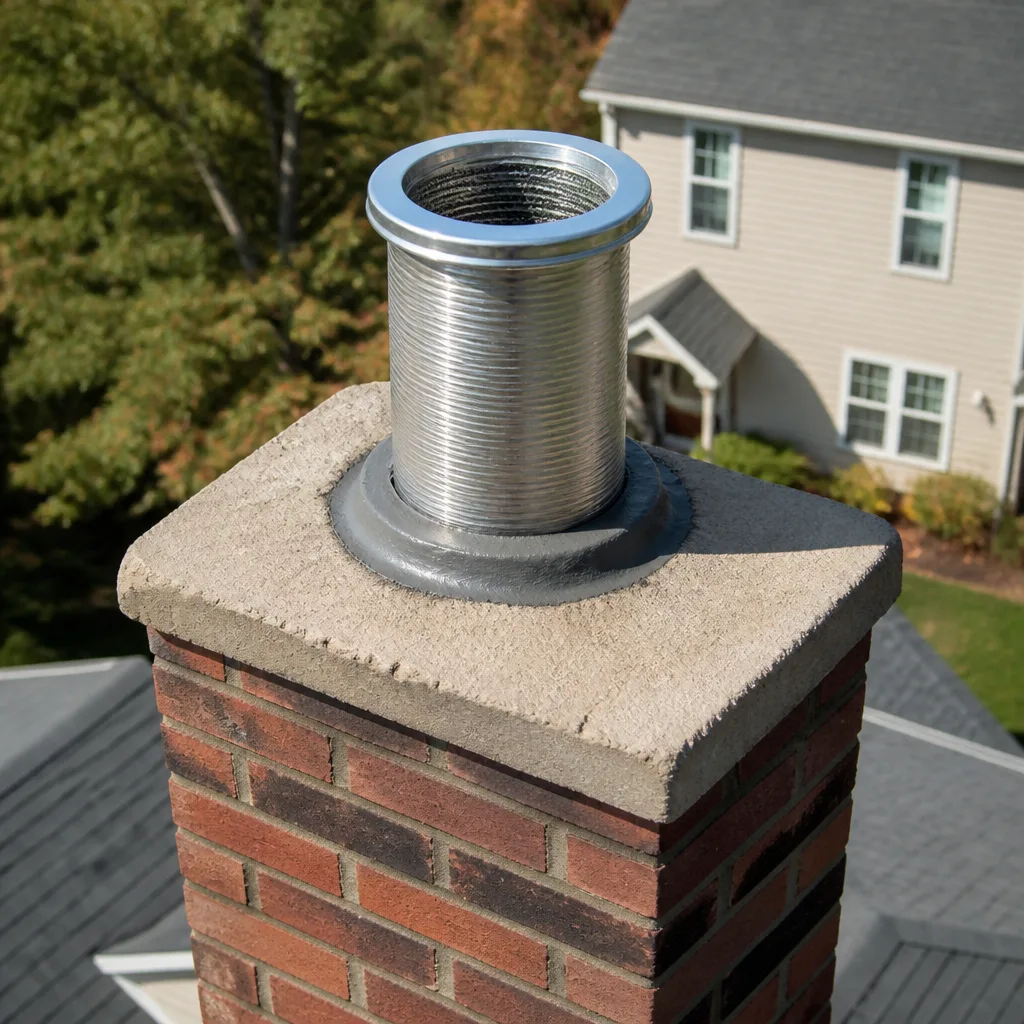 Flue relining
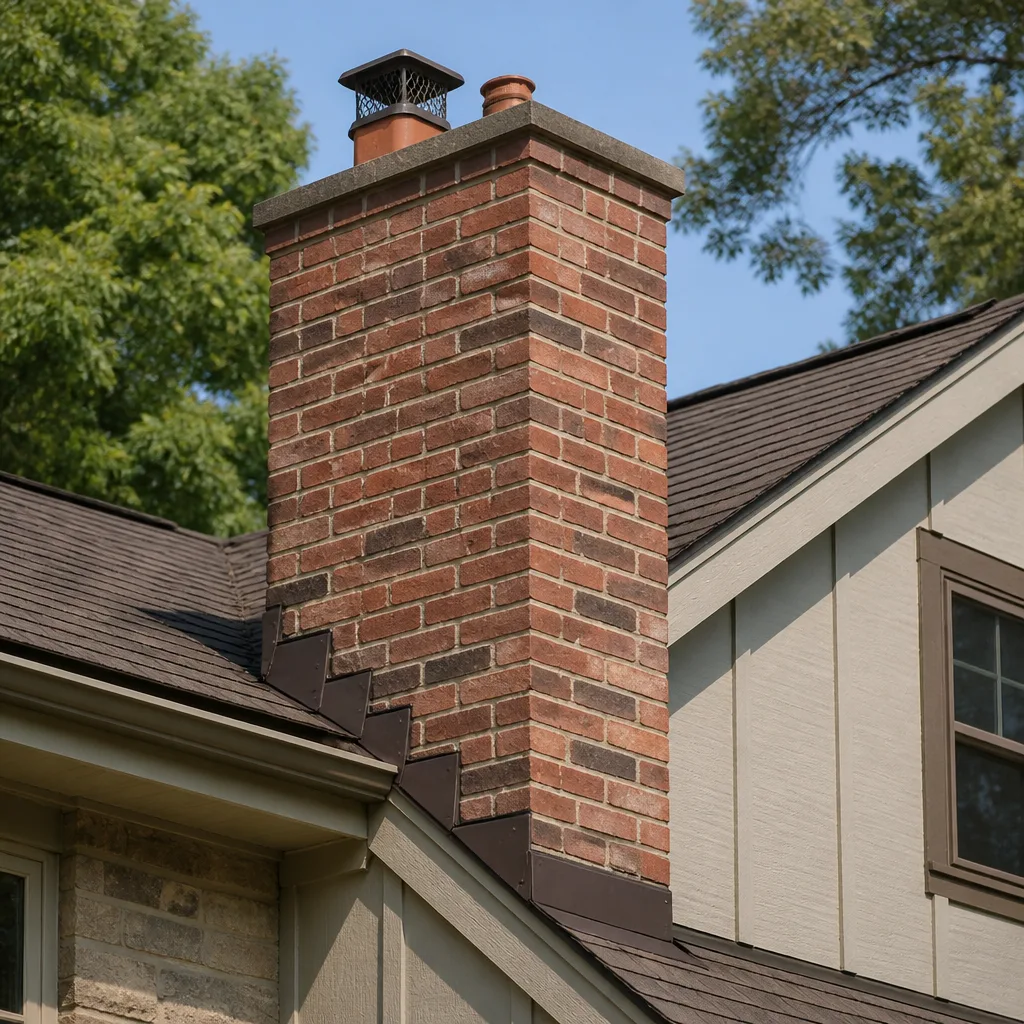 Masonry repair
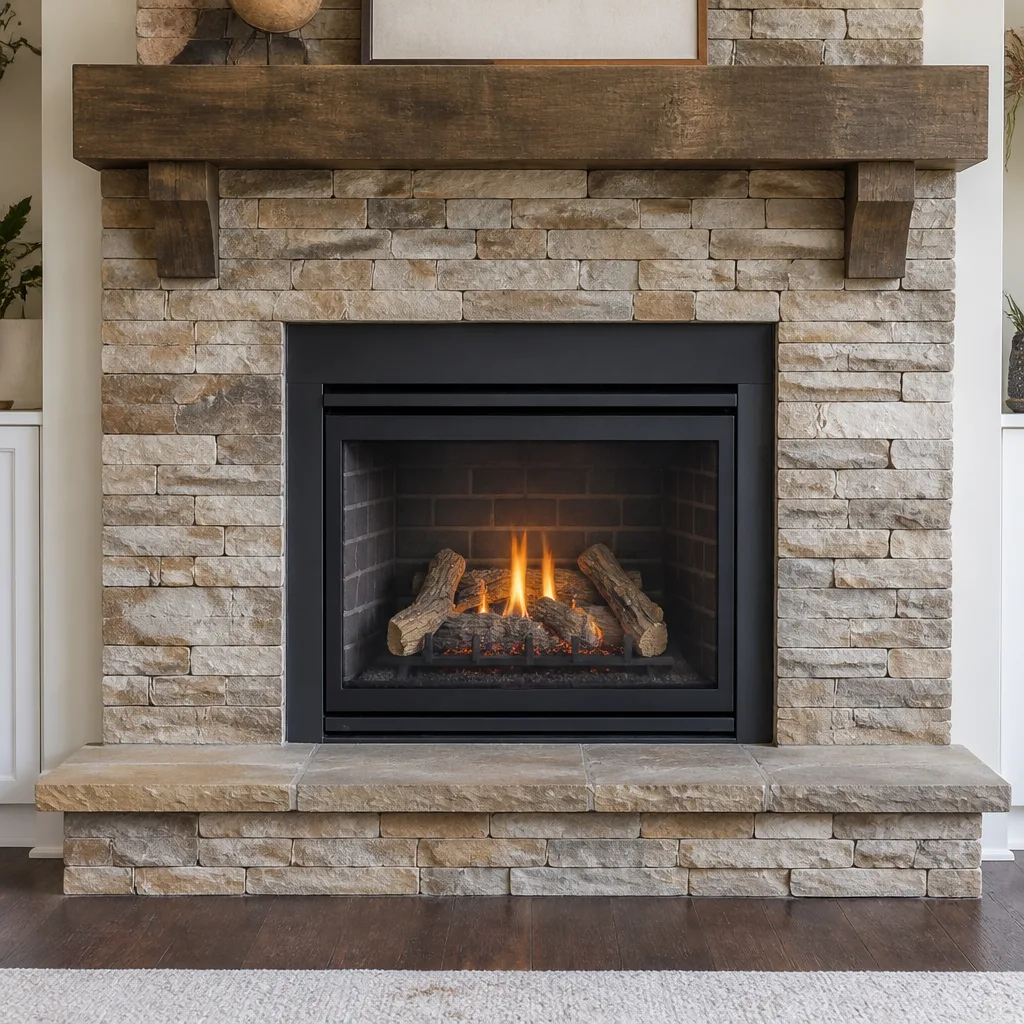 Gas fireplace service
Level 1 sweep and inspection to the NFPA 211 annual standard - flue, crown, cap, and flashing checked and photographed
Chimney sweep logs do not sweep chimneys. They loosen some creosote - which then falls where a brush and vacuum still have to collect it.
Seasonal Chimney Cleaning Care for Greeley: Year-Round Homeowner’s Guide
Most chimney advice tells you to book a sweep in the fall and forget about it. That advice misses the season that matters most in Greeley. Late March through April is when freeze-thaw cycling hits its peak here, and it’s exactly when the fireplace use season has just ended and most homeowners stop paying attention to the chimney. Cracks that opened over the winter sit exposed through spring rain and summer hailstorms, and by the time anyone looks again in October, water has been working on the masonry for six months. This guide maps each of Greeley’s four seasons to a specific chimney condition and the action it calls for, so you know what to check and when.
Quick Answer
A chimney in Greeley needs attention in every season, not just fall. Spring is for inspection right after the heating season ends, summer is the best window for cleaning and repairs because masonry cures well in warm dry weather, fall is for a pre-season inspection before the first fire, and winter is for watching smoke, odor and damper behavior during active use. The single highest-value change most homeowners can make is booking the inspection in spring rather than October.
Styles & brands we work with
- Sweep & inspection
- Caps & crowns
- Flue relining
- Masonry repair
- Gas fireplace service
Table of Contents
- Spring: Post-Heating-Season Inspection Priorities
- Summer: Why It’s the Best Time for Cleaning and Repairs
- Fall: Pre-Season Inspection Versus Cleaning
- Winter: Mid-Season Warning Signs to Watch
- The Shoulder Seasons Most Guides Skip
- Building a Greeley-Calibrated Annual Chimney Schedule
- Common Mistakes to Avoid
- Frequently Asked Questions
Before we get into the season-by-season breakdown, it helps to name what we do. Chimney Sweep Greeley works in chimneys only. Every technician works in the chimney trade and nowhere else, and our technicians have up to 13 years of experience. That single-trade focus is why we can walk a homeowner through what a flue is doing in April and again in September without guessing.
Spring: Post-Heating-Season Inspection Priorities
Spring is the inspection season in Greeley, and it’s the one most homeowners skip. The reasoning is simple: a full winter of fires has just ended, which means the chimney has just gone through its heaviest use period and its heaviest stress period at the same time. Whatever the flue, crown or flashing went through is now visible, and it’s visible before summer storms get a chance to push water into any opening the winter created.
The freeze-thaw cycle is the specific reason spring matters here. Greeley sits on the high plains east of the Front Range, and late-season cold snaps alternate with warm afternoons. Moisture that gets into a hairline crack in the crown or the mortar joints freezes overnight, expands, and then thaws the next day. Repeat that cycle across March and April and a small crack becomes a real one. If you wait until October to look, that crack has had a full summer of rain running through it.
Here’s what a spring inspection should cover:
- The crown. Look for cracks, spalling or separation where the crown meets the flue. The crown is the concrete cap on top of the chimney, and it’s the first line of defense against water.
- Flashing. The metal where the chimney meets the roof is a common leak point, and freeze-thaw is hard on the sealant and the metal itself.
- Mortar joints. Check the exterior masonry for crumbling or missing mortar, especially on the side that gets the most weather.
- The firebox and damper. After a season of use, the firebox takes a look for cracks and the damper for a proper seal.
- The flue interior. This is where a camera inspection earns its keep. Creosote buildup, cracked tiles and gaps in the liner are not things you can see from the hearth.
If you haven’t had the flue looked at in more than two years, book an inspection before anything else. A chimney sweep without an inspection is cleaning a flue nobody has looked inside. The inspection tells you what condition the flue is actually in; the sweep then clears what the inspection found.
Summer: Why It’s the Best Time for Cleaning and Repairs
Summer is the practical season for chimney work in Greeley, and there are three reasons for it.
Availability. Most homeowners call in October because that’s when the first cold snap reminds them the fireplace exists. That means October is the busiest month of the year for every chimney company in the region, and the shoulder seasons are wide open. Booking in June or July means you get the day you want, not the day that’s left over.
Dry masonry and curing conditions. Masonry repair and liner work need dry conditions and warm temperatures to cure properly. Summer in Greeley gives you both. A crown rebuild or mortar repair done in July has the whole season to cure before the first freeze. Do the same work in late October and you’re racing the weather.
Storms find the weak spots. Greeley’s summer afternoon thunderstorm pattern is real, and it’s a useful stress test. A crown that’s already cracked will let water in during a heavy storm, and that water shows up as staining on the ceiling, a musty smell near the fireplace, or efflorescence (the white chalky deposit) on exterior brick. If you had a repair done in spring, summer is when you’d see the evidence of whether it held. If you skipped the repair, summer is when you’d see the damage progress.
This is also the season for liner work. If the inspection found a damaged flue tile or a deteriorated liner, summer is when a replacement can be installed and cured without holding up your first fire. We install DuraFlex flexible liner systems for retrofits and replacements, and Copperfield liner systems for both flexible and rigid applications, so the right liner system gets matched to the chimney type rather than a one-size solution. HeatShield restorative work, which repairs a damaged flue from the inside and can be a less invasive option than full relining, also cures well in summer conditions.
Fall: Pre-Season Inspection Versus Cleaning
Here’s the question we get every fall: should I get an inspection or a cleaning first? The answer depends on your history.
If you’ve had an inspection within the last two years and nothing has changed, a cleaning is the right call before the season. The flue gets swept, the creosote gets removed, and you’re ready for the first fire.
If you haven’t had an inspection in more than two years, or if you’ve never had one, the inspection comes first. Here’s why: a cleaning clears what’s in the flue; an inspection tells you what condition the flue is in. If there’s a cracked tile or a gap in the liner, sweeping the flue and lighting a fire doesn’t fix it. It just sends heat and combustion gases toward a problem nobody has identified. The inspection should happen before the cleaning, and it should happen before the first fire of the season.
Fall is also when you’ll notice the early warning signs. The first fire of the year tends to produce an odor that doesn’t come back later in the season. That smell is often creosote and soot that absorbed summer humidity, and it’s a nudge that the flue wants attention. It’s not an emergency on its own, but it’s a signal worth acting on before the season is in full swing.
For a homeowner in Greeley who uses the fireplace heavily, the fall sequence looks like this:
- Book an inspection if it’s been more than two years, or if you’ve never had one.
- Have the flue swept after the inspection identifies what needs clearing.
- Address any repair found in the inspection before the first fire, or schedule it for the summer if it can safely wait.
- Do a first-fire test and note any odor, smoke behavior or damper issues.
If you’re not sure whether you need chimney repair or just a sweep, that’s exactly the question a camera inspection answers. We include a camera inspection and a photo report so you can see what we see.
Winter: Mid-Season Warning Signs to Watch
Winter is the season you’re actually using the fireplace, which means winter is when the chimney tells you things. You don’t need to climb on the roof to catch most early warnings. You need to pay attention to how the fireplace behaves.
Smoke behavior. A fireplace that drafts well in October and smokes into the room in January has changed. That change is information. It can mean a partially blocked flue, a damper that’s not opening fully, or a creosote buildup that’s narrowing the passage. A little smoke on a cold, still morning is normal. Persistent smoke that rolls out of the firebox every time is not.
Odor changes. If the smell near the fireplace changes mid-season, that’s worth noting. A stronger creosote smell, a smoky smell when no fire is burning, or a musty smell that wasn’t there before can all point to something the flue wants looked at.
Damper performance. The damper should open smoothly and close fully. If it’s sticking, not seating, or you can hear or feel a difference in how it moves, that’s a sign. A damper that doesn’t seal lets heated room air escape up the chimney when the fireplace is idle, and a damper that doesn’t open fully restricts draft.
Glass and firebox changes. For gas inserts and solid-fuel appliances, watch the glass. Soot that builds up faster than it used to, or a flame that looks different, can point to a venting issue.
If any of these show up mid-season, a call is worth making. We answer 24/7. A call outside dispatch hours is booked into the next opening, Sunday through Friday, 7am to 7pm, and the price for the work is set per job by the written estimate. Same-day service is often possible for a sweep or an inspection, but the point isn’t speed. The point is not running a full winter on a flue that’s telling you something.
The Shoulder Seasons Most Guides Skip
Most chimney care advice has two seasons: fall and not-fall. The shoulder seasons, the stretches between the heating season and the storm season, are where the actual leverage is in Greeley.
The spring shoulder, roughly late March through April, is the inspection window. The heating season just ended, which means the flue is at its dirtiest and the chimney has just taken a full winter of thermal cycling. Freeze-thaw is peaking, cracks are opening, and the fireplace is sitting idle. That combination makes spring the single best time to look, and it’s the window most homeowners miss because the fireplace isn’t on their mind.
The early-fall shoulder, roughly late August through September, is the repair window. If the spring inspection found work that needs doing, late summer and early fall are when it can still be completed before the heating season starts. Masonry still cures, temperatures are still workable, and you’re not competing with the October rush. If a repair is found in spring and deferred to the shoulder, that’s a reasonable sequence. If it’s found in spring and deferred to next spring, that’s a season of water and weather on an open problem.
One practical note for Greeley homeowners: this is a hail region, and hail doesn’t care whether your crown is sound. A summer hailstorm on a cracked crown drives water into the masonry and the flue. That’s the argument for getting spring-found repairs done in summer rather than waiting. It’s also the argument for a post-storm look at the chimney cap and the crown if you’ve had a significant hail event, since a damaged cap can let water and debris into the flue.
Building a Greeley-Calibrated Annual Chimney Schedule
A schedule that actually works in Greeley accounts for four seasons and the two shoulder windows between them. Here’s a practical version you can put on the calendar.
- Late March through April (inspect). Book a chimney inspection as soon as the heating season ends. Get the camera inspection and a photo report so you know the actual condition of the flue, crown, flashing and firebox. This is the highest-risk window for undetected crown and flashing damage in Greeley, and it’s the window most homeowners skip.
- May through July (repair and reline). If the inspection found work, get it scheduled in the dry, warm stretch. Masonry and liner systems cure best in summer conditions, and availability is at its best. This is also the window for a sweep if the flue is due, since the fireplace is idle.
- Late August through September (close out the shoulder). Finish any repair that got pushed into the shoulder. Confirm the crown, flashing and cap are sound before the storm season winds down and the heating season starts. This is the last practical window for exterior work.
- October (pre-season check). If you’ve had a recent inspection, a sweep before the first fire is a reasonable final step. If it’s been more than two years, the inspection comes before the cleaning.
- November through February (watch). Pay attention to smoke behavior, odor and damper performance during active use. Note anything that changes and act on it rather than waiting for spring.
- Repeat. The schedule is annual. The inspection cadence depends on use and what the last inspection found, but the four-season rhythm stays the same.
If you use a wood-burning fireplace heavily, or you burn a solid-fuel appliance, the flue accumulates creosote faster than a lightly used fireplace. Talk to the technician about whether your use pattern calls for a sweep once a year or more often. That’s a conversation to have at the inspection, not a number to guess at.
Common Mistakes to Avoid
- Waiting until October to look at the chimney. By October, a crack that opened in March has had a full spring and summer of weather on it. Spring inspection catches the damage while it’s still small enough to repair.
- Booking a sweep and calling it an inspection. A sweep clears the flue; it doesn’t tell you what condition the flue is in. If it’s been more than two years since anyone looked inside with a camera, the inspection comes first.
- Assuming a general handyman can do chimney work. Chimney work is its own trade. Liner selection, crown repair and venting all have their own rules, and a generalist who also sweeps chimneys doesn’t have the depth a single-trade specialist does.
- Ignoring a mid-season change in smoke or odor. A fireplace that behaved one way in November and another way in January is telling you something. Note the change and get it looked at rather than waiting for spring.
- Putting off a repair found in spring until next spring. If the inspection finds crown or flashing damage in April, the shoulder (late summer to early fall) is the right window to fix it. Deferring it a full year means a full year of water on the problem.
- Skipping the post-hail look. Greeley gets hail. A significant hail event can damage a chimney cap or open a crack in the crown, and it’s worth a look afterward rather than discovering it in October.
- Letting a roof leak go because it only shows up in heavy rain. Water showing up near the fireplace during a storm is usually a crown or flashing issue, and it gets worse the longer it’s left.
See the difference
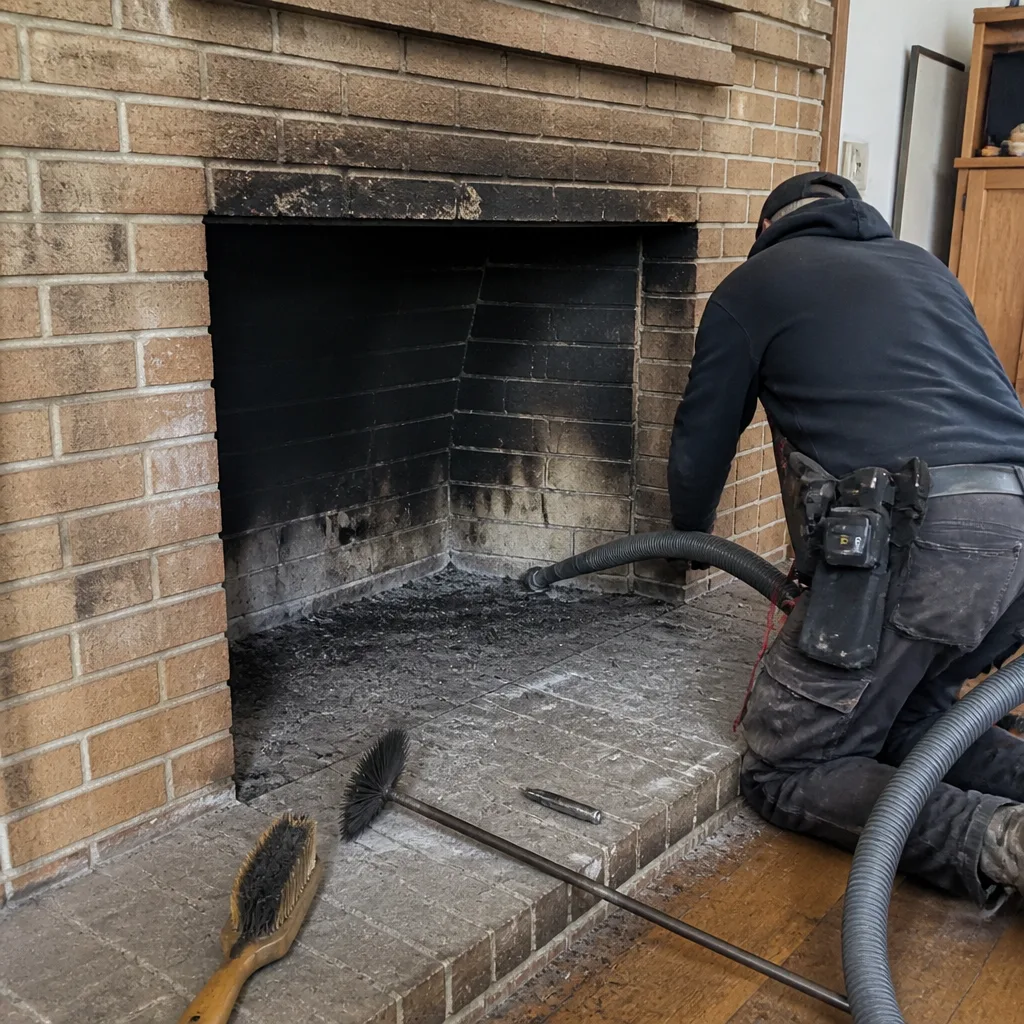 Before
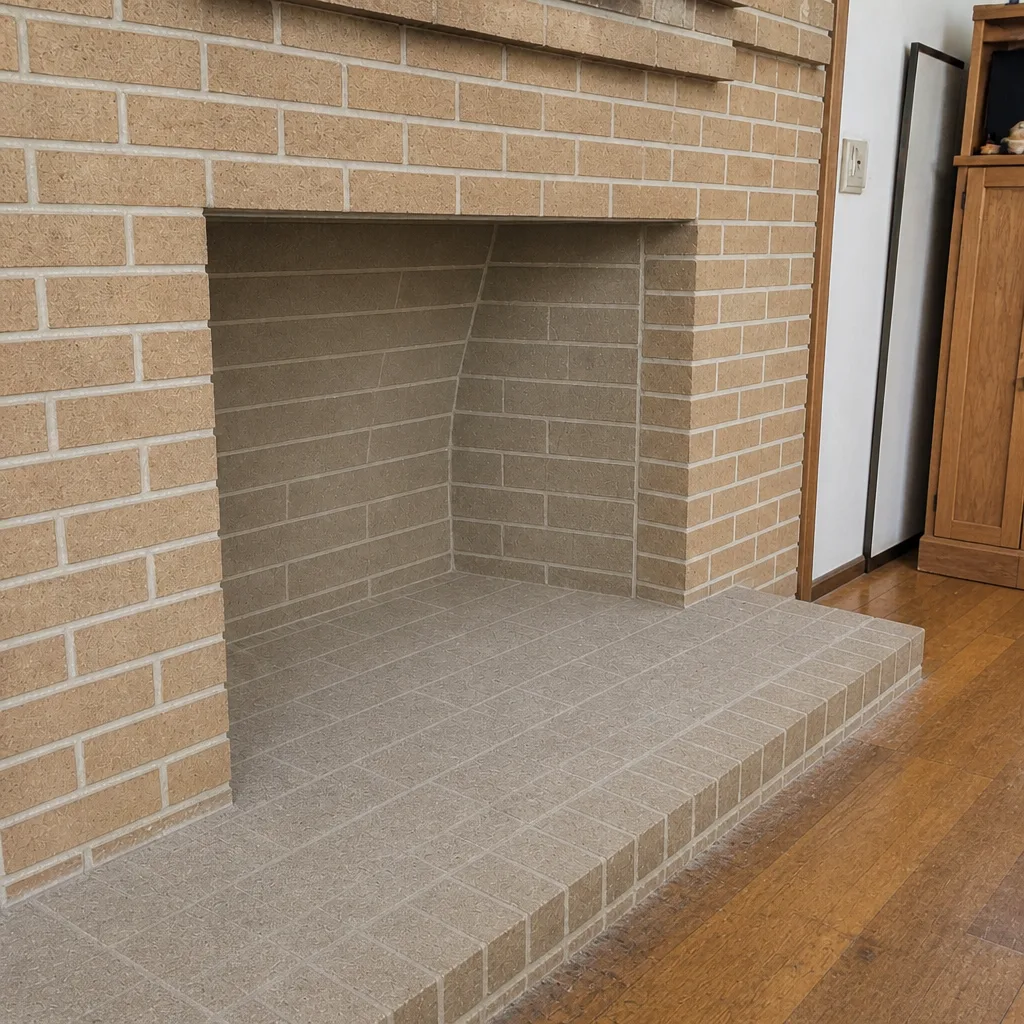 After
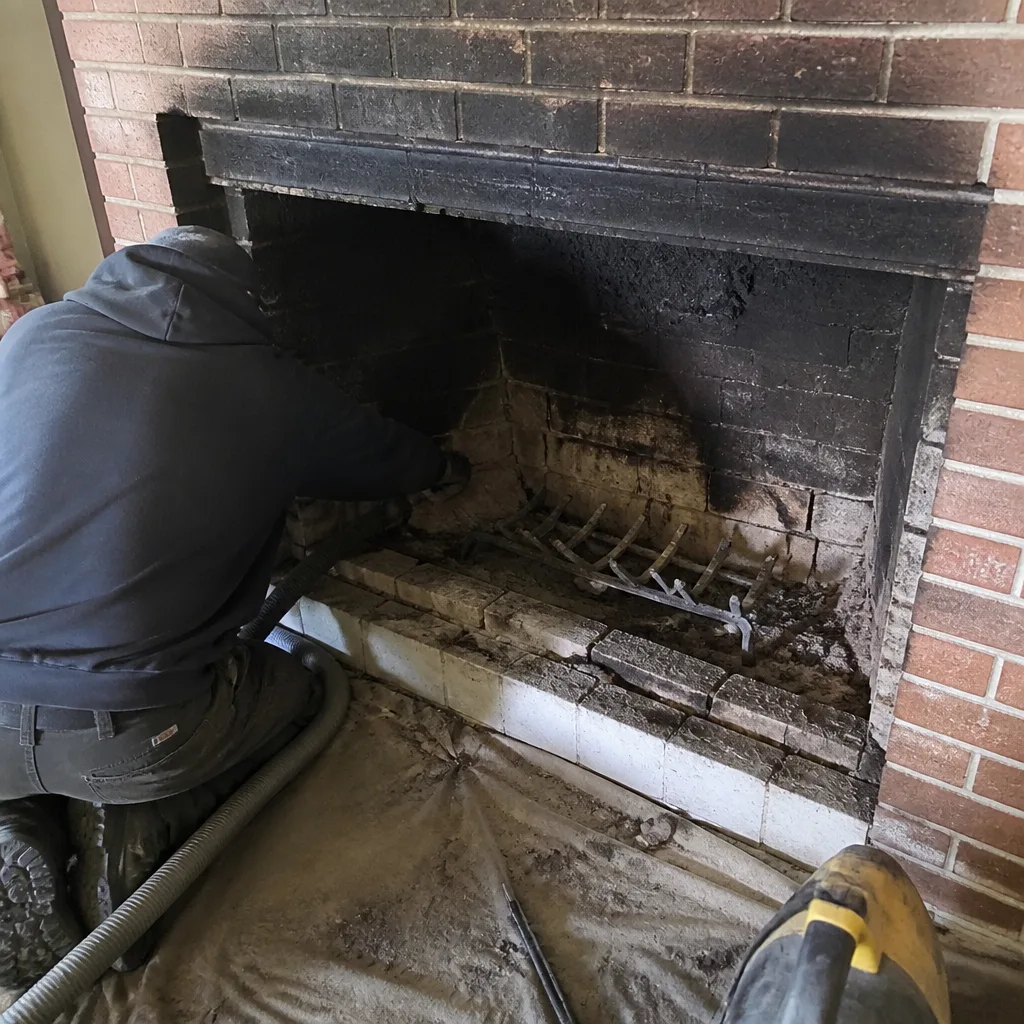 Before
 After
 Before
 After
When to Call a Professional
Some chimney conditions can wait for the scheduled inspection. Others want a call now. Call if you smell smoke or creosote in the house when no fire is burning, if smoke rolls into the room every time you light a fire, if the damper won’t open or close properly, if you see water staining near the fireplace or on the ceiling, or if you notice a crack or missing mortar on the exterior after a freeze or a hail event. Also call if it’s been more than two years since the flue was inspected, or if you’ve never had a camera inspection. These are not necessarily emergencies, but they’re all conditions worth a look before the season gets further along. Chimney Sweep Greeley offers free estimates in Greeley. Call (855) 632-3564. We answer 24/7, with fast dispatch from 7am to 7pm, Sunday through Friday, and we’re closed Saturday.
On the safety side: creosote buildup in a flue is a fire hazard, and a blocked or damaged flue can let carbon monoxide back into the home. Those risks don’t need to be exaggerated to matter. If something has changed in how the fireplace behaves, that’s the signal to get it looked at. A trained chimney professional can tell you whether it can safely wait or whether it wants attention now.
Frequently Asked Questions
Most wood-burning fireplaces benefit from a sweep about once a year, and heavily used fireplaces or solid-fuel appliances may need it more often. The right answer for your chimney depends on use and what the inspection finds, which is why the inspection comes first if it’s been more than two years. Call (855) 632-3564 for an exact quote. Estimates are free.
Late spring through summer is the best window for cleaning and repair work in Greeley, because masonry cures well in warm dry weather and availability is better than in the fall rush. Spring is the best window for the inspection itself, right after the heating season ends and before summer storms can get into any cracks the winter opened. Call (855) 632-3564 to book a time.
If you’ve had an inspection within the last two years, a cleaning is the reasonable first step. If it’s been more than two years, or you’ve never had a camera inspection, the inspection comes first so you know what condition the flue is in before anyone sweeps it. Call (855) 632-3564 to talk it through, and estimates are free.
Spring peaks the freeze-thaw cycle, and it comes right after the heaviest use season for the fireplace. That means cracks and gaps are opening at the same time most homeowners stop looking at the chimney, so damage can go undetected through spring and summer and be far worse by fall. A spring inspection catches it early.
Smoke that rolls into the room every time you light a fire, a smoke or creosote smell when no fire is burning, a damper that sticks or won’t seal, and water staining near the fireplace are all signs worth a call. These can point to a blocked or damaged flue or a draft problem that a professional can diagnose. Call (855) 632-3564 and we’ll set up an inspection.
A camera inspection is how you see the condition of the flue interior, and it’s the part a sweep alone can’t tell you. It’s also what lets us show you the photo report, so you can see what we saw and make your own call on the work. If nothing needs doing, we’ll say so. Call (855) 632-3564 for a free estimate.
The Bottom Line
The season that matters most for a Greeley chimney is the one most homeowners ignore. Spring inspection catches freeze-thaw damage before summer storms push water into it. Summer is the best window for cleaning, liner work and masonry repair because the conditions are right and the schedule is open. Fall is for a pre-season check, with the inspection coming before the cleaning if it’s been more than two years. Winter is for watching smoke, odor and damper performance and acting on what changes. Build the annual schedule around those four seasons and the two shoulder windows, and the chimney stays ahead of the weather instead of behind it.
Chimney Sweep Greeley works in chimneys only, from inspection through repair. We install liner systems and restorative flue solutions from brands chimney technicians trust, including DuraFlex, Copperfield, HeatShield, Olympia Chimney, Famco and Gelco, and we handle the diagnostic-to-repair loop with the same specialists. Our technicians have up to 13 years of experience. If you’re ready to get on a Greeley-calibrated schedule, call (855) 632-3564 for a free estimate. We answer 24/7, with fast dispatch from 7am to 7pm, Sunday through Friday.
Written by the team at Chimney Sweep Greeley.