
Last updated November 15, 2026
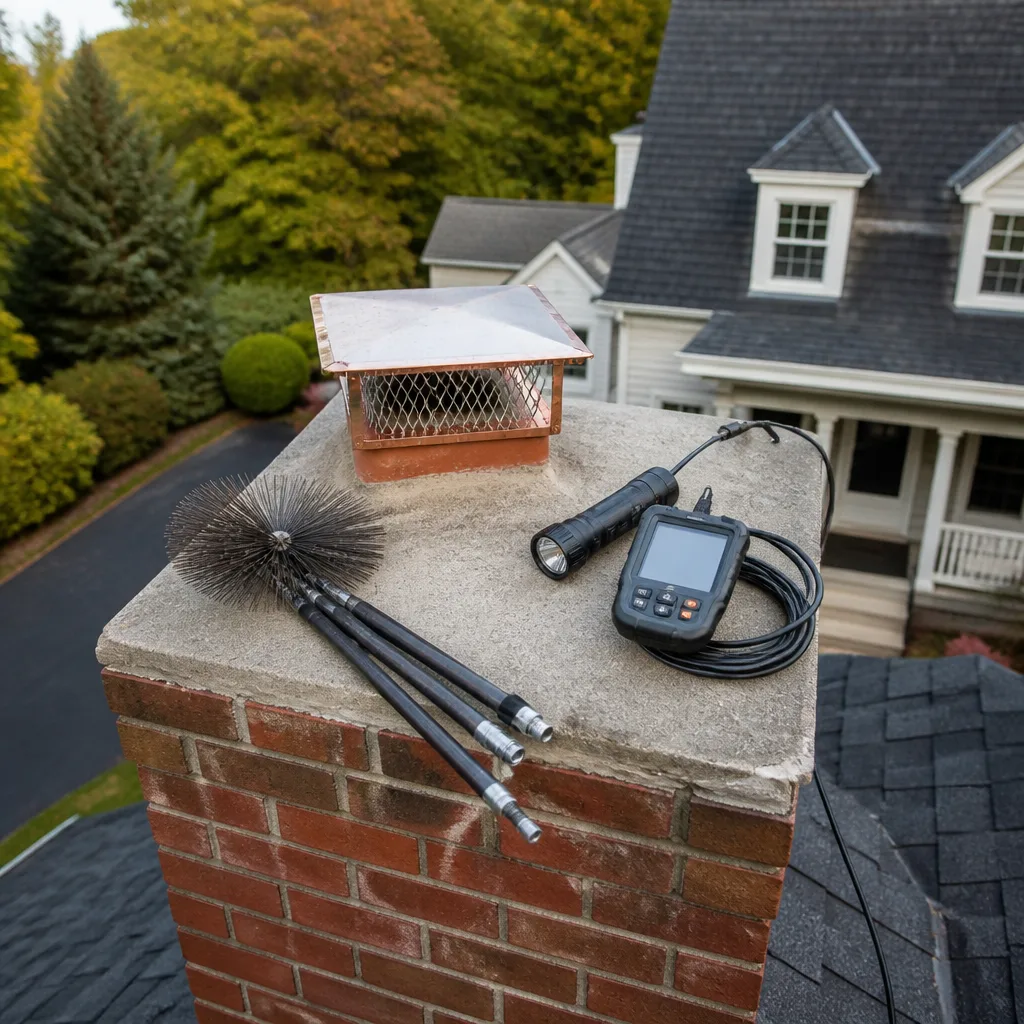 Sweep & inspection
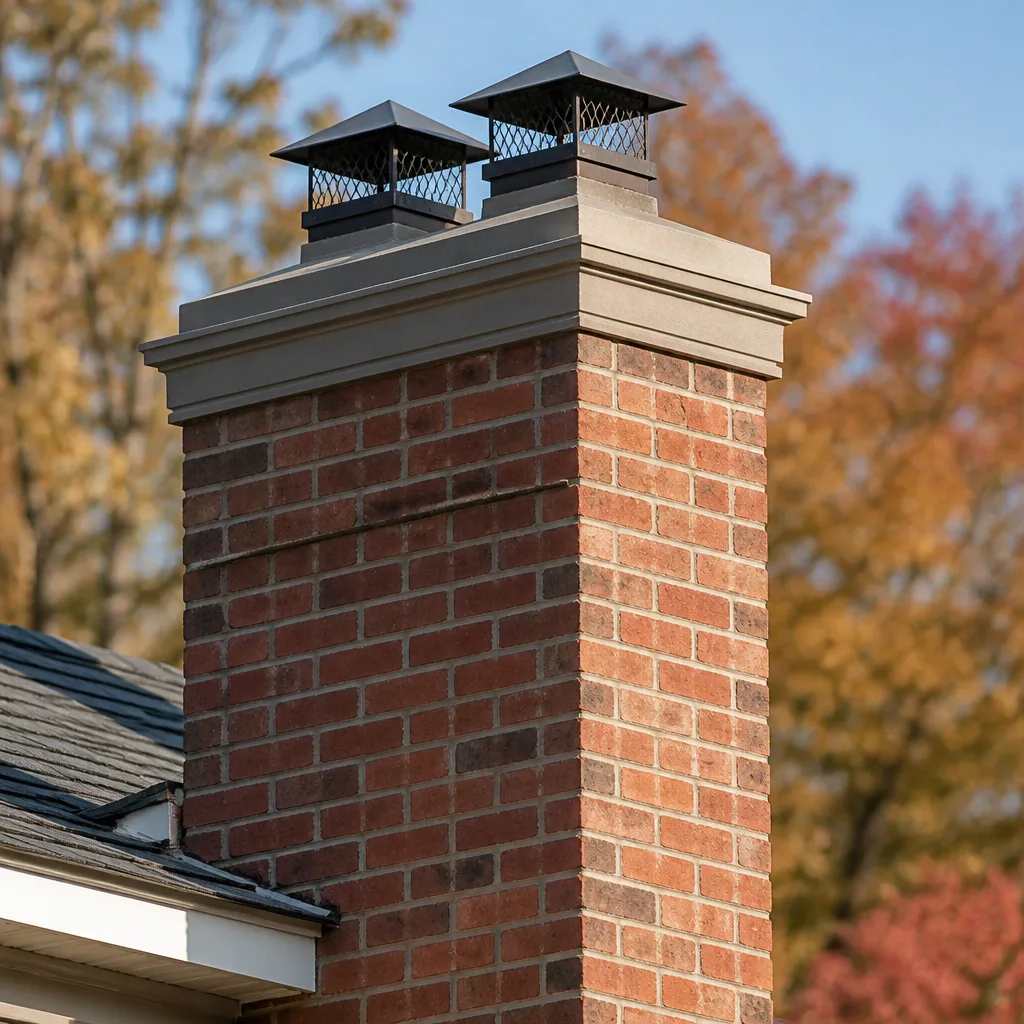 Caps & crowns
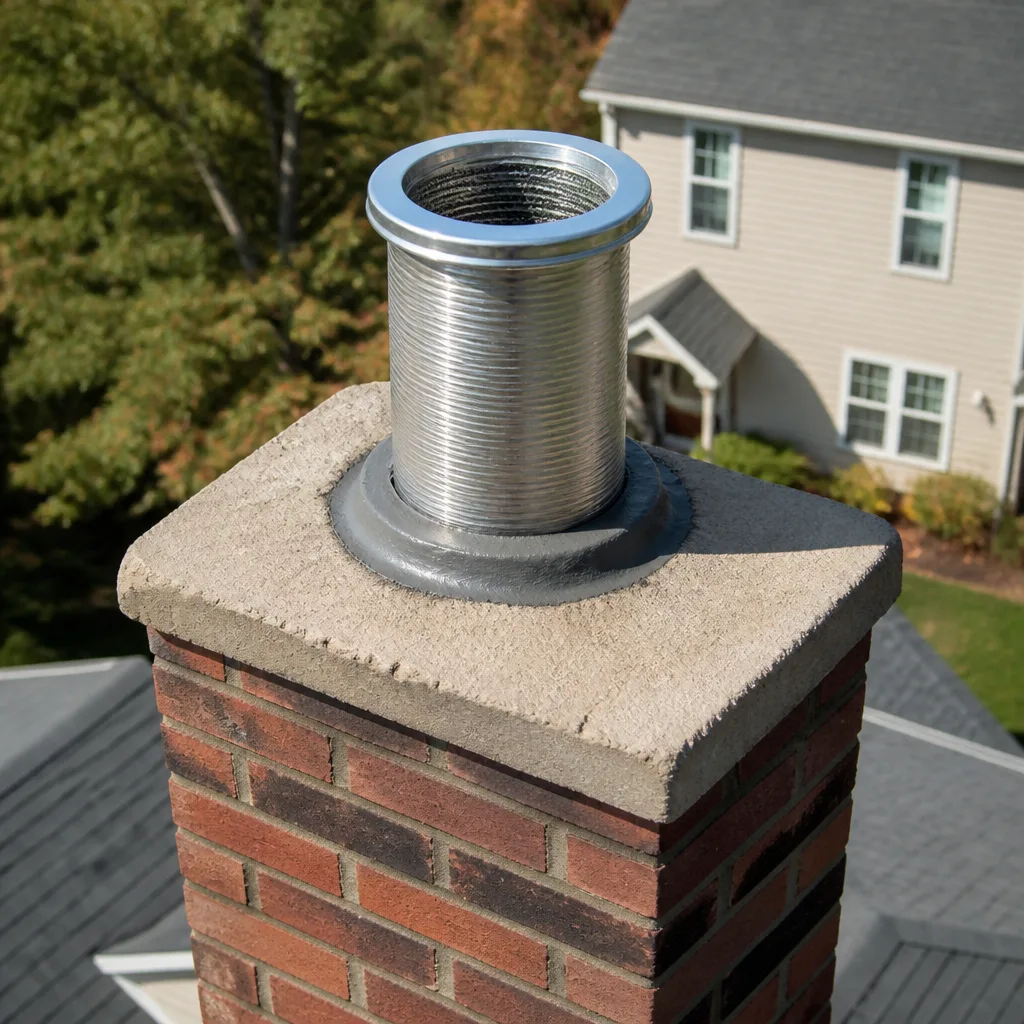 Flue relining
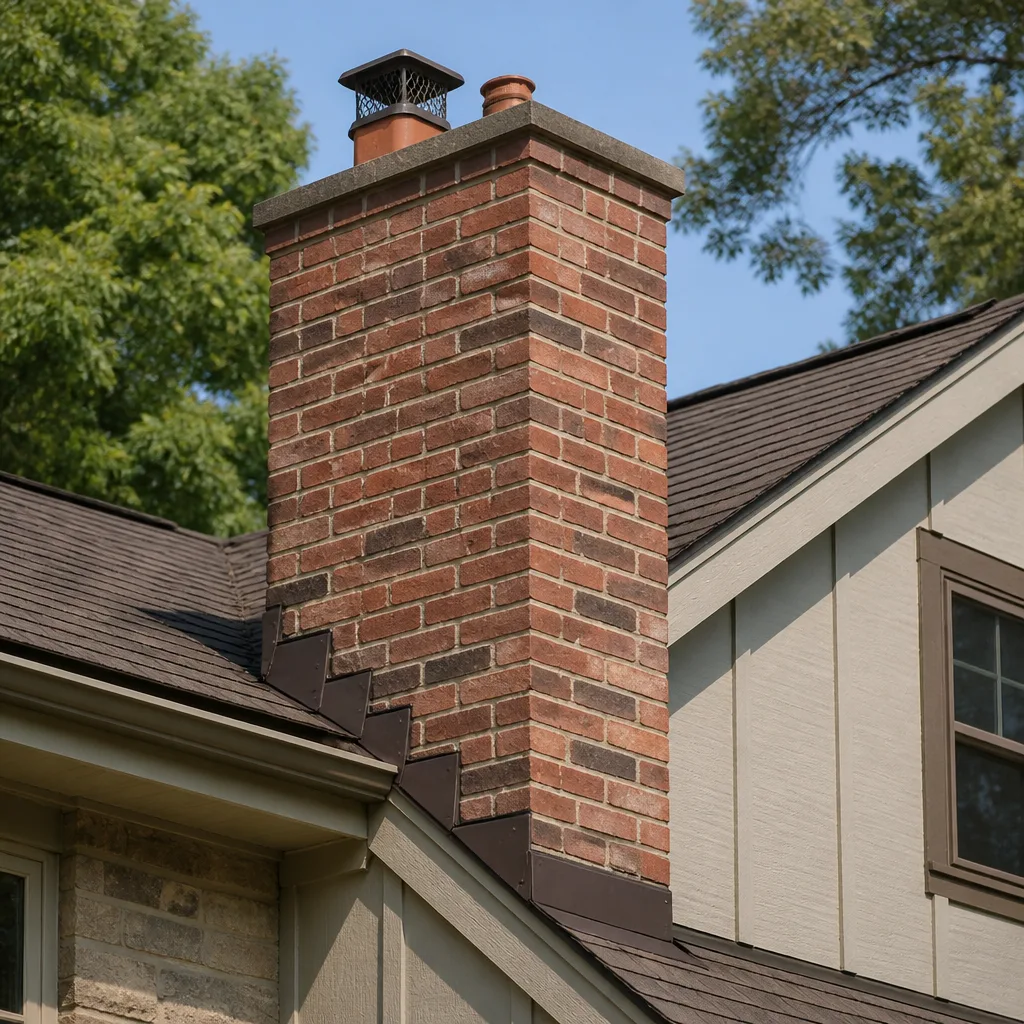 Masonry repair
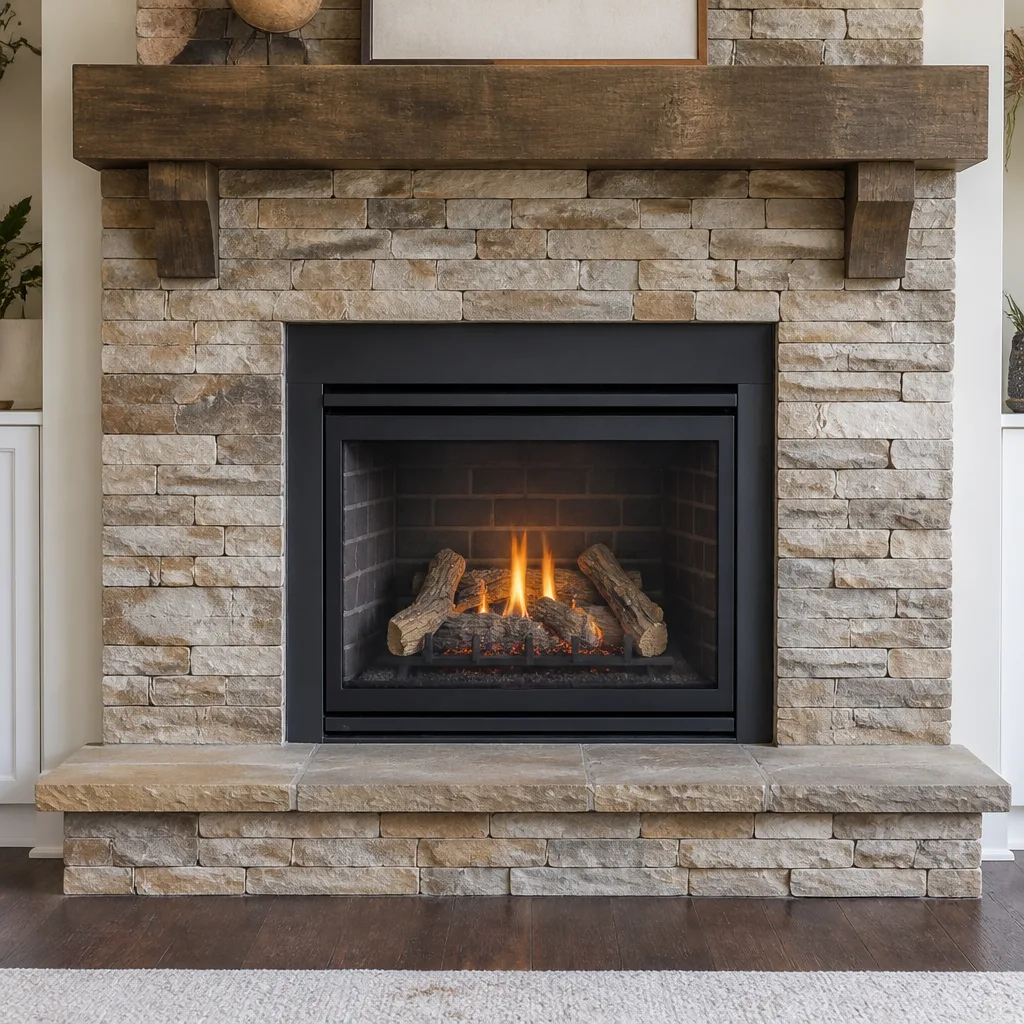 Gas fireplace service
Level 1 sweep and inspection to the NFPA 211 annual standard - flue, crown, cap, and flashing checked and photographed
Chimney sweep logs do not sweep chimneys. They loosen some creosote - which then falls where a brush and vacuum still have to collect it.
Chimney Cleaning Emergency Preparedness Guide for Greeley Homes
A chimney fire doesn’t always announce itself with a roar. Often it’s a low rumble, a series of pops, or a sound homeowners chalk up to wind or a settling house. By the time flames are visible from the roof, the event is already well advanced, and the minutes between that first odd sound and a 911 call matter more than most people realize. This guide is about that window: the roughly 90 minutes after you suspect a chimney fire, smell gas, or see creosote flakes on the roof. It covers how to read the three forms a chimney fire takes, what to do in each, what happens once the fire department clears the scene, and how a Greeley homeowner can prepare before heating season ever starts.
Quick Answer
If you suspect a chimney fire, get everyone out of the house and call 911, then close the damper and any air intakes on the stove if it’s safe to reach them, and don’t use the chimney again until a qualified technician completes a Level 2 inspection. Even if the fire seemed to go out on its own, the flue or the chimney structure may be cracked, and a blocked or damaged flue sends carbon monoxide into the living space instead of up the stack.
Styles & brands we work with
- Sweep & inspection
- Caps & crowns
- Flue relining
- Masonry repair
- Gas fireplace service
Table of Contents
- The Three Forms a Chimney Fire Takes
- The First Minutes: What to Do Step by Step
- What to Tell Greeley Fire Department Dispatch
- After the Fire Department Leaves: Why a Level 2 Inspection Comes Next
- Carbon Monoxide and Chimney Blockage in Northern Colorado
- Pre-Season Emergency Preparedness: What to Have on Hand
- What to Document Before Heating Season
The Three Forms a Chimney Fire Takes
Not every chimney fire looks the same, and the response differs depending on which form you’re dealing with. The most dangerous part of any of them is creosote, the tar-like residue that builds up on flue walls when wood burns cool and slow. A single spark can ignite a heavy creosote load, and once it does, the fire takes one of three shapes.
1. Fast-flaming chimney fire
This is the one people picture. You’ll hear a loud roaring or a sound like a jet engine, sometimes a series of pops, and you may see thick dark smoke and sparks from the top of the chimney. Metal flues can glow dull red. The heat is intense and the fire moves quickly through whatever creosote is present. This demands an immediate 911 call and evacuation.
2. Slow-burning smoldering chimney fire
This is the sneaky one, and in our experience it’s the one most homeowners miss. There’s no roar, no visible smoke from the roof, just a low rumble, a faint rumbling in the chimney, or a smell of burning creosote that doesn’t go away. Some people notice a strange crackling for a few minutes and then it stops. What’s actually happening is that a fire is burning slowly in the flue. The damage can be just as real as a fast-flaming event because the chimney heats and cools unevenly, which stresses the tiles and joints.
3. Extinguished-but-damaged chimney fire
Sometimes a creosote fire burns itself out when it consumes the available fuel, and the house returns to normal within half an hour. The mistake is assuming that’s the end of it. A chimney that has gone through even a small fire can have a cracked flue tile, a warped cap, or a failed mortar joint that you cannot see from the living room. That’s why under no circumstances should a chimney be used again after a fire until it has been inspected and cleared.
The First Minutes: What to Do Step by Step
The first ninety minutes after you suspect a chimney fire are about getting people safe and containing the fire until the fire department arrives. Follow these steps in order.
- Get everyone out. That’s the first step, before anything else. Don’t stay to watch. Don’t go back in for pets if the fire looks active. Get to a neighbor’s yard or the sidewalk and stay there.
- Call 911. Even if the roar has stopped. Even if you only got a whiff of creosote smoke and a low rumble. The fire department would rather make a run to a smoldering flue than arrive at a house already catching fire.
- Close the damper. If the stove or fireplace damper is not already closed, and if you can reach it without opening the firebox door toward a visibly active fire, close it. That cuts off the air feeding the chimney. The same applies to any air controls on a wood stove or insert.
- Don’t spray water into the chimney. A sudden shot of water into a hot flue can crack the tiles or the liner. The fire department or a chimney professional will handle extinguishing from the right place.
- Watch the roof. From outside, look for sparks, dark smoke, or a glow near the chimney cap. If you see any of these, tell dispatch when they ask what you observe.
- Don’t turn on the heat or run appliances. Leave everything as it is until the fire department has had a chance to check the house.
- Wait for the all-clear. The fire department will tell you when it is safe to go back inside. That’s the signal to start thinking about what comes next, not before.
What to Tell Greeley Fire Department Dispatch
When you call 911 in Greeley, dispatch will ask a series of questions. Being clear and specific helps them respond faster and with the right resources. Here’s what to have ready in the moment, or beforehand if you can.
- The address. Give the full street number and length of the block. Greeley’s blocks run long in some neighborhoods, so “about a block from the cross street” can be helpful.
- The type of chimney. Is it a masonry chimney, a metal chimney, or a gas insert flue? Fire crews handle each a little differently.
- What you’re hearing. A roar, a rumble, a low popping sound, or nothing at all? Say what you actually notice rather than what you think it is.
- What you’re seeing. Smoke, sparks, flames from the roof, or a smell of hot creosote. If smoke is filling the house, that changes the urgency. Say it.
- Whether anyone is still inside. And if anyone has mobility or medical issues. That goes up the priority chain quickly.
- Whether the fire has spread. If you saw glowing in the wall or attic before you left, say so. It helps dispatch decide whether to send a full response.
- Your contact number and where you’re standing. If you’re the person who knows the house, tell them where you’ll be so responders can find you.
If you’re in the Greeley area, it’s worth having the non-emergency line for Greeley Fire Department and the local utility number (for a gas leak, in particular) somewhere on the fridge. Emergencies are always 911; the non-emergency line is for things like a routine chimney smell after hours with no fire symptoms.
After the Fire Department Leaves: Why a Level 2 Inspection Comes Next
A chimney that has been through a fire is not cleared for use just because the fire is out. This is the point where many homeowners in Greeley get into trouble: the fire crew checks the house, confirms no spread, and leaves, and the homeowner assumes they can light a fire the next evening. They can’t. The fire department checks for the fire in your house. A Level 2 inspection checks the condition of the chimney itself.
What a Level 2 inspection involves
A Level 2 inspection is a more thorough assessment than the basic annual check. The technician will:
- Inspect the chimney from the outside, including the cap, crown, flashing, and the flue top.
- Scan the inside of the flue, typically with a camera, to look for cracked tiles, gaps in joints, and liner damage.
- Check the areas around the chimney, including the attic and any accessible crawl spaces, for signs of heat or soot where it shouldn’t be.
- Assess the condition of the firebox, the damper, and any stove or insert connections.
- Review the venting and clearances for the appliance that uses the chimney.
We use a camera during these inspections so the homeowner can see exactly what the technician sees. The written report is the whole record: what’s fine, what needs repair, and what can safely wait. If your flue needs a liner, we install systems from DuraFlex and HeatShield, and we can talk through which one fits the chimney type rather than defaulting to one solution. A restorative system like HeatShield is often the right answer for a flue that has cracked tiles but is otherwise intact; a full relining with DuraFlex is the right answer when the flue is beyond restoring. That’s a conversation you have with evidence in front of you, not on a guess.
Until that inspection is done, the chimney is off-limits. No fires, no insert use, no “just testing it.” If it’s cold and you’re relying on the fireplace for heat, use a backup heat source and treat the fireplace as a project for the week, not a convenience for the evening.
Carbon Monoxide and Chimney Blockage in Northern Colorado
Blocked flues are a common source of carbon monoxide in homes that burn wood, gas, or oil, and in northern Colorado that pattern shows up every winter. A chimney that drafts correctly pushes exhaust out the top. When a flue is blocked by creosote, a bird’s nest, a collapsed tile, or a fallen cap, the exhaust has nowhere to go but back into the house. Carbon monoxide is colorless and odorless, which is why the symptoms are easy to misread.
Telling a CO event apart from the flu
Many CO exposures get mistaken for the flu because the symptoms overlap: headache, dizziness, nausea, fatigue. The differences to watch for are these:
- Timing. Flu symptoms build over days and are tied to illness spreading through the household. CO symptoms tend to appear when you’re near or in the house, especially when the appliance is running, and improve when you leave.
- Multiple people at once. CO exposure affects everyone in the house, including pets, at the same time and roughly the same way. Flu usually hits one person first.
- No fever. CO poisoning doesn’t produce one. Flu often does.
- Relief outdoors. If stepping outside makes the headache fade, that’s a warning sign, not a coincidence.
If you suspect CO, get out, call 911, and don’t go back in until the fire department has measured the air and cleared it. If you have a detector, test it monthly and replace the battery on the manufacturer’s schedule; a dead detector is a decoration, not a safety device. A qualified professional should check the chimney whenever an appliance is running, especially at the start of the heating season.
Pre-Season Emergency Preparedness: What to Have on Hand
Preparedness costs a fraction of a fire call and takes an afternoon. Before heating season starts in Greeley, get these in place.
Safety and detection
- Carbon monoxide detectors on every level of the home and near sleeping areas, tested monthly.
- Smoke detectors on every level, in the hallway outside bedrooms, and inside each bedroom.
- Fire extinguishers on the kitchen and garage walls, with the pressure checked once a year.
- A chimney fire suppressant stick in the house, with its location known to everyone in the household. These are designed to be used on a fire you can see and reach; they don’t replace a 911 call.
Information
- Local emergency contacts on the fridge: 911, the Greeley Fire Department non-emergency line, and the number of a qualified chimney professional.
- A note of the chimney’s last inspection date and what was found. If you’ve never had one, that’s the first thing to fix.
- The appliance manual for any wood stove, gas insert, or fireplace you use, which lists the manufacturer’s venting requirements and clearances.
Storage and access
- A flashlight near the fireplace for checking before you light up.
- Clear access to the chimney cap for the technician’s inspection. If the cap is at the top of a steep roof, don’t go up yourself. That’s a job for someone trained to work at height.
- A note of when the chimney was last swept. If you can’t remember, that’s the answer: it’s due. A proper chimney sweep should be part of the annual routine, not something scheduled after a problem.
What to Document Before Heating Season
Documentation is the least glamorous part of chimney ownership and the one that makes a real difference in an emergency. A fire department, insurance company, or repair technician will ask what you know about the chimney, and a homeowner with a folder and a camera roll is in a much better position than one who’s reconstructing it all on the worst night of the year.
- Photographs. Take pictures of the chimney from outside, from the ground, and inside the firebox before the season starts. If a repair is needed later, you’ll have a before picture to compare.
- The last inspection date, name of the technician or company, and what the report said. Keep the report itself in a folder, not just on a phone that might be charging in another room.
- A record of repairs. Liner replacement, crown repairs, cap replacement, mortar work, and damper fixes. When you took ownership of the home, ask for the chimney’s history. If the previous owner had work done, the paperwork matters.
- A written estimate for any recommended work. If a chimney technician recommends a repair, the estimate should spell out what’s needed and why, and the technician should be able to show you the evidence in a camera image.
- Your home’s venting setup. Sketch or photograph where the flue goes, what appliance it serves, and how it exits the roof. In a multi-appliance home, that information matters during an emergency call.
Get the chimney inspected and swept before heating season, not during. A routine inspection finds the blocked flue, the cracked tile, or the worn cap while there’s still time to schedule the fix. A chimney repair scheduled in September is routine; the same repair scheduled in January is urgent. If you can’t remember the last time either was done, that’s a good time to book.
Common Mistakes to Avoid
- Ignoring a low rumble or popping sound. Homeowners dismiss it as the wind, a settling house, or the refrigerator kicking on. In a chimney, that sound is a warning sign. Don’t wait to see smoke before you call 911.
- Assuming a fire is “out” because it stopped roaring. A slow-burning smoldering chimney fire can burn for a long time and cause just as much damage as a fast one. The inspection is what tells you whether it’s over, not the noise level.
- Using the chimney again after a fire without an inspection. This is the mistake that turns a contained event into a structural problem. A cracked flue tile or a warped cap needs a trained eye and a camera to find.
- Spraying water down the flue. A sudden temperature change can crack or damage the chimney. Let the fire department handle it.
- Relying on a carbon monoxide detector with a dead battery. Test it monthly and replace the battery on the manufacturer’s schedule. CO is silent, and the detector is the only warning you get.
- Burning unseasoned or green wood in Greeley’s cold months. Wet wood burns cool and slow, which is exactly how creosote builds up. Season your wood properly and store it where it stays dry.
- Skipping the annual inspection because “the chimney looks fine from the driveway.” Most chimney problems are inside the flue, out of sight. A camera inspection is the only way to know what’s going on in there.
See the difference
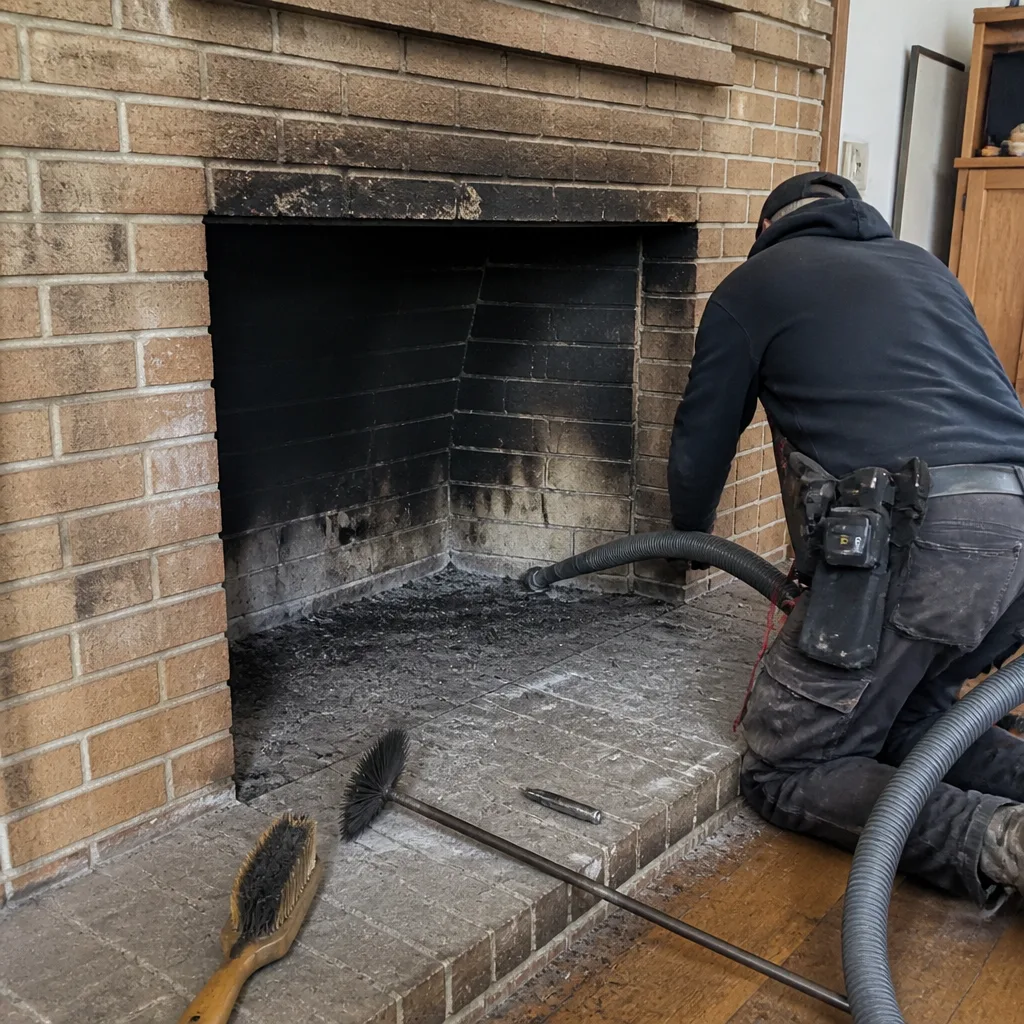 Before
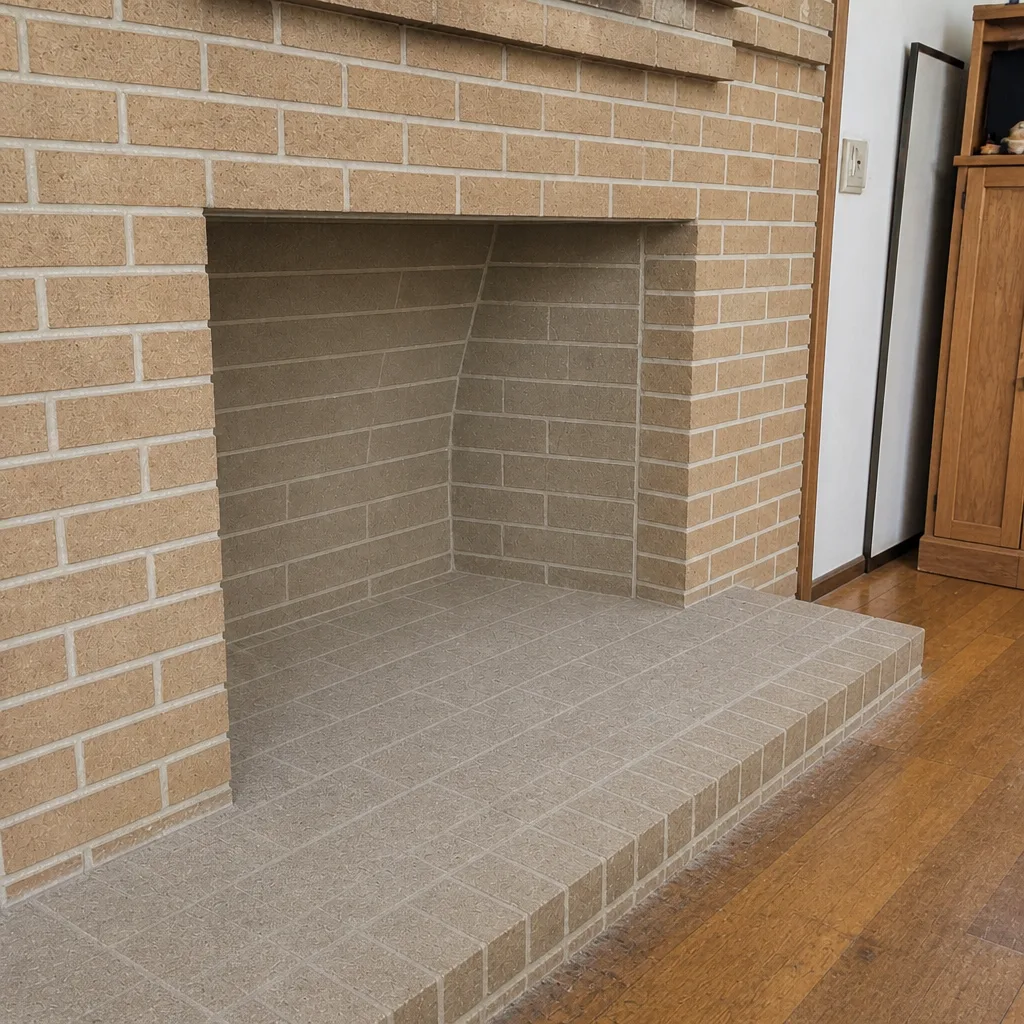 After
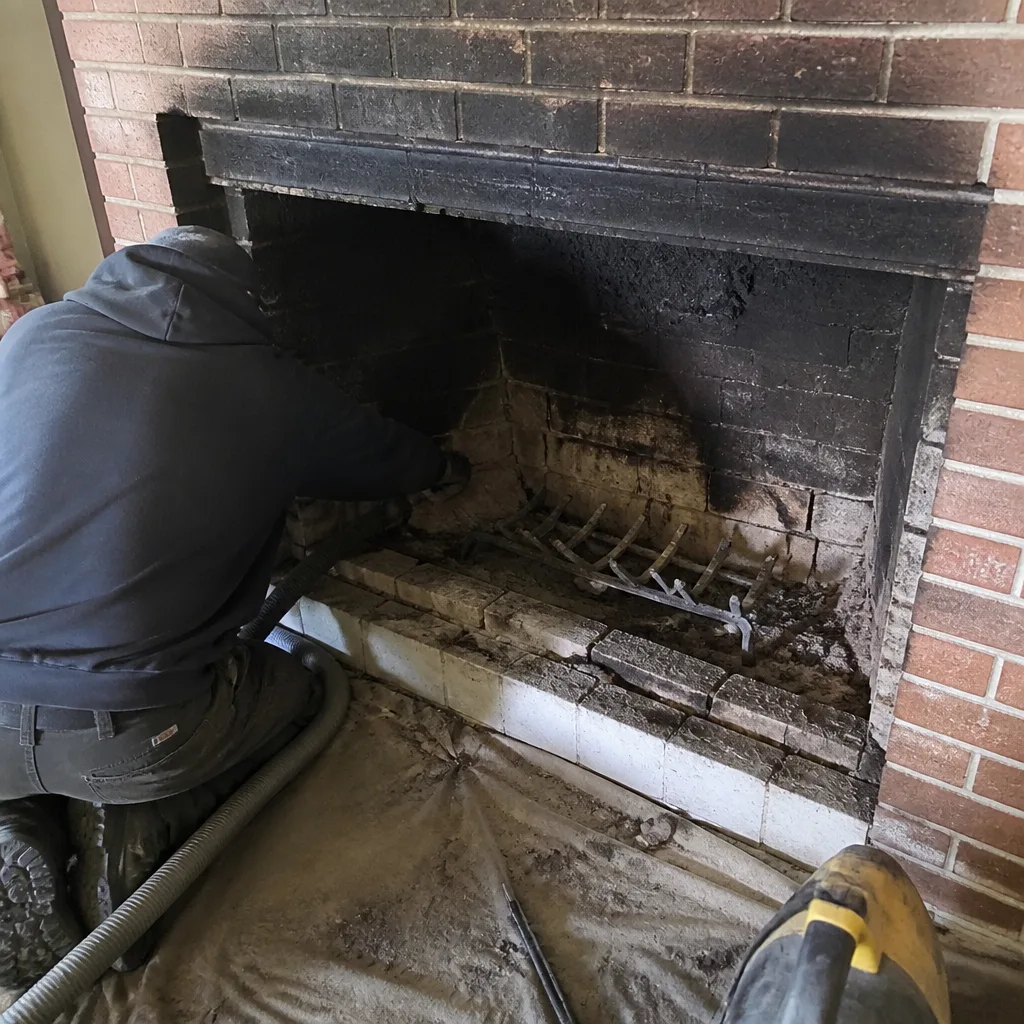 Before
 After
 Before
 After
When to Call a Professional
Some chimney situations call for a professional and some don’t. Call a chimney professional if you’ve had any chimney fire, even one that seemed minor; if you smell creosote or gas when the fireplace is running; if you see soot, stains, or white streaks on the exterior of the chimney; if your carbon monoxide detector has gone off; if your chimney has never been inspected or you can’t remember the last time; or if it’s been more than a year since the last sweep. Call the fire department first if there’s active fire, smoke in the house, or a suspected CO event. Once the scene is clear, a qualified technician takes over. We work in chimneys only, which means every technician on the job is doing chimney work year-round and knows what to look for in a Greeley home. Chimney Sweep Greeley offers free estimates in Greeley. Call (855) 632-3564. We answer 24/7. Fast dispatch from 7am to 7pm, Sunday through Friday.
Frequently Asked Questions
A standard chimney sweep in Greeley typically runs in a modest range, and the written estimate sets the final price before any work starts. The cost depends on the type of appliance, the condition of the flue, and whether an inspection is included. Call (855) 632-3564 for an exact quote. Estimates are free. We answer 24/7. Fast dispatch from 7am to 7pm, Sunday through Friday.
Not always. A camera inspection tells you whether the flue is intact or damaged, and the answer varies. A flue with cracked tiles but an otherwise sound structure can often be restored with a HeatShield system, which is less invasive than full relining. A flue that’s beyond restoring calls for a full liner, and we install DuraFlex systems for that. The point is that the liner decision comes from what the camera shows, not from a guess. Call (855) 632-3564 to book an inspection. Estimates are free.
Once a year is the standard recommendation for a wood-burning chimney that gets regular use, and more often if you burn a lot of wood or notice heavy creosote. A gas appliance chimney still needs an annual inspection even though it produces less creosote, because blockages and venting problems happen in gas flues too. Call (855) 632-3564 to schedule a sweep. Estimates are free.
Creosote builds up on the flue walls, and at a certain thickness it becomes a fire hazard. A blocked or heavily coated flue also drafts poorly, which sends more exhaust back into the house and raises carbon monoxide risk. The annual sweep is the cheap, simple version of the problem; a chimney fire is the expensive version. Call (855) 632-3564 for a free estimate on a sweep.
No. Even a small fire can crack a flue tile or damage a joint that you can’t see from the living room, and using the chimney again before a Level 2 inspection risks a carbon monoxide problem or a structural failure. Wait for the inspection report before you light another fire. Call (855) 632-3564 to book the inspection. Estimates are free.
Get everyone out of the house, call 911, and stay out until the fire department has measured the air and cleared it. Don’t open windows and wait to see if the alarm stops; treat it as real until it’s proven otherwise. Once the scene is clear, a chimney professional can find the source, which is often a blocked or damaged flue. Call (855) 632-3564 for a Chimney Sweep Greeley inspection. Estimates are free.
The Bottom Line
A chimney emergency is mostly about the ninety minutes after you notice something is wrong, and the decisions in that window are simpler than they feel: get out, call 911, close the damper if you can reach it safely, and don’t use the chimney again until a professional has inspected it. The three forms a chimney fire takes (fast-flaming, smoldering, and extinguished-but-damaged) all leave damage that only a camera inspection can find. A Level 2 inspection is what clears a flue for use afterward. And the preparedness work done before heating season, from CO detectors to a camera inspection to a documented chimney history, is what makes the emergency itself shorter and less expensive. From inspection to repair, handled by the same specialists, is what we do.
If you’re in Greeley and want your chimney checked before the cold settles in, or you’re dealing with the aftermath of a fire and need a Level 2 inspection, we can help. A proper sweep and inspection is a straightforward, affordable step. The alternative, a chimney fire or a carbon monoxide event, is not. Call (855) 632-3564 for a free estimate. We answer 24/7. Fast dispatch from 7am to 7pm, Sunday through Friday.
Written by the team at Chimney Sweep Greeley.