
Last updated November 15, 2026
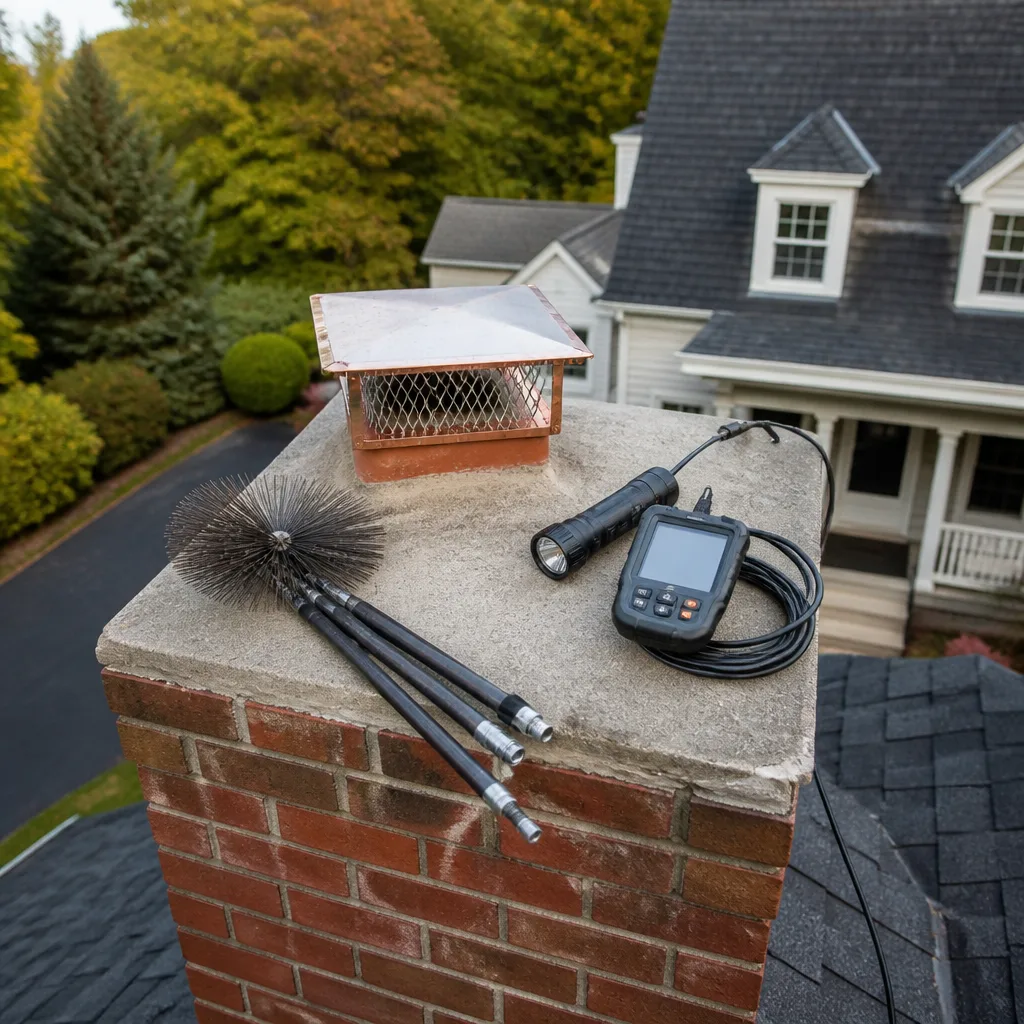 Sweep & inspection
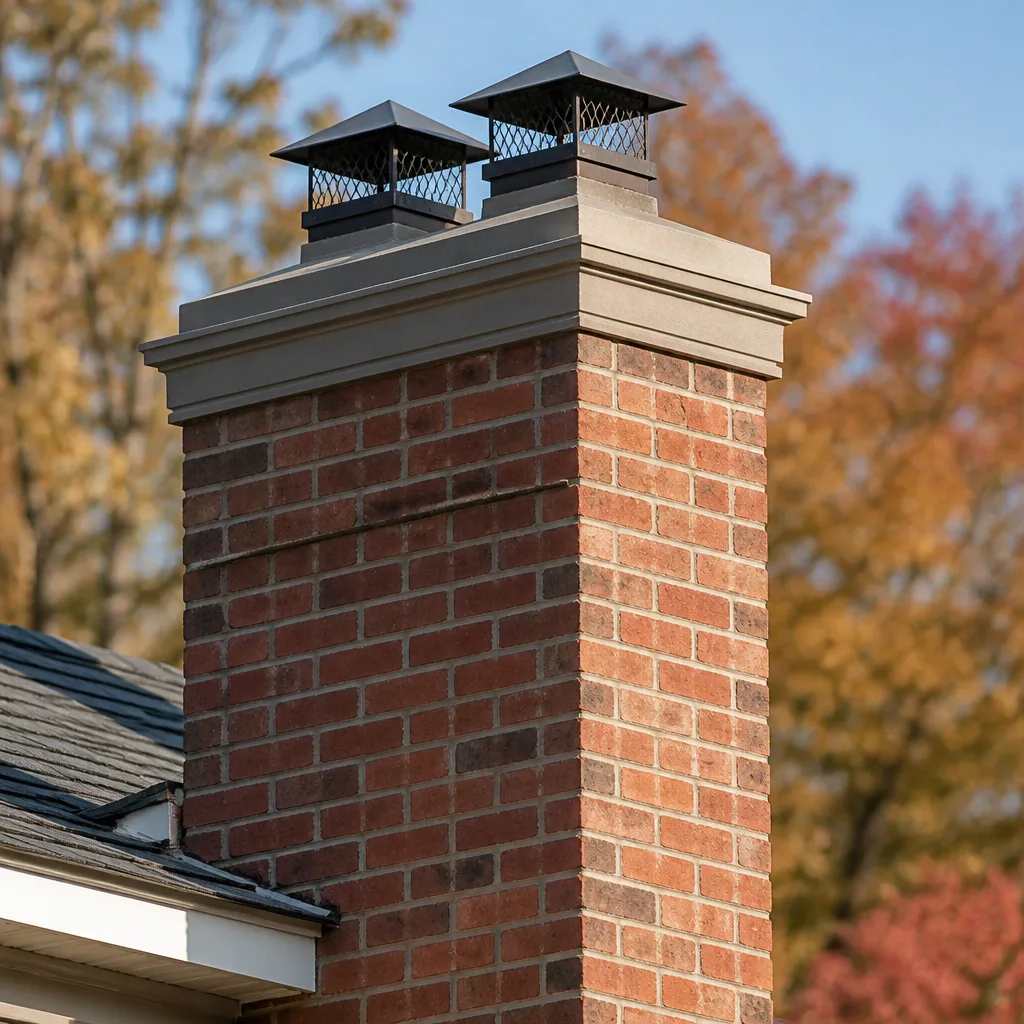 Caps & crowns
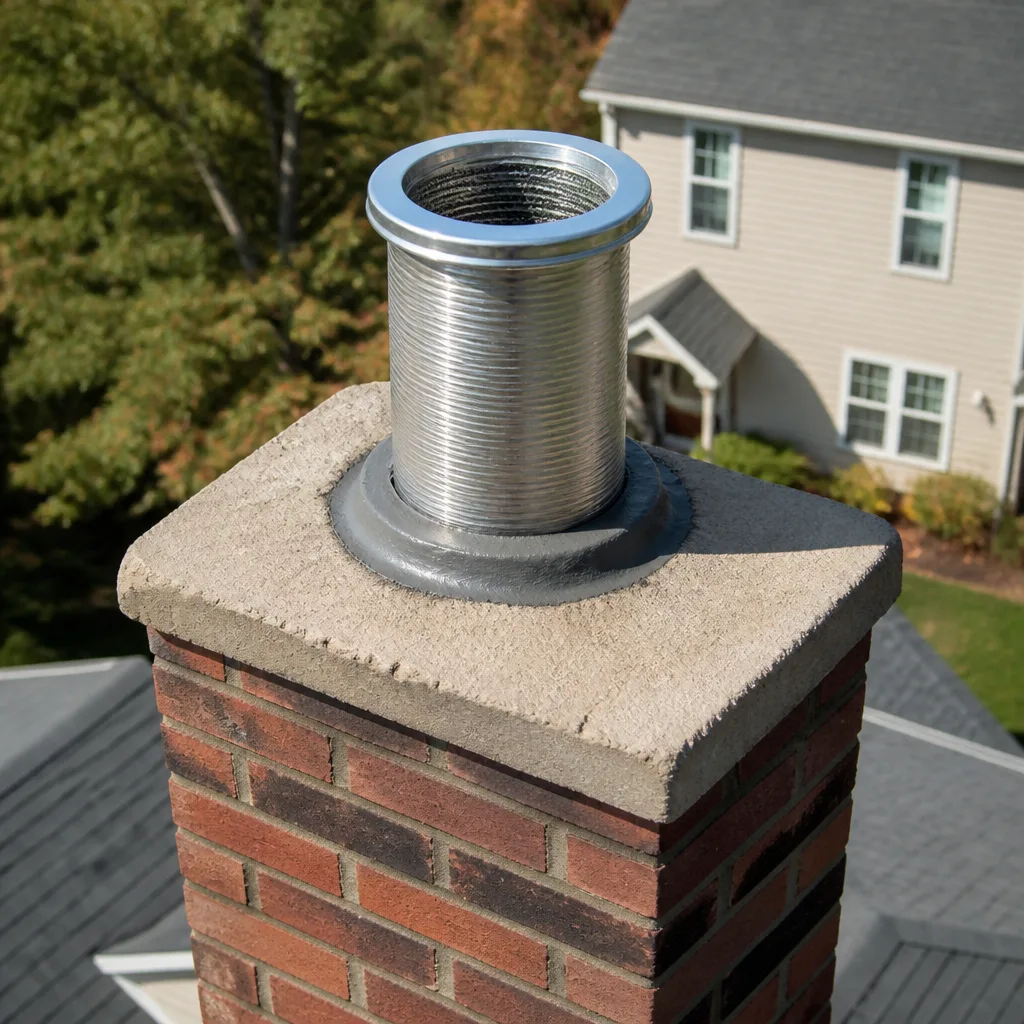 Flue relining
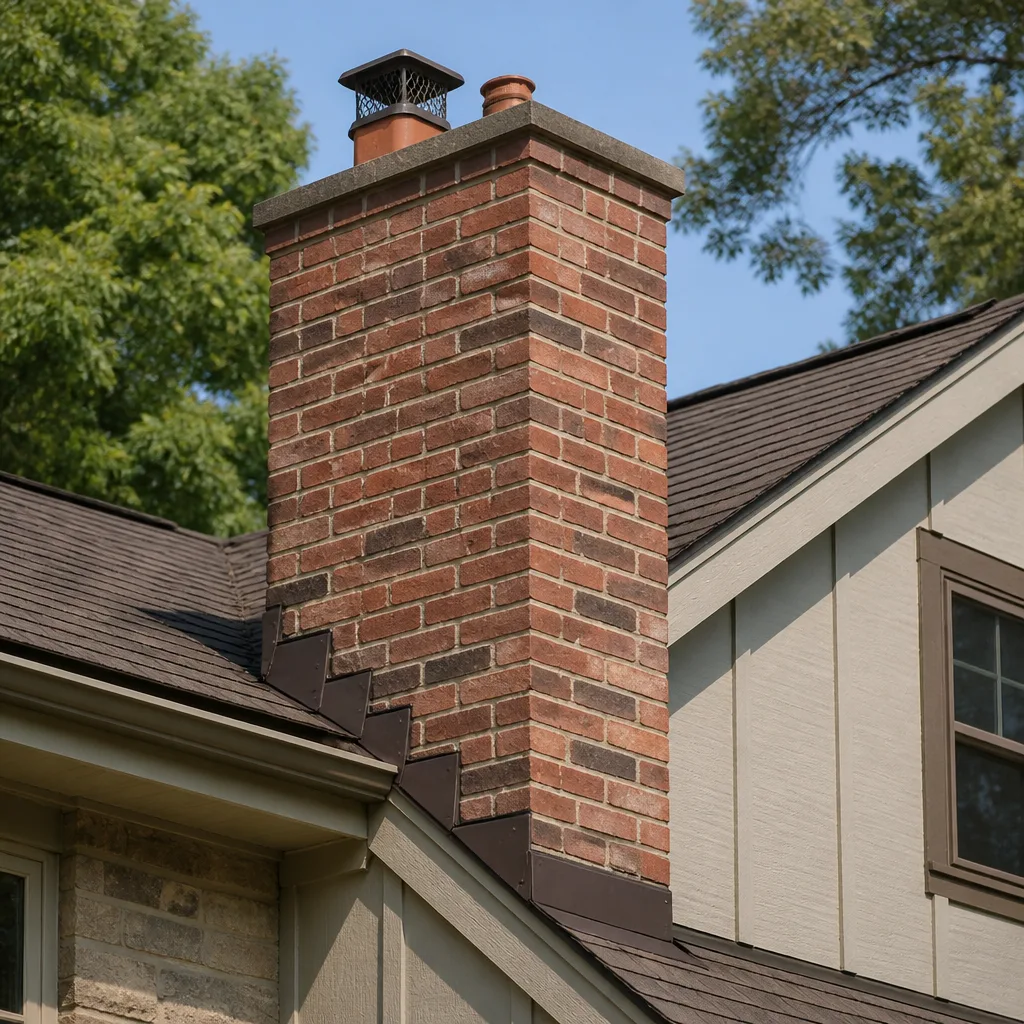 Masonry repair
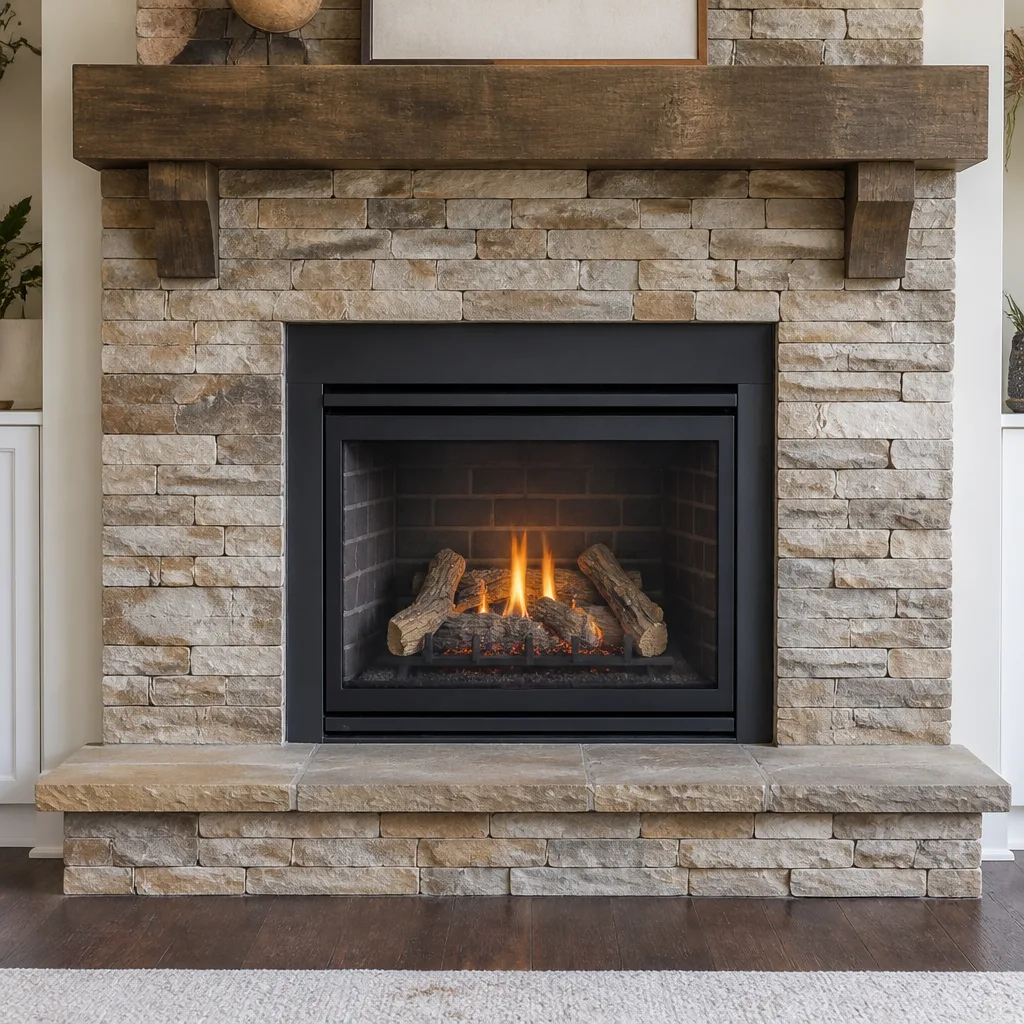 Gas fireplace service
Level 1 sweep and inspection to the NFPA 211 annual standard - flue, crown, cap, and flashing checked and photographed
Chimney sweep logs do not sweep chimneys. They loosen some creosote - which then falls where a brush and vacuum still have to collect it.
How to Hire a Chimney Cleaning Contractor in Greeley: A Step-by-Step Guide
Plenty of people assume the hard part is finding someone who will show up. In Greeley, it isn’t. A quick search turns up dozens of names, and most of them will schedule you. The harder part is telling a dedicated chimney specialist apart from a handyman who added “chimney cleaning” to a service list last spring. Both have a website. Both have a van. The inspection report they hand you looks nearly identical, right up until the day something goes wrong inside the flue and you find out which one actually knew what they were looking at. A CSIA certification, after all, takes real coursework and an exam. A sticker on the side of a truck takes about five minutes.
This guide walks you through what to verify, what to ask before you book, how to read an estimate, and which review signals actually tell you something about technical competence. By the end you’ll know how to hire a chimney sweep in Greeley with confidence instead of guesswork.
Quick Answer
To hire a chimney cleaning contractor in Greeley, verify three things before you book: CSIA certification, a willingness to put an inspection report in writing, and the ability to explain precisely what your chimney needs and why. Ask what brand of liner systems they install and what your flue is made of. A genuine specialist answers those questions the same way every time. A generalist deflects, or answers vaguely and promises a quote when they arrive.
Styles & brands we work with
- Sweep & inspection
- Caps & crowns
- Flue relining
- Masonry repair
- Gas fireplace service
Table of Contents
- Why Chimney Work Rewards a Specialist
- The Credentials That Actually Matter
- Four Questions to Ask Before You Book
- What a Legitimate Written Estimate Includes
- Level 1, Level 2, and Level 3 Inspections Explained
- Red Flags Specific to Chimney Contractors
- How to Read Reviews for Chimney Work
- What Greeley’s Climate Means for Your Chimney
- Common Mistakes to Avoid
- When to Call a Professional
- Frequently Asked Questions
Why Chimney Work Rewards a Specialist
Chimney work is a narrow trade that sits oddly between masonry, venting, and combustion science. A technician who works in chimneys every day learns how creosote builds up differently in a wood stove than in an open fireplace. They learn to read a smoke chamber for the kind of pitting that signals the inside of the flue is coming apart. They learn what a gas insert’s venting should look like when it’s installed correctly.
A generalist doesn’t. Not because they’re careless, but because it isn’t their daily work. You can spot the difference in a few ways once you know where to look.
Here in Greeley, we hear from a lot of homeowners who’ve had a sweep done by a general handyman outfit and then discovered months later that the flue never actually got inspected. That’s the risk. Cleaning a chimney and evaluating a chimney are two different jobs that happen in the same hour. Skipping the second one is easy when it isn’t your specialty.
We work in chimneys only. It’s all we do, and that focus is the whole reason we can tell you with confidence what your fireplace needs. It’s also why we can tell you, without embarrassment, when it needs nothing and you should wait until next season.
A specialist will also know the difference between restorative repair and full relining, and which one your chimney actually calls for. Not every cracked flue joint needs a new liner. Some need restorative work. That distinction is worth real money, and it’s exactly the kind of judgment a specialist brings and a generalist pages past.
The Credentials That Actually Matter
There are more certifications floating around the chimney trade than most homeowners realize, and not all of them mean much. Three are worth your attention when you’re choosing a contractor in Greeley.
CSIA Certified Chimney Sweep
The Chimney Safety Institute of America (CSIA) certification is the one to check first. It requires coursework, a proctored examination, and continuing education to maintain. A contractor who carries it can be asked to show documentation. A contractor who doesn’t may still be competent, but they haven’t put themselves through that evaluation. When you call to book, ask directly: “Are you CSIA certified?” A straight “yes, and I can show you the credentials” is what you’re listening for.
NFI certification for gas appliance work
The National Fireplace Institute (NFI) certifies technicians who work on gas fireplaces and insert venting. If your home has a gas insert, this one matters. Gas leads to carbon monoxide risk when venting fails, and the technician who services it should be certified to work on that specific appliance type, not just on wood-burning flues.
What each credential actually licenses
Here’s the piece people often miss. CSIA certification covers wood and solid-fuel chimney sweeping and inspection. NFI covers gas appliance service and installation. Together they cover the two major fire types a Greeley homeowner is likely to have. If a contractor claims a certification that doesn’t line up with either of those, ask specifically what the credential covers.
Other documents to check: a current business license, liability insurance, and workers’ compensation coverage. Any contractor who hedges on providing proof of insurance is a risk you don’t need to take.
Four Questions to Ask Before You Book
This is where the wheat separates itself from the chaff. Ask these four questions, in this order, and listen carefully to how each is answered. A specialist answers all four without research. A generalist struggles with at least two.
- What exactly does a Level 2 inspection include, and when do you recommend one? A specialist will explain that a Level 2 inspection involves the attic and rooftop access as well as the flue, and is called for after any change in the appliance, a chimney fire, or a property sale. They will know the levels without hesitation. A generalist will say “that’s what we do” and change the subject.
- What brand of liner systems do you install, and why those? A dedicated contractor installs specific brands they trust and can tell you which type of chimney each is right for. DuraFlex flexible liners, for example, are a common choice for retrofits and replacements. HeatShield products serve a different purpose, restorative repair of a damaged flue joint without pulling the whole liner. If they can’t name a system, they don’t install systems.
- Do you provide the inspection report in writing, and can I see the camera footage? A chimney sweep should include a camera inspection and a photo report. If video is available, you should be able to see what they’re describing. A technician who can’t show you the inside of their own report is not one to hire.
- Who does the repair work, and is it the same company? Chimney sweeping, inspection, and repair belong in the same set of hands. When a sweep outfit hands off repair work to a third party, the diagnosis and the fix don’t always match. Ask directly, and don’t accept “we have a guy” as an answer.
What a Legitimate Written Estimate Includes
A written estimate is a sign of professionalism, but not all written estimates are created equal. Some parts of a good one are missing from a weak one that still has a company letterhead and a dollar amount on it.
A legitimate estimate will typically contain:
- The scope of work in plain language, listing what will be done, not just the price.
- The specific condition found during inspection and the condition it will be in after repair.
- Materials being installed, named by brand, with the system type (for example, a DuraFlex flexible liner or a HeatShield restorative seal, each with its intended use).
- A line for permits, if required by the local building department. Ask whether a permit is needed for your job and whether the contractor handles it.
- Any exclusions, such as repairs that will need to be addressed separately because they weren’t visible during inspection.
- Payment terms and the invoice total, not just a rough number.
What should raise a concern:
- A single-line estimate with just a dollar amount and “chimney repair”.
- A quote given without a written inspection report.
- Pressure to sign and authorize repair work on the same visit before you’ve had time to read the report.
- Any price that’s stated as a range in conversation and then locked in as a fixed number on paper without the scope to back it up.
Estimates are estimates. They don’t become final prices until the work is scheduled, and the written scope is the document that anchors everything. A contractor who hands you a scope you can understand is one you can hold to it.
Level 1, Level 2, and Level 3 Inspections Explained
The National Fire Protection Association (NFPA) publishes Standard 211, which defines the three levels of chimney inspection. Most homeowners have never heard these terms, and a contractor who can’t explain them cleanly is telling you something about how they work.
Level 1 inspection
A Level 1 inspection is the default when your chimney is in regular use and hasn’t had any changes. The technician examines all readily accessible parts of the chimney system: the firebox, damper, smoke chamber, flue, and the appliance connection. No camera is typically needed unless something looks off. This is what comes bundled with a routine chimney sweep for most homes.
Level 2 inspection
A Level 2 inspection is called for after any of the following: a chimney fire, a change in fuel type or appliance, a property sale or transfer, or an earthquake or other event that may have shifted the structure. It adds a camera inspection of the interior flue, access to the attic and crawl spaces, and rooftop access to inspect the exterior of the chimney. This is the level most often skipped when it should be done.
Level 3 inspection
A Level 3 inspection is the most invasive. It’s performed when a Level 1 or Level 2 uncovers a problem that can’t be evaluated through normal access, and it may involve removing parts of the chimney or building structure. Level 3 is rare, and it’s the one to ask questions about before authorizing.
If your prospective contractor can’t define these three levels without a pause, that’s a strong signal you’re talking to someone who isn’t doing inspections as a core part of their work. In our experience, it’s one of the simplest and most reliable screens available to a homeowner.
Red Flags Specific to Chimney Contractors
Some warning signs are common across all home services. A few are particular to chimney work, and they tend to show up in the same places.
Reluctance to provide a written inspection report. The report is the record of what your chimney looked like on the day it was inspected. A contractor who resists putting it in writing, or who says “I’ll just tell you what I found,” is asking you to trust a memory you can’t check. Insist on paper.
Pressure to authorize repairs same day without a written scope. Chimney problems do exist and sometimes are urgent, but urgency is not a reason to skip the estimate. A technician who hands you a bill before a report is pressuring, not helping.
Inability to explain the difference between inspection levels. As covered above, this is the fastest way to spot a generalist. If they don’t know a Level 1 from a Level 2, they aren’t inspecting chimneys as their core work.
No brand names for liners or materials. Professional liner and sealant products come from specific, recognized manufacturers. Ask which ones they install and why. Vagueness here usually means drop-in materials or no installation capability at all.
Not being able to tell you the condition of the flue in plain language. You’re entitled to a description you can understand: how much creosote, what stage, where the damage is, and what the risk is. If the explanation is all jargon and hand-waving, ask for a plain one. A real specialist welcomes that question.
How to Read Reviews for Chimney Work
Most homeowners read reviews looking for general satisfaction. That’s useful, but it’s not enough for chimney work. You want to know whether past customers came away understanding their own chimney, and whether the recommended work held up.
Signals of technical competence in a review:
- Specific language about what was found: “showed us a video of the flue,” “explained the creosote stage,” “identified a cracked flue tile we didn’t know about.”
- Mentions of a written report or a camera inspection included in the visit.
- Description of the technician answering questions about the system, not just being polite.
- Reviews that mention the same names across visit types (sweep, repair, follow-up), suggesting the same team handles the whole job.
Signals of general customer service only:
- “Friendly and on time” with no mention of what was found or explained.
- Reviews that describe the price as good without describing the work.
- A cluster of glowing reviews that all mention the same adjective and no specifics. These can be genuine, but they don’t tell you much about technical skill.
Combined, these two sets give you a better picture than either alone. A technician who is both clear in explaining and pleasant to deal with is someone to keep. A technician who is pleasant but can’t explain your flue is someone to pass on.
What Greeley’s Climate Means for Your Chimney
Greeley’s front-range climate is a factor in how chimneys age and how often they need sweeping. The heating season runs long and cold, and the shoulder months bring temperature swings that put stress on masonry and venting systems. Flues that sit through freeze-thaw cycles tend to develop cracks at the joints sooner than in milder climates.
That has two practical implications for hiring. First, the local technician you work with should be familiar with the specific patterns of wear in this region: the way creosote accumulates in colder months, the way masonry cracks present after a hard freeze, the venting behavior of gas appliances in high-altitude conditions. Second, the inspection schedule should account for the long heating season. A sweep before the burning season begins is not a formality here. It’s the practical step that keeps a flue from being pushed into service in a condition nobody’s checked.
Homes across Greeley, from the older neighborhoods near downtown to the newer builds toward the edges, tend to have different chimney construction and different venting systems. A specialist who’s worked in this market knows the range.
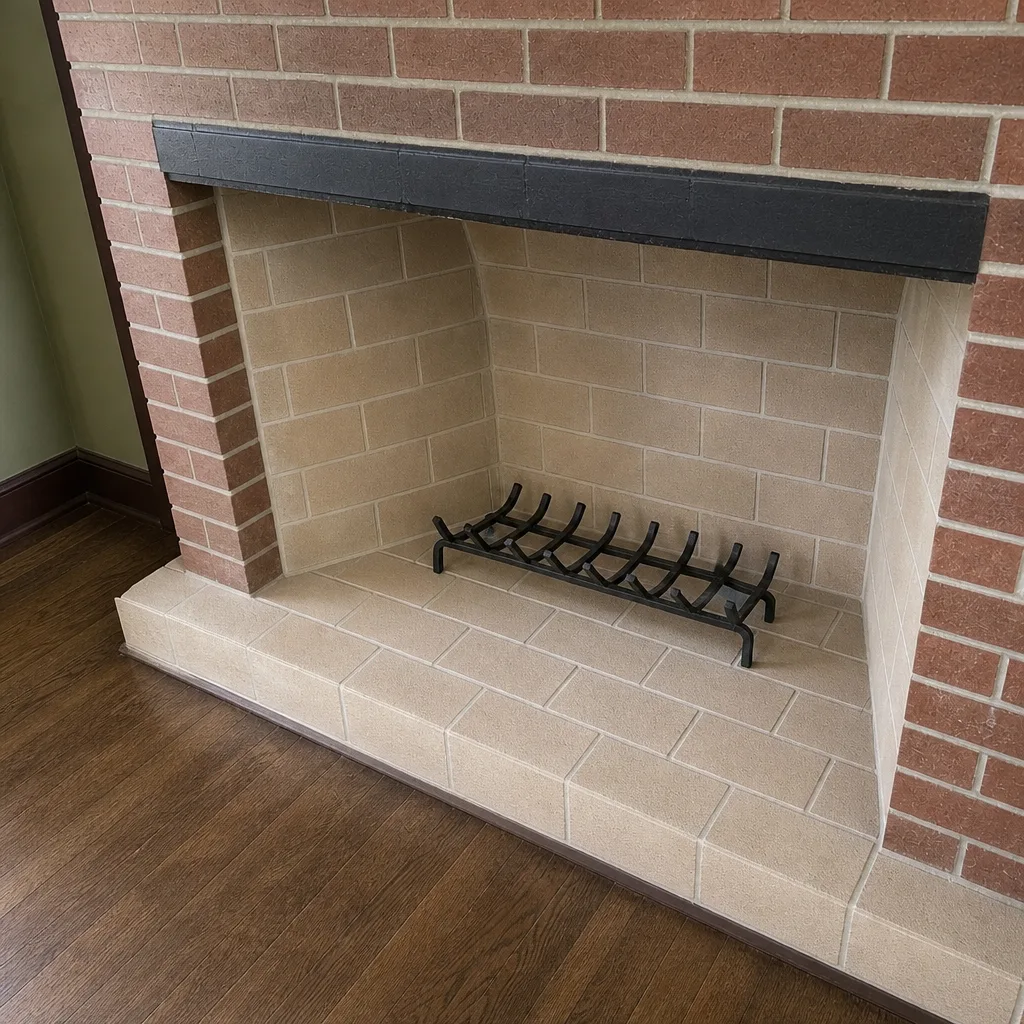
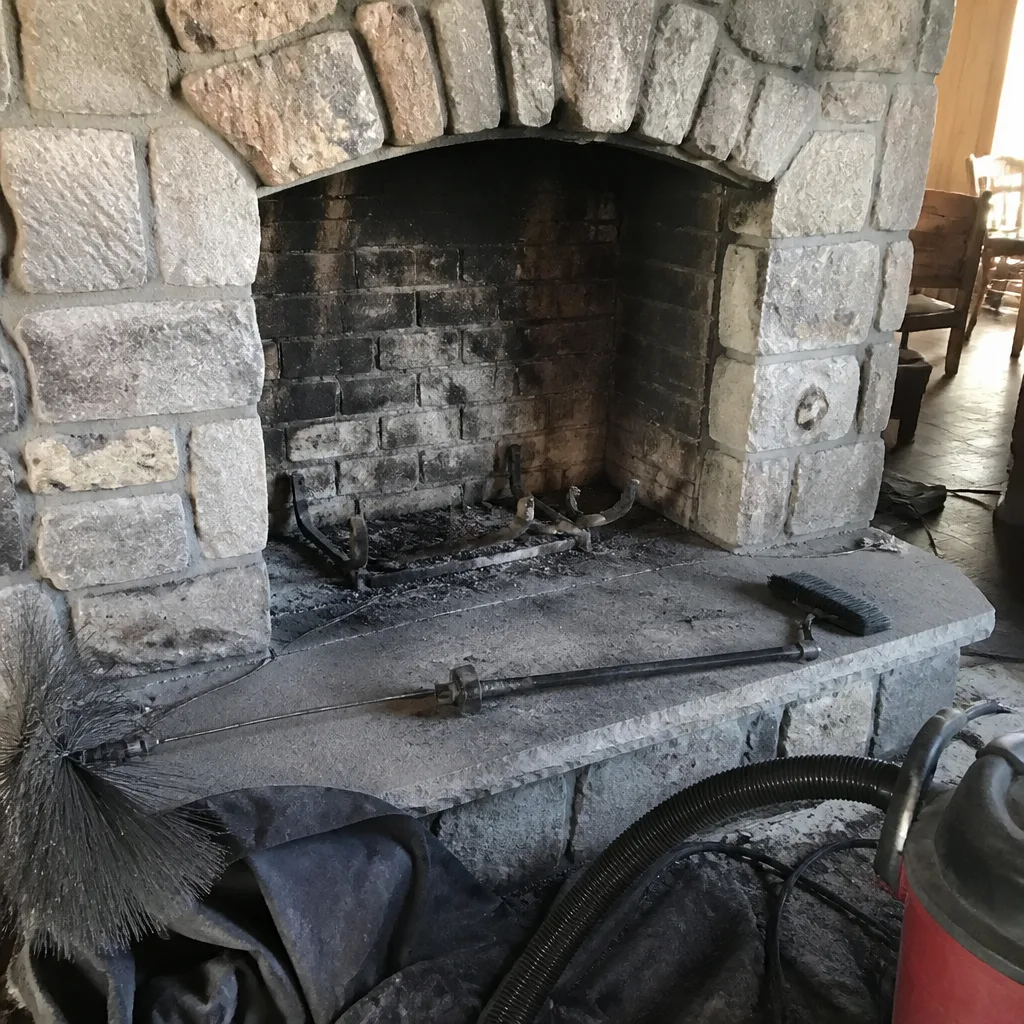
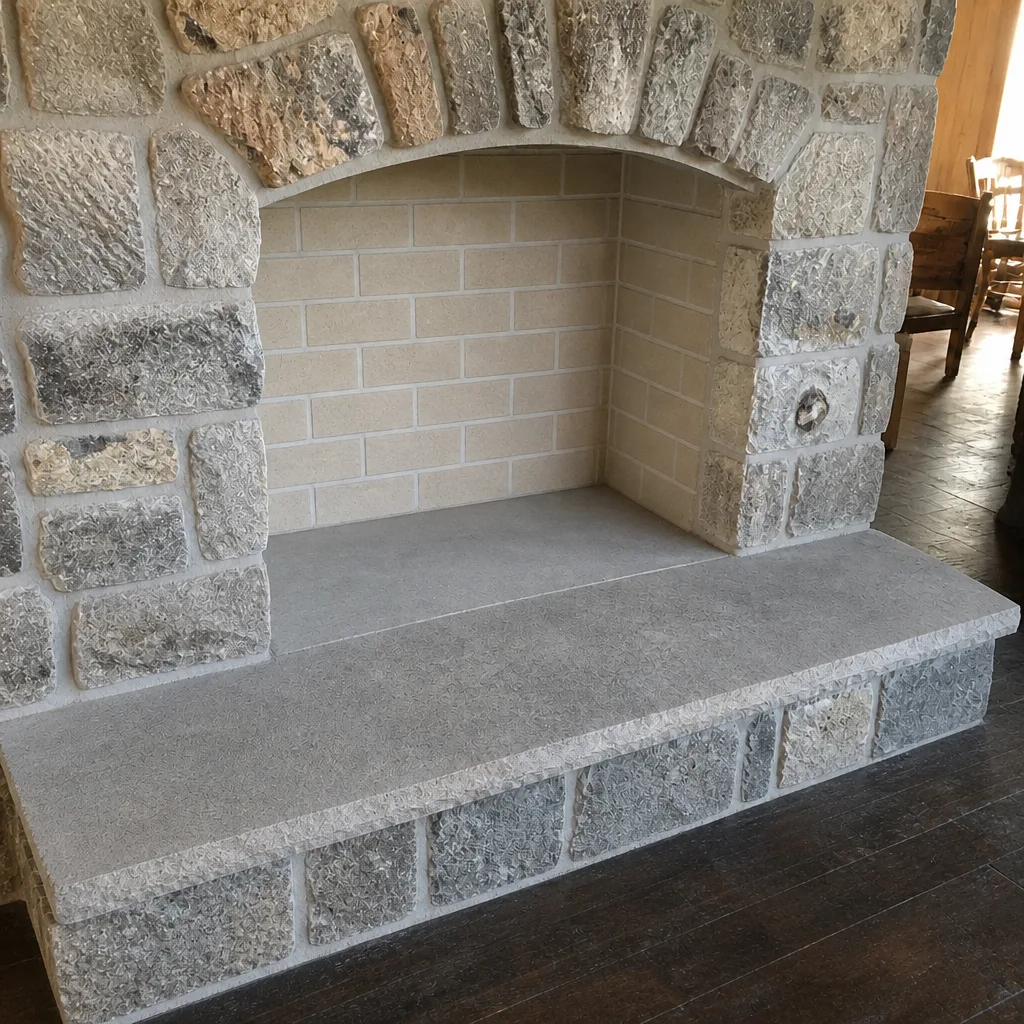
See the difference
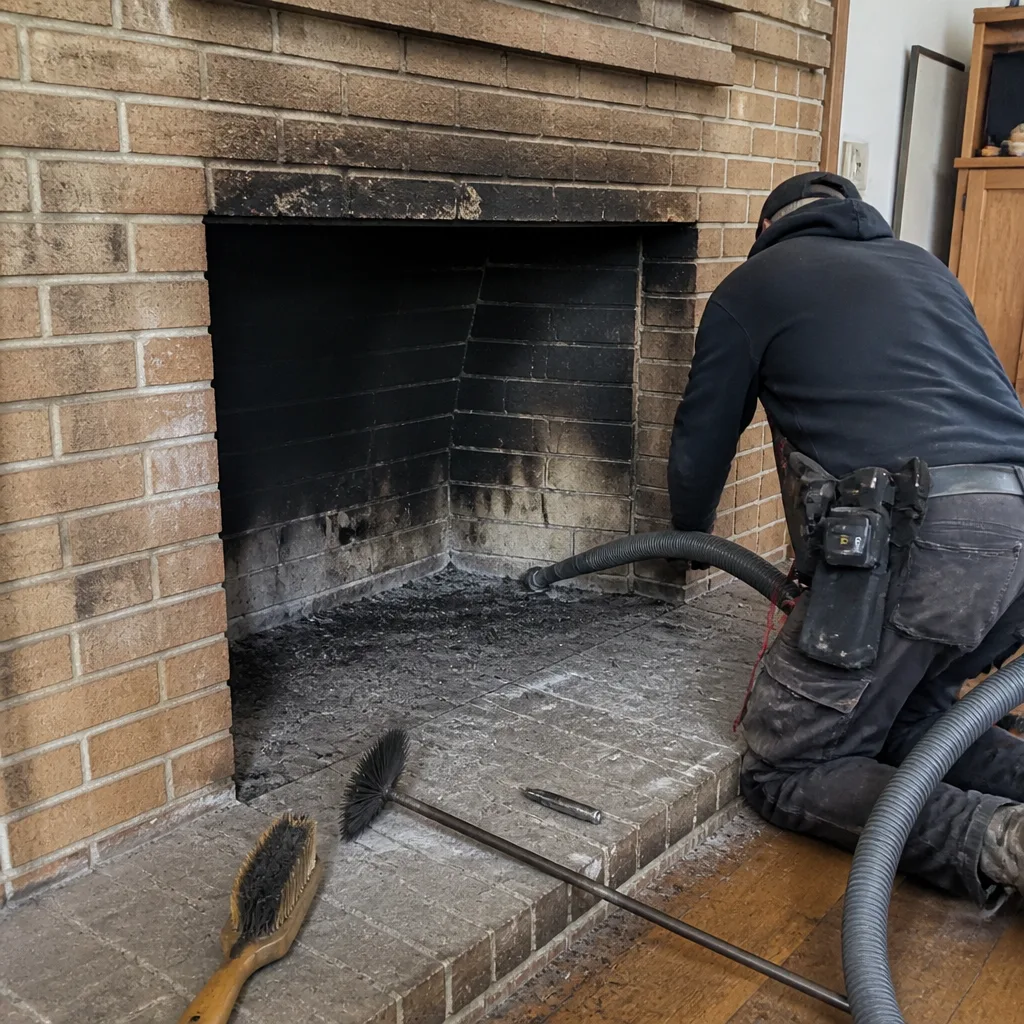 Before
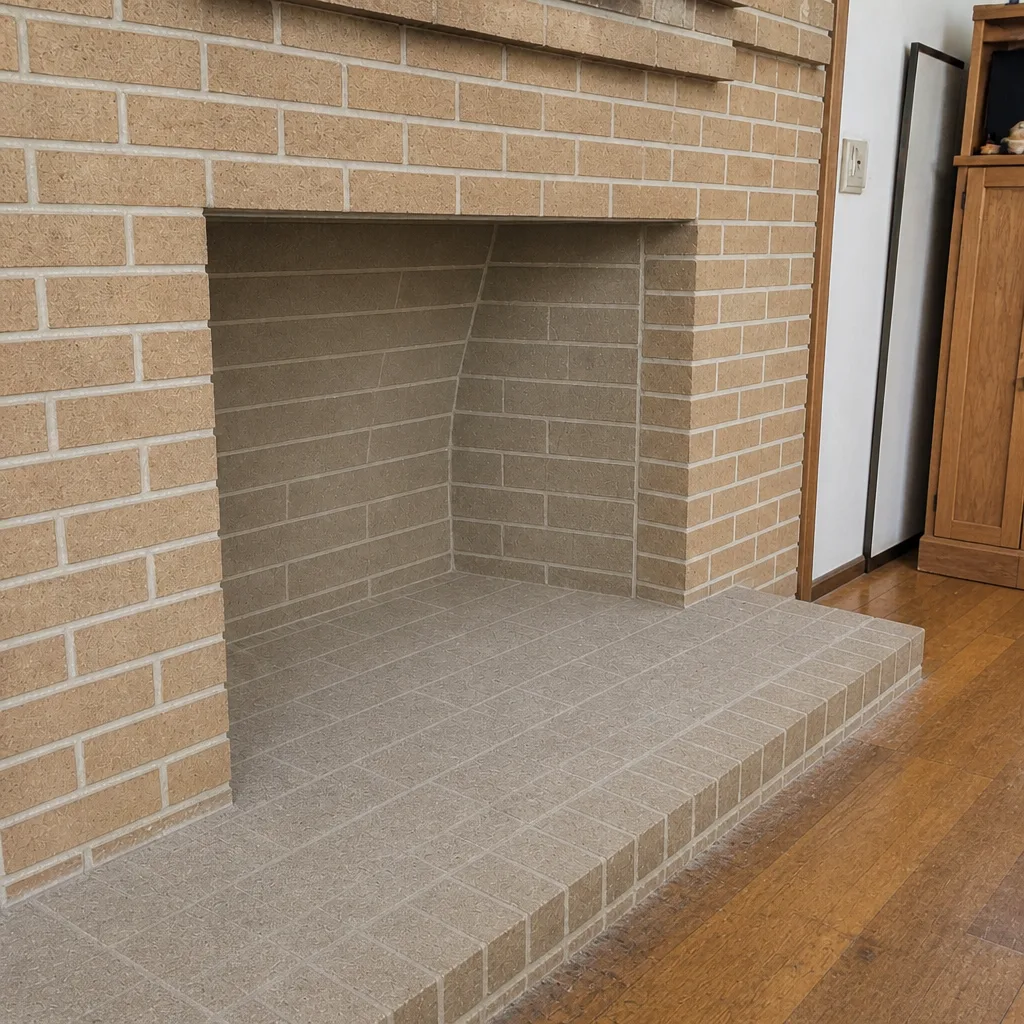 After
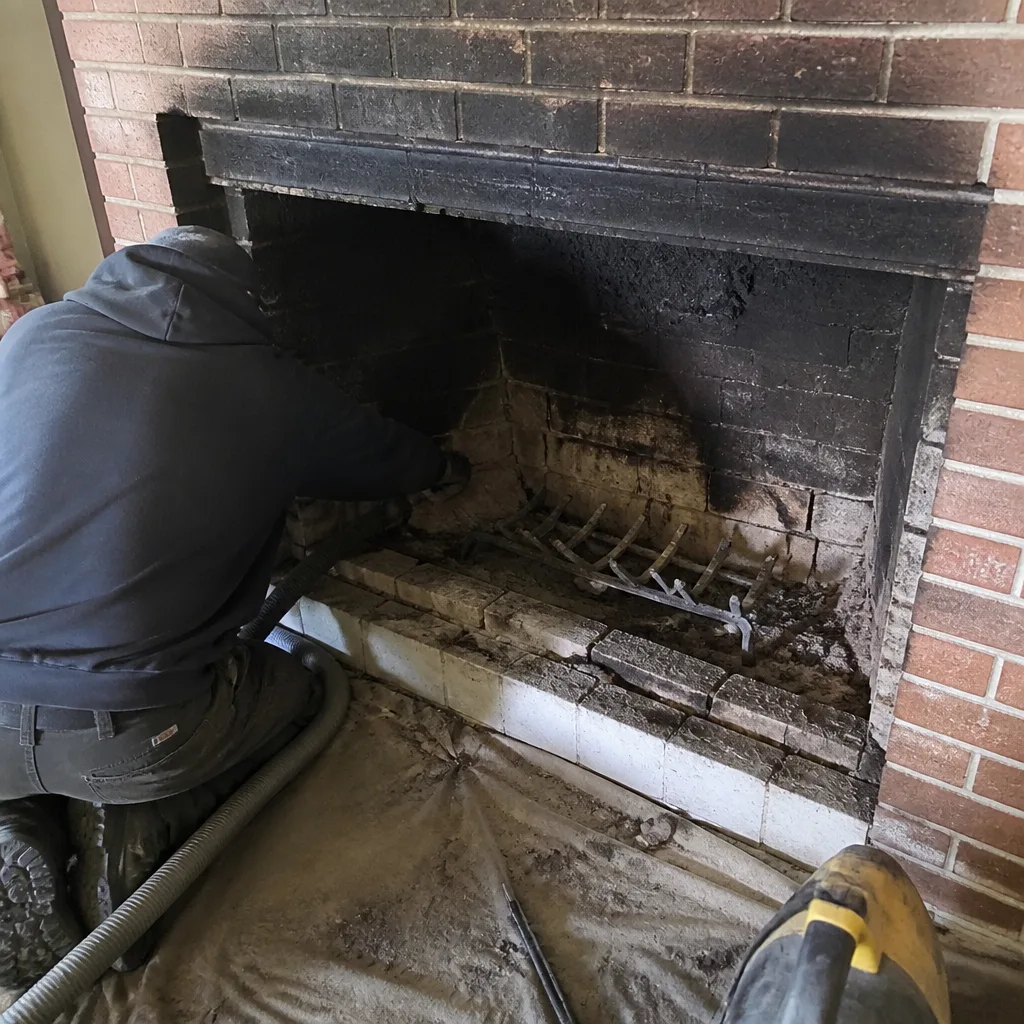 Before
 After
 Before
 After
Common Mistakes to Avoid
- Hiring on price alone. The lowest quote in Greeley is often a sweep without an inspection, and that’s a fraction of the job. The cleaning happens in the same visit as the evaluation. If a quote only covers one, ask what’s missing.
- Skipping the inspection report. A sweep with no written report means you have no record of your chimney’s condition. When something goes wrong later, you’ll wish you had the documentation from that first visit.
- Assuming a generalist can do the work. A handyman can brush a flue. The hard part is knowing what to look for and what the conditions mean. That judgment is the whole reason to hire a specialist.
- Authorizing repairs without a scope. Pressure to sign a work order on the spot is a warning, not a courtesy. Get the written scope, take a day, ask questions.
- Ignoring the difference between repair and relining. A flue that’s cracked at the joints may only need restorative sealing. A flue that’s failed structurally may need a full liner. These are different jobs at different price levels, and the distinction matters.
- Scheduling a sweep only after problems start. The evidence of a chimney’s condition often shows up long before the symptoms do. A sweep before the burning season catches what a sweep after the symptoms misses.
- Overlooking the gas appliance. A gas insert needs its own inspection and its own certification (NFI). A wood-sweep-only outfit may not be set up for it. Ask.
When to Call a Professional
A few situations should move you from thinking about it to making the call.
You’ve moved into a new home in Greeley and don’t know the chimney’s history. You’re using the fireplace or wood stove regularly and haven’t had it inspected in over a year. You’ve had a chimney fire, even a small one, or you smell smoke in the house on cold evenings. You’re switching fuels or installing a new appliance. You’re hearing a hollow sound when you tap the flue or seeing crumbling material at the firebox. Any of those is a reason to have a technician look at the system before burning season.
Once you’ve got a diagnosis, the repair work follows from it. Chimney Sweep Greeley offers free estimates in Greeley. Call (855) 632-3564. We answer 24/7. Fast dispatch from 7am to 7pm, Sunday through Friday.
Frequently Asked Questions
Chimney sweeping in Greeley is priced per job, with the final cost set by the written estimate after inspection. That’s because a sweep without an inspection isn’t the same job as a sweep with one, and the condition of the flue determines what’s actually involved. The estimate is free, and it’s the right place to start if you want a number you can count on rather than a guess. Call (855) 632-3564 for your free estimate.
Not always. Some cracked flue joints can be repaired with a restorative seal system like HeatShield, which reinforces the existing liner without full replacement. Other failures, particularly structural, call for a new liner. The distinction comes down to what the camera inspection shows, and it’s the difference between a repair and a reline. Never authorize a liner replacement without seeing the footage and the written finding.
Most wood-burning chimneys should be swept once a year, or more often if you burn heavily or use unseasoned wood. Gas appliances should be inspected annually as well, even though they produce less creosote. In Greeley, the practical recommendation is to book before the burning season so the inspection catches anything that happened over the warmer months. Call (855) 632-3564 for a free estimate and we’ll talk through your specific fireplace and usage.
Creosote builds up on the interior of the flue, and glazed creosote, the hardened third-stage kind, is what fuels most chimney fires. It’s not a theoretical risk. The injury and property damage from a chimney fire are real, and the fire can ignite without obvious warning. Carbon monoxide is a separate concern for gas appliances, where a blocked or damaged vent can push exhaust back into the home. Skipping a sweep doesn’t mean nothing happens; it means nobody is checking. Call (855) 632-3564 to get the inspection done and know where you stand.
A handyman can brush the flue, but the value of a sweep comes from the inspection that goes with it. A specialist knows what a Level 2 inspection covers, how to read a camera inspection, and which repair the flue actually needs. A generalist does not, and the risk is that the report you receive is missing the part that mattered. For a chimney in Greeley, hire the specialist.
A proper report describes what was found in plain language: the creosote condition, the condition of the flue, the firebox, the damper, the crown, and any venting connections. It should name the type of repair or service recommended and include photos or video from the camera inspection. A report without images is a report you can’t verify. Ask to see the footage and ask for the written copy before any work is authorized.
The Bottom Line
Hiring a chimney contractor in Greeley comes down to three things: proof of specialty, proof of inspection, and proof of scope. Verify CSIA certification, ask the four diagnostic questions before you book, and never authorize repair work without a written estimate and a camera report you can see. The brands a contractor installs tell you whether they actually do repair work or just sweep: DuraFlex flexible liners and HeatShield restorative sealing are two markers to recognize. Reviews help, but read them for technical detail, not just friendliness. Get the report, take your time with it, and call when you’re ready to book a real chimney repair if the inspection finds something.
If you’d rather skip the screening process and work with a specialist who handles the inspection, the sweep, and the repair under one roof, Chimney Sweep Greeley is ready to help. Call (855) 632-3564 for a free estimate. We answer 24/7. Fast dispatch from 7am to 7pm, Sunday through Friday.
Written by the team at Chimney Sweep Greeley.