
Last updated November 15, 2026
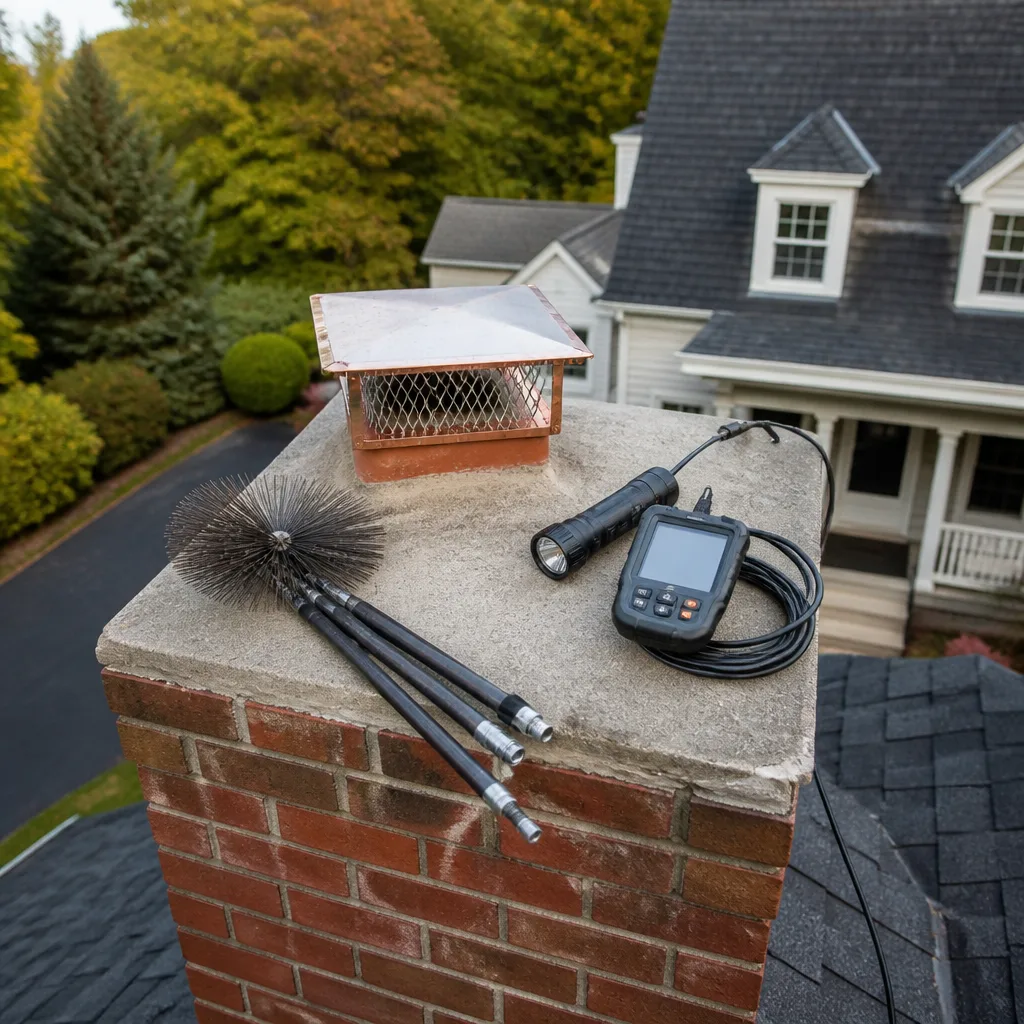 Sweep & inspection
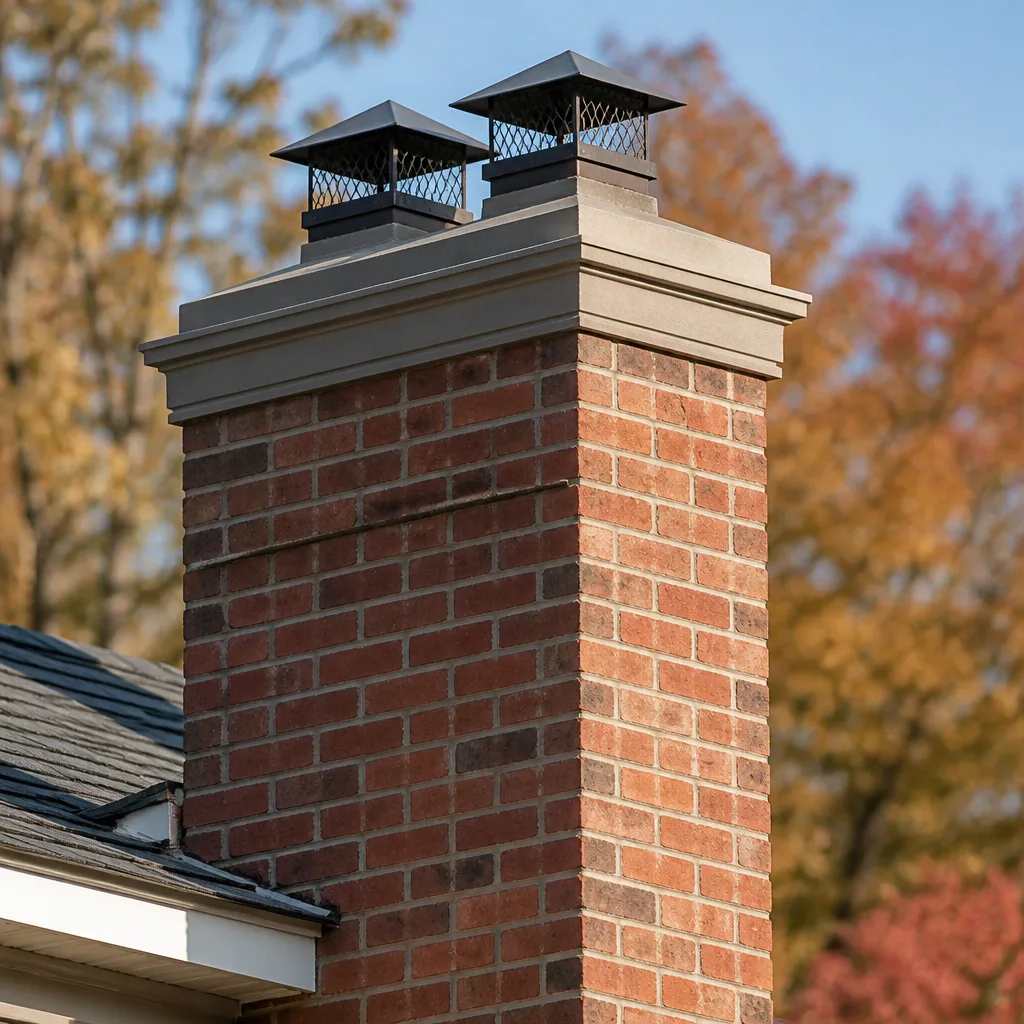 Caps & crowns
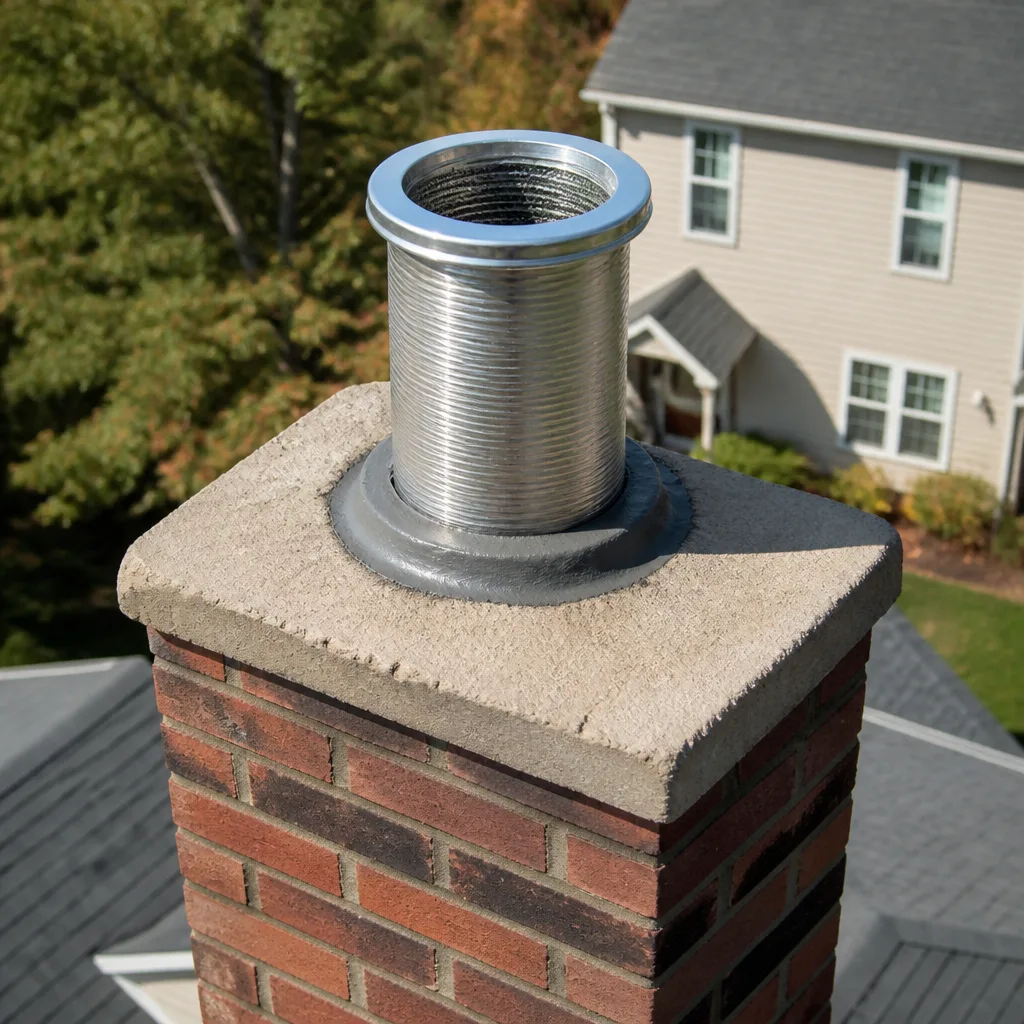 Flue relining
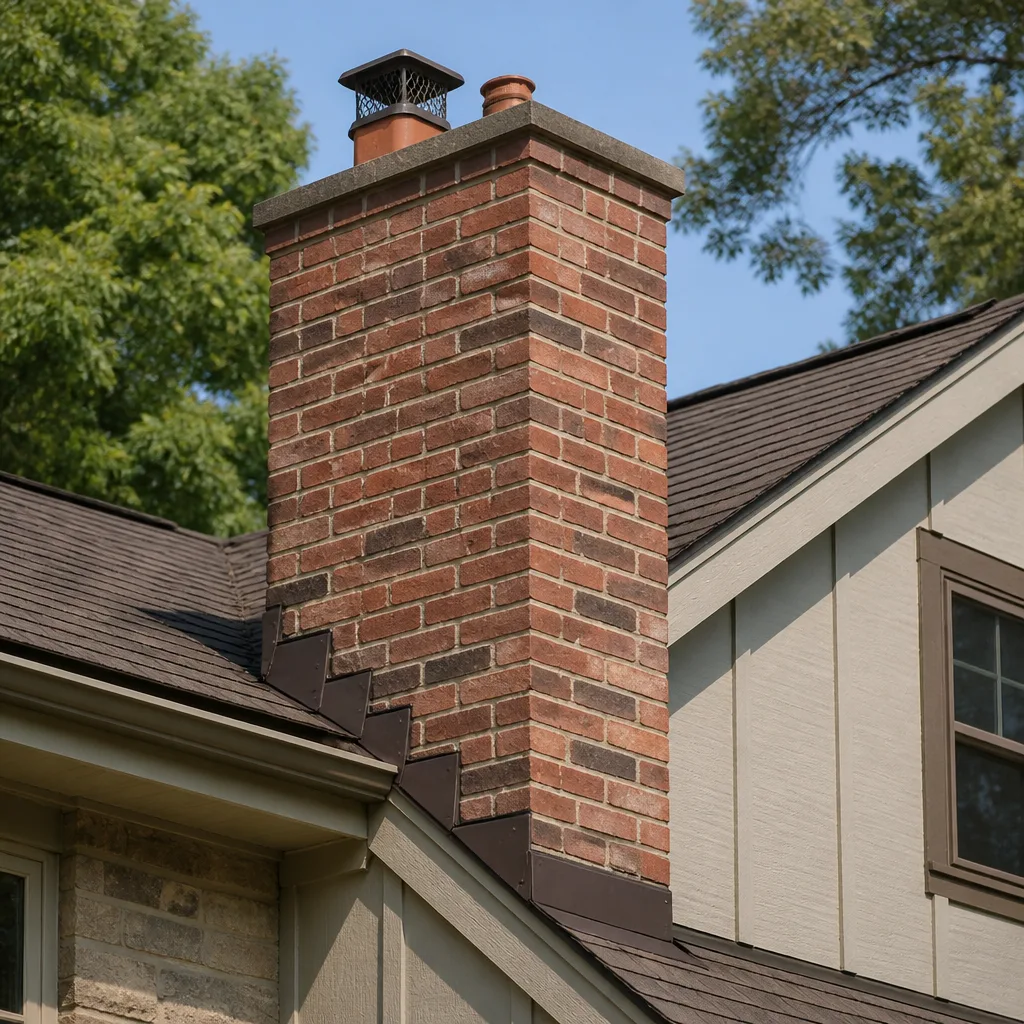 Masonry repair
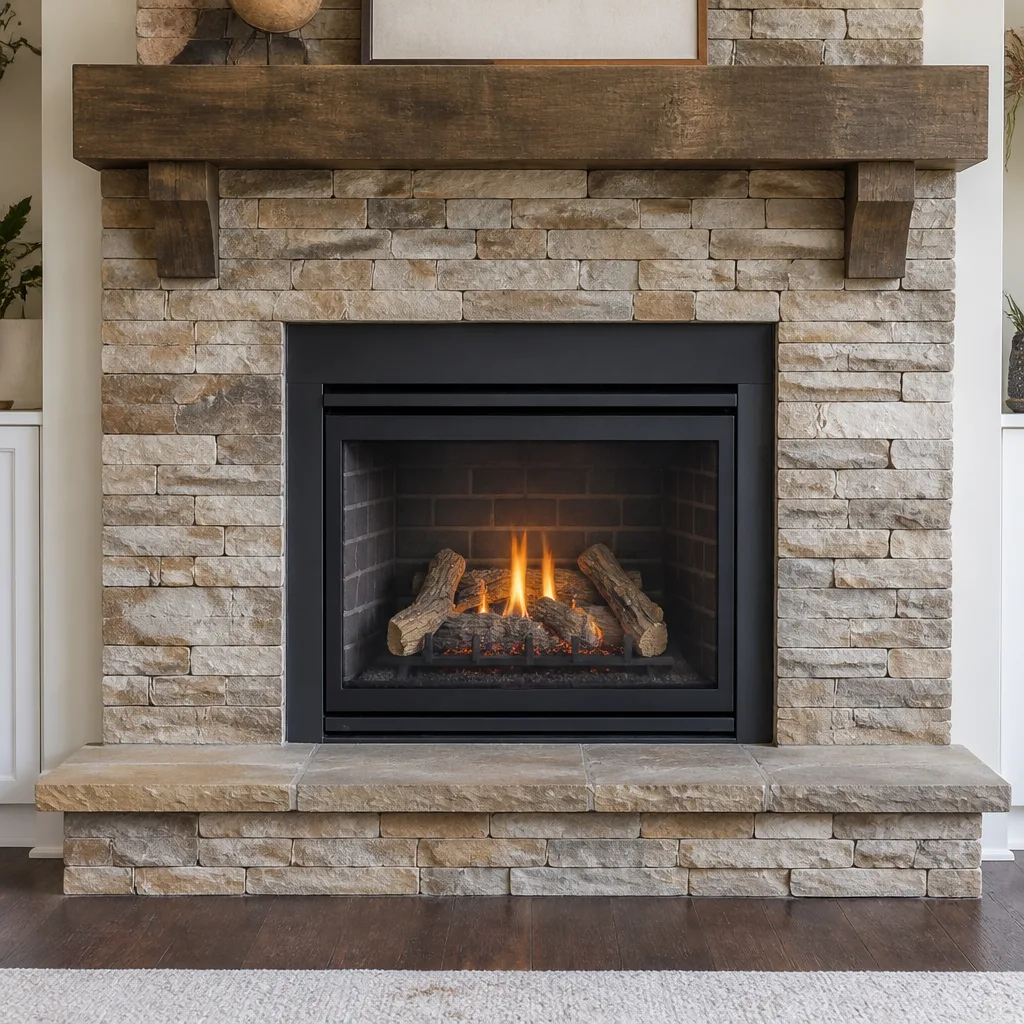 Gas fireplace service
Level 1 sweep and inspection to the NFPA 211 annual standard - flue, crown, cap, and flashing checked and photographed
Chimney sweep logs do not sweep chimneys. They loosen some creosote - which then falls where a brush and vacuum still have to collect it.
Chimney Cleaning Permits, Codes & Inspections in Greeley, CO: What You Need to Know
Most homeowners assume chimney work stays off the permit radar entirely. Cleaning is maintenance, right? Except in Greeley, it often isn’t that simple. A liner replacement, a firebox rebuild, or a wood-to-gas conversion can cross into permit territory, and work done without one can surface as an open item during a home sale inspection. That’s an expensive surprise nobody plans for. This guide walks through which chimney services need a permit from the City of Greeley Building Department and which don’t, how NFPA 211 shapes what inspectors look for, where Colorado rules and Greeley code overlap, and the questions to ask a contractor before major work starts. You’ll leave knowing how to verify a permit was actually pulled and why the paperwork matters to your insurer.
Quick Answer
In Greeley, routine chimney cleaning and annual inspection are maintenance tasks and generally need no permit. Structural or system changes do: liner replacement, firebox rebuilds, chimney caps tied to structural repair, and appliance conversions such as moving from wood to a gas insert typically require a permit from the City of Greeley Building Department. The work is evaluated against NFPA 211, the national chimney standard Greeley inspectors reference, and unpermitted chimney work can become a liability at resale and a problem for an insurance claim.
Styles & brands we work with
- Sweep & inspection
- Caps & crowns
- Flue relining
- Masonry repair
- Gas fireplace service
Table of Contents
- Which chimney services in Greeley need a permit, and which don’t
- How NFPA 211 shapes what Greeley inspectors look for
- Colorado wood-burning rules and gas insert conversions
- What to ask a contractor about permit status
- How to verify a permit was actually pulled
- How chimney compliance affects your insurance claim
- What a chimney inspection in Greeley involves
- Chimney documentation and the home sale
Which chimney services in Greeley need a permit, and which don’t
The clearest way to sort this is by whether the work changes the chimney system or simply maintains it. Cleaning removes creosote and debris from a flue that stays as it was. That’s maintenance. Replacing a liner, rebuilding a firebox, or swapping the appliance changes the system, and Greeley treats those as permitted work.
Here’s how the split generally falls:
- No permit typically required: routine chimney sweep service, a Level 1 or Level 2 inspection, cap replacement where it’s a like-for-like cover swap, and minor mortar touch-ups that don’t alter structure.
- Permit typically required: liner installation or replacement, firebox rebuild, chimney reconstruction, a new appliance installation, and any conversion between fuel types.
We always recommend confirming with the City of Greeley Building Department directly, because the scope of a job can shift once a technician is on the roof. What looks like a cap swap can reveal a cracked crown that needs structural work. What looks like a simple cleaning can uncover a liner that’s failed. When that happens, the smart move is to stop, confirm whether a permit applies, and pull one before continuing.
Greeley’s housing stock runs from older homes near downtown to newer builds on the city’s edges, and the age of a chimney matters here. Older masonry chimneys are more likely to need the kind of repair that triggers a permit. Our technicians have up to 13 years of experience reading those conditions, and we work in chimneys only, so the permit question comes up on a regular basis.
How NFPA 211 shapes what Greeley inspectors look for
NFPA 211 is the Standard for Chimneys, Fireplaces, Vents, and Solid Fuel-Burning Appliances, and it’s the reference point Greeley inspectors lean on when they evaluate chimney work. It’s not a Greeley-specific document, but it’s the national baseline that local code is built around. Knowing what it covers helps you understand why an inspector flags what they flag.
Two areas of NFPA 211 come up most often for homeowners:
- Cleaning frequency. The standard ties sweeping to how much creosote builds up, not to a fixed calendar. A fireplace used regularly through a Greeley winter with seasoned wood needs more frequent cleaning than one used occasionally. The general guidance is to sweep when the creosote layer reaches a meaningful thickness, which is why an annual inspection matters even if you skip the sweep.
- Liner condition. NFPA 211 addresses the flue’s ability to contain smoke, gases, and heat. A liner with cracks, gaps, or corrosion fails that requirement, and a failed liner is a real hazard because it lets heat and gases reach framing or living space.
When we inspect a flue in Greeley, we’re checking against those same conditions. A camera inspection shows us the liner interior, and the photo report lets you see what we see. Nothing gets recommended without evidence you can look at yourself, and sometimes the honest answer is that work can safely wait.
Colorado wood-burning rules and gas insert conversions
Colorado adds a layer of rules on top of municipal code, and this is where homeowners get tangled. The state has requirements around wood-burning appliance installations and around conversions to gas, and those don’t always line up neatly with what Greeley requires locally. That overlap is the compliance complexity most people miss.
Two situations in particular need care:
- New wood-burning installations. A new appliance has to be installed to manufacturer spec and meet both state and local requirements. Skipping the permit step can mean the installation doesn’t get the inspection that documents it was done correctly.
- Conversions to gas inserts. Converting from wood to gas isn’t cosmetic. It changes the venting, the appliance, and often the flue itself. Many conversions require a permit, and the venting path has to suit the new appliance.
This is where the right components matter. A venting setup that’s professionally sourced and correctly rated for the appliance is part of staying compliant. We install DuraFlex flexible liner systems for retrofits and replacements, Olympia Chimney venting, and Gelco product for venting and cap solutions. The right system for your chimney type matters more than a one-size answer, because a gas insert and a wood fireplace don’t need the same thing.
If you’re in Greeley and thinking about a conversion, get the permit and code questions answered before work begins, not after.
What to ask a contractor about permit status
Before you hire anyone for liner replacement, a rebuild, or an appliance conversion, ask direct questions about permits. A specialist will answer them without flinching. Get these on the record:
- “Will this job require a permit from the City of Greeley?” A straight answer, not a dodge.
- “Will you pull it, and is that in the written estimate?” Permit costs should be clear up front, not sprung on you later.
- “Will the work be inspected?” Permitted work typically gets an inspection, and that inspection is your protection.
- “What standard are you building to?” The answer should reference NFPA 211 and the manufacturer’s installation instructions.
- “What brands and materials are you using?” Ask for specifics and confirm they’re rated for your appliance and chimney type.
The permit question is also a good filter for who you’re dealing with. A chimney repair or relining job is specialist work. General handymen who take on chimneys as one more item on a long list don’t always know when a permit applies, and they’re not always the ones who’ll tell you when it does. We handle inspection, cleaning, and repair under one roof, so the same people who find the problem carry it through to the fix.
How to verify a permit was actually pulled
This is the step almost nobody takes, and it’s the one that protects you. A contractor saying “we’ll handle the permit” is not the same as a permit existing in the city’s records. Here’s how to confirm it:
- Ask for the permit number. If there’s a permit, there’s a number. Ask for it in writing.
- Contact the City of Greeley Building Department. Call or check with them directly and confirm a permit exists for your address and the work described. They keep the records.
- Check the scope matches. The permit should describe the work being done. A permit for a cap replacement doesn’t cover a liner installation.
- Ask about the inspection. Confirmed permits should lead to an inspection. Find out when it happens and that it actually did.
- Keep the paperwork. Store the permit number, inspection record, and any final sign-off with your home documents.
It takes a phone call and a few minutes. Do it before the work, not after. If a contractor hesitates to give you a permit number, that hesitation is your answer.
How chimney compliance affects your insurance claim
Here’s the part that surprises people: an insurer can deny a fire claim tied to a chimney that lacked required permits or inspections. Your policy expects the home to be maintained and the systems to meet code. A chimney that was relined or rebuilt without a permit, and never inspected, can become a reason a claim gets contested rather than paid.
That’s not a scare tactic. It’s how coverage works. Insurers look at whether required work was done properly and documented. Permits and inspections are the paper trail that shows it was. When there’s no trail, you carry the risk.
What helps your position if a claim ever comes up:
- Permit records for any structural chimney work
- Inspection reports, including the camera inspection report from your sweep
- Records of when the chimney was last cleaned and serviced
We can work with your insurer if documentation is needed. Keeping your chimney records together, the same way you’d keep records for a roof or a furnace, makes that conversation much simpler.
What a chimney inspection in Greeley involves
A chimney inspection is where code compliance actually gets checked. NFPA 211 defines inspection levels, and the level you need depends on what’s going on with your chimney. A basic annual check is different from an inspection ordered before a home sale or after a chimney fire.
At the core, an inspection looks at:
- The flue interior, checked with a camera so the liner condition is visible
- The firebox, damper, and smoke chamber
- The chimney exterior, crown, and cap
- Connections to the appliance and the venting path
- Creosote buildup and any blockage
We include a camera inspection and photo report with our work, so you’re not taking anyone’s word for the condition of your flue. That’s a big deal in Greeley, where a long heating season means real creosote accumulation and where older masonry chimneys are common. If you’re in one of the city’s established neighborhoods, an inspection before the burning season starts is worth scheduling. If you’re newer to the area, you can read more about the city and its housing on our Greeley page.
Chimney documentation and the home sale
If a chimney company replaced your liner or rebuilt your firebox without a permit, that work can show up as an open violation during your home sale inspection. This is the scenario that costs sellers real money, because remediation of unpermitted chimney work typically falls on the seller, and it surfaces at the worst possible time, mid-transaction.
Buyers’ inspectors look for permits on major systems. A missing permit on a liner or firebox job is a flag, and it invites questions about how the work was done. The fix usually means pulling the permit after the fact, having the work inspected, and sometimes redoing parts of it. That’s time and money you didn’t budget for.
The way to avoid it is to get it right the first time. Permitted work leaves a record. An inspection report leaves proof. If you’re preparing to sell a home in Greeley, gather your chimney paperwork early, and if you can’t find it, get an inspection done before the listing goes live. A clean inspection report is a selling point, not just a formality.
Common Mistakes to Avoid
- Assuming all chimney work is permit-free. Cleaning is maintenance, but liner replacement and firebox rebuilds aren’t. Treating them the same way is how unpermitted work happens.
- Taking “we’ll handle the permit” at face value. Without a permit number you can verify with the City of Greeley Building Department, you don’t actually know a permit exists.
- Skipping the inspection to save time. The inspection is the documentation that protects you at resale and with your insurer. It’s not optional overhead.
- Letting a general handyman handle a relining job. Chimney work is specialist work, and a generalist may not know when NFPA 211 and Greeley code require a permit and an inspection.
- Converting wood to gas without checking state and local rules. Colorado and Greeley both have requirements, and the overlap is where mistakes happen.
- Losing the paperwork. Permit records, inspection reports, and sweep records are the proof you did it right. Keep them with your home documents.
- Waiting until a sale is underway. Chasing down permit history under a closing deadline turns a manageable task into an expensive one.
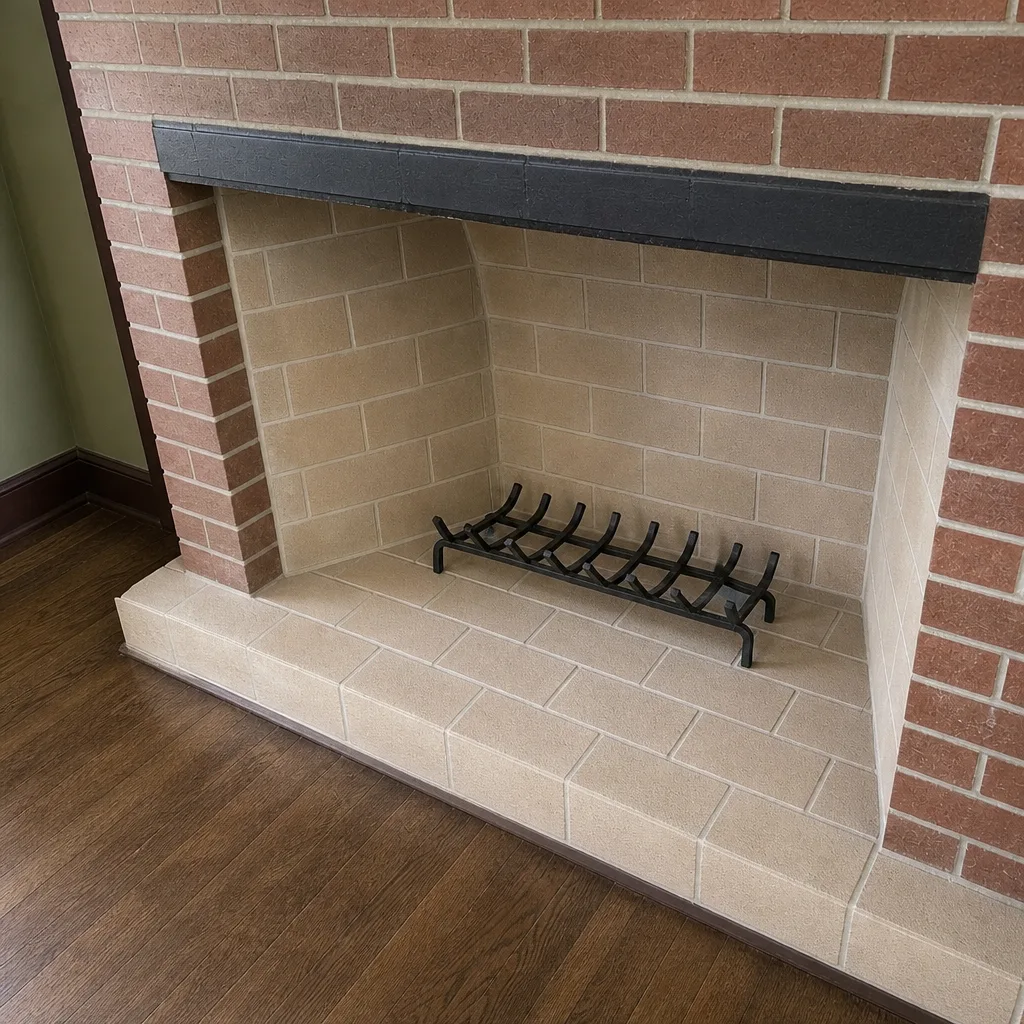
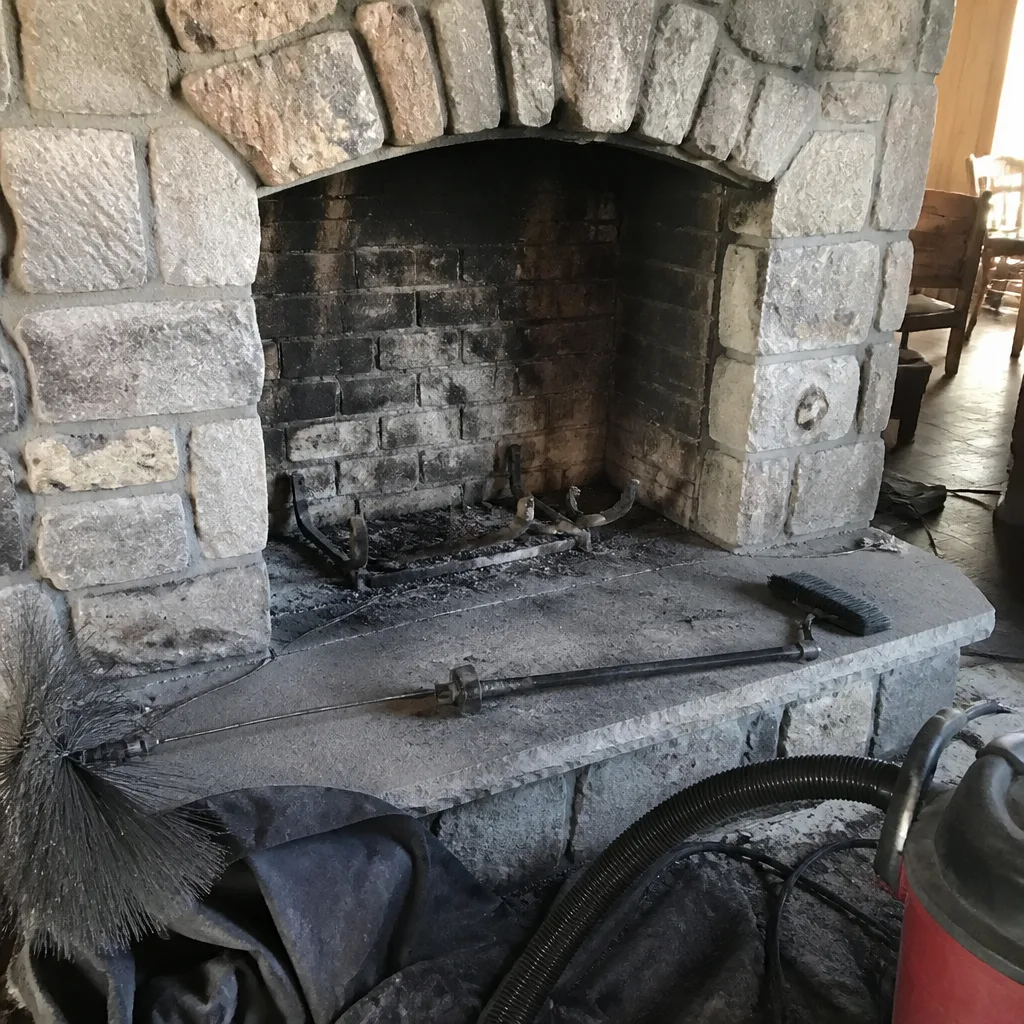
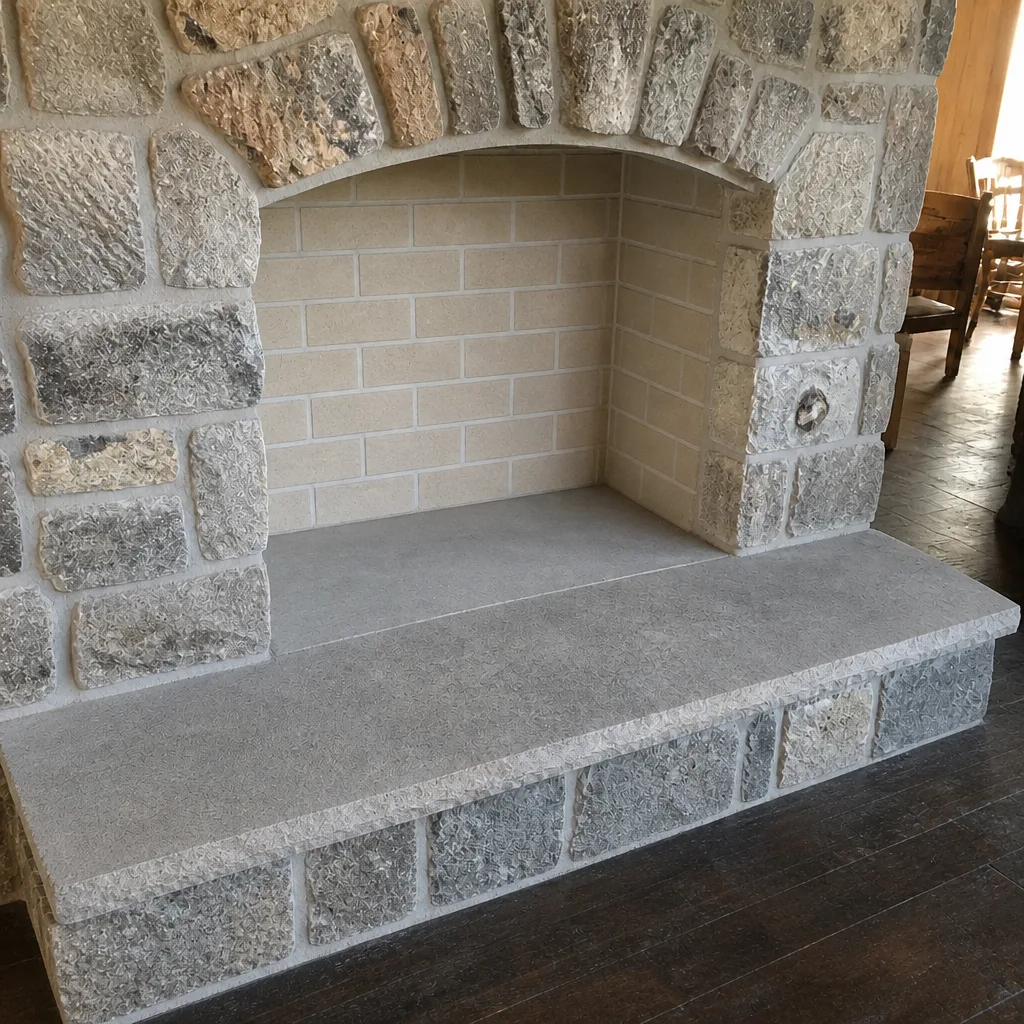
See the difference
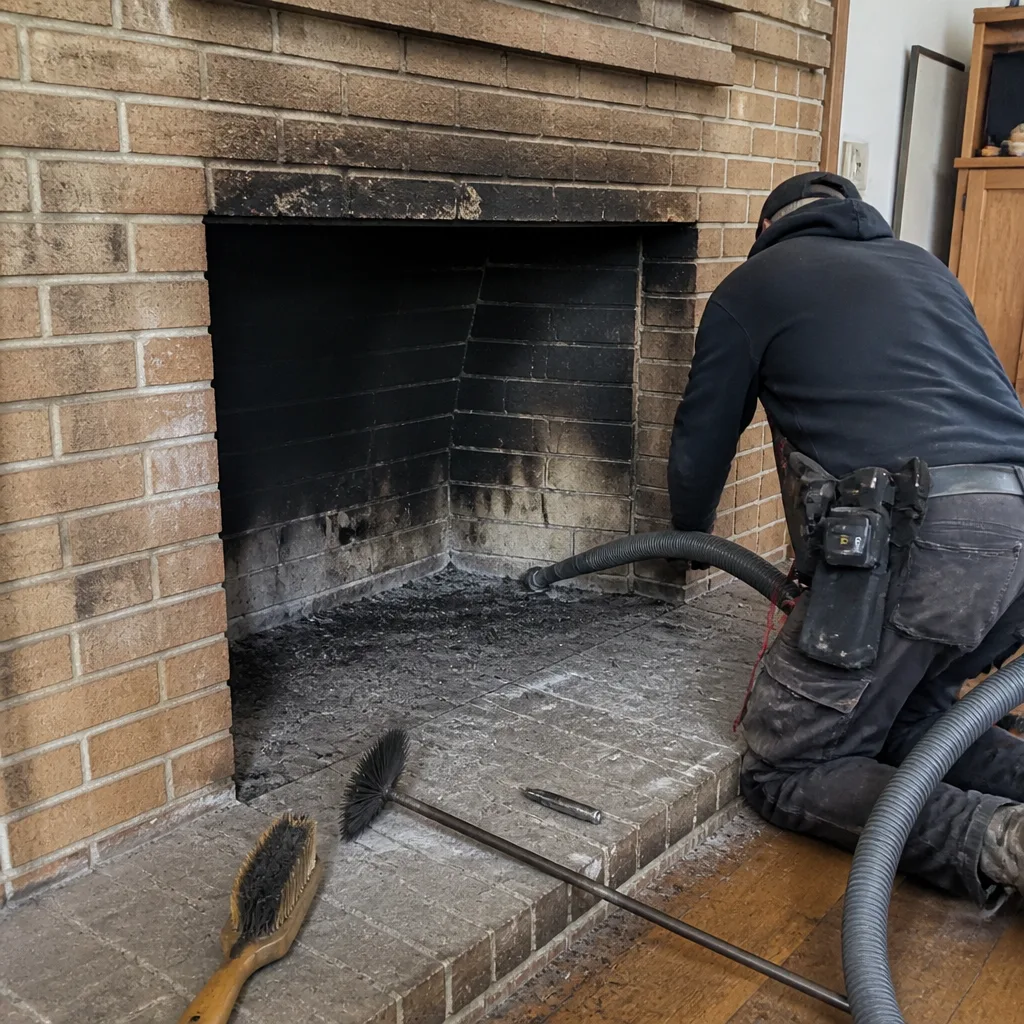 Before
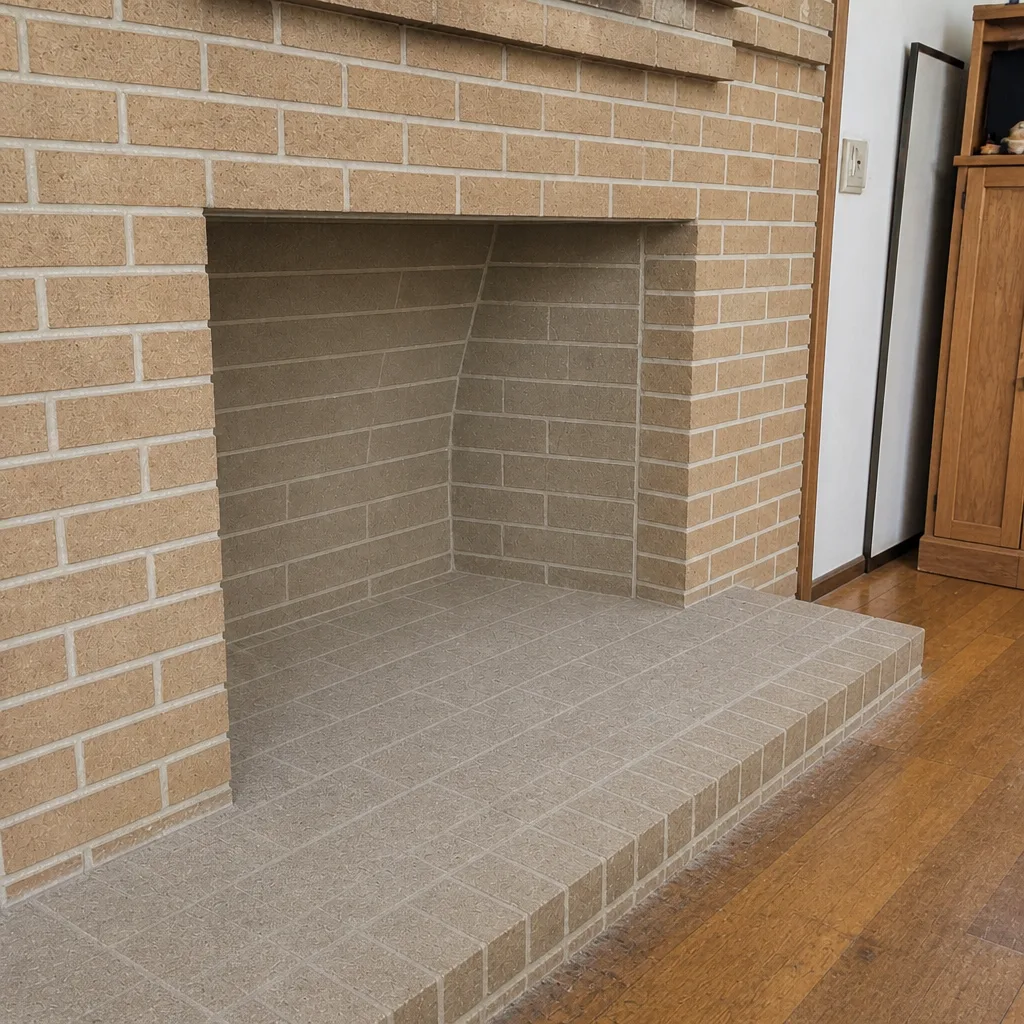 After
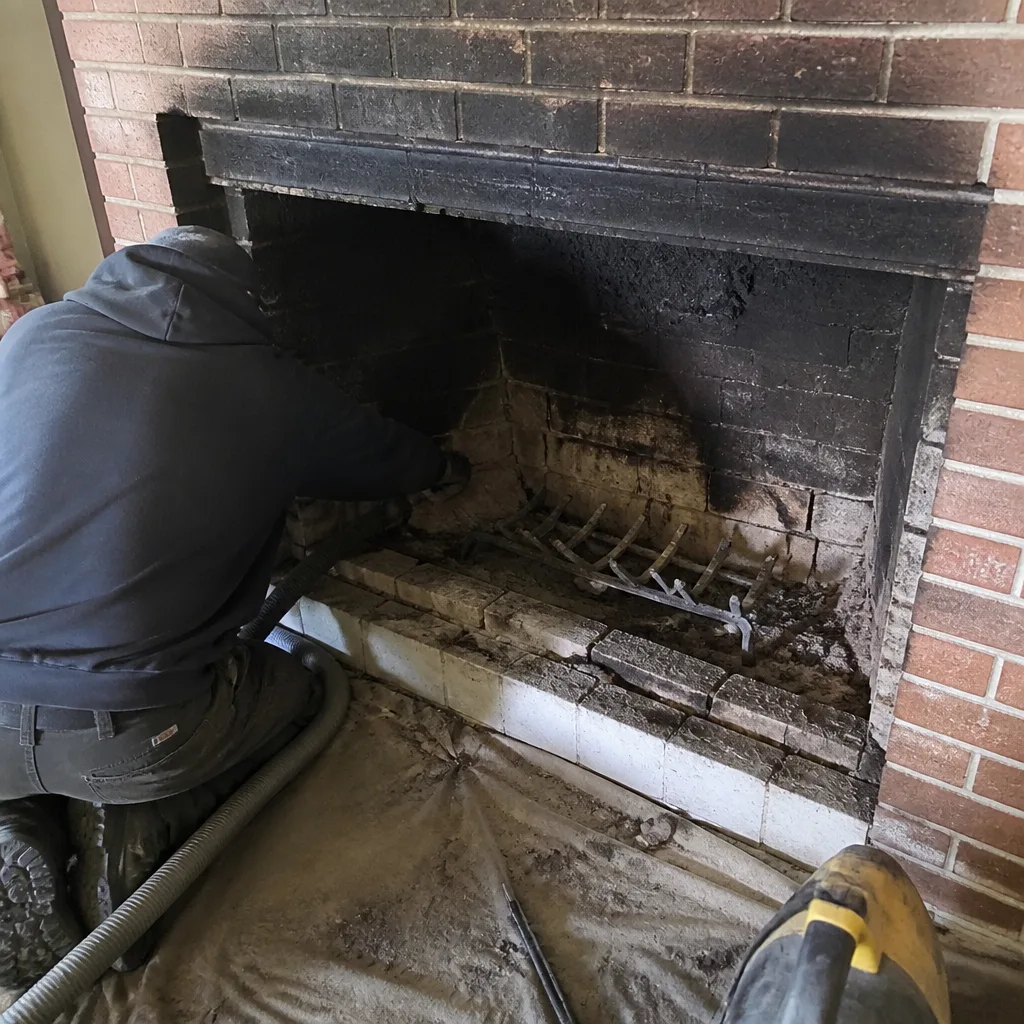 Before
 After
 Before
 After
When to Call a Professional
Call a specialist when the work moves past routine cleaning. If you’re planning a liner replacement, a firebox rebuild, a chimney reconstruction, or any conversion between wood and gas, that’s permit territory and needs a qualified hand. Call if you’ve bought a home and can’t find any chimney permit or inspection records. Call if an inspector or buyer flagged an unpermitted chimney job. Call if you’ve had a chimney fire or notice cracking, gaps, or a liner that looks compromised. And call if it’s simply been a while since an inspection and you want to know what’s happening inside the flue before burning season. Chimney Sweep Greeley offers free estimates in Greeley. Call Chimney Sweep Greeley at (855) 632-3564. We answer 24/7. Fast dispatch from 7am to 7pm, Sunday through Friday.
Frequently Asked Questions
No. Routine chimney cleaning in Greeley is maintenance and generally doesn’t require a permit from the City of Greeley Building Department. A permit comes into play when the work changes the chimney system, like liner replacement, firebox rebuild, or an appliance conversion. Call (855) 632-3564 for an exact quote on cleaning or inspection. Estimates are free.
Yes, in most cases a liner replacement is treated as permitted work in Greeley because it changes the chimney system, and it should be inspected against NFPA 211. Confirm the scope with the City of Greeley Building Department for your specific job. We pull the permit as part of the written estimate so nothing is a surprise. Call (855) 632-3564 for a free estimate.
Ask for the permit number in writing, then confirm it with the City of Greeley Building Department for your address and the work described. Check that the permit’s scope matches the job and that an inspection is part of it. A contractor who won’t share a permit number is telling you something. Call (855) 632-3564 and we’ll walk you through what a permitted job should include.
Yes, an insurer can deny a claim tied to a chimney that lacked required permits or inspections, because the policy expects the system to meet code and be documented. Permit records and inspection reports are the proof that work was done right. We can work with your insurer and provide the inspection documentation you need. Call (855) 632-3564 with questions.
An annual inspection is the general guidance, with sweeping done when creosote reaches the level that warrants it, which NFPA 211 ties to actual buildup rather than a fixed schedule. Greeley’s long heating season means regular use builds creosote faster. An inspection tells you where you actually stand. Call (855) 632-3564 for a free estimate on inspection and cleaning.
Compliance is about correct installation to the standard and manufacturer instructions, not just the brand name. We install DuraFlex flexible liner systems, Olympia Chimney venting, Gelco product for venting and caps, and HeatShield for restorative flue repair when a full relining isn’t necessary. That gives you the right system for your chimney type. Call (855) 632-3564 to discuss your flue.
The Bottom Line
Chimney cleaning in Greeley stays in maintenance territory and needs no permit. Liner replacement, firebox rebuilds, reconstruction, and appliance conversions do, and that’s where the paperwork matters. NFPA 211 is the standard inspectors reference, Colorado and Greeley both have a say in wood and gas installations, and verification is on you: ask for the permit number and confirm it with the City of Greeley Building Department. Documentation also protects you at resale and with your insurer if a claim ever comes up. Get the permit, get the inspection, keep the record. If you’re not sure which category your job falls into, that’s a conversation worth having before work begins.
Written by the team at Chimney Sweep Greeley.