
Last updated November 15, 2026
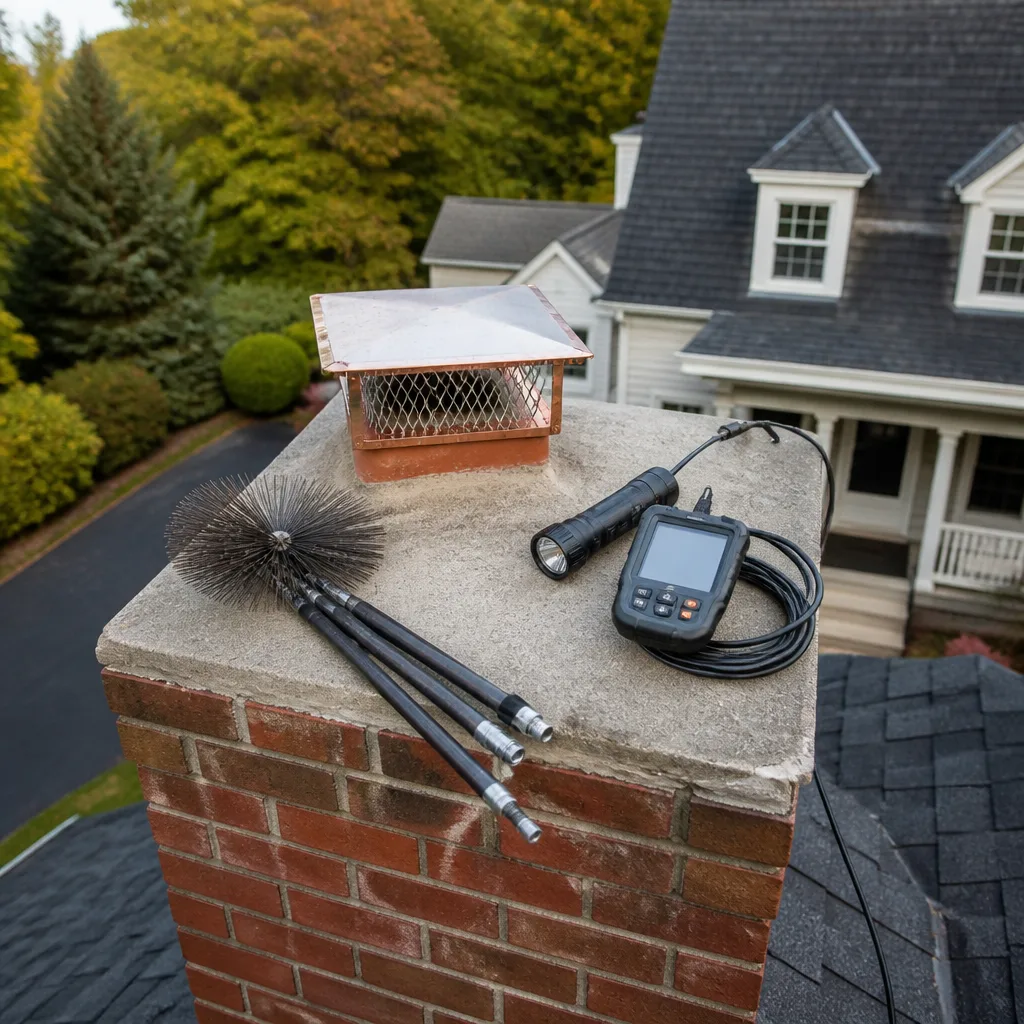 Sweep & inspection
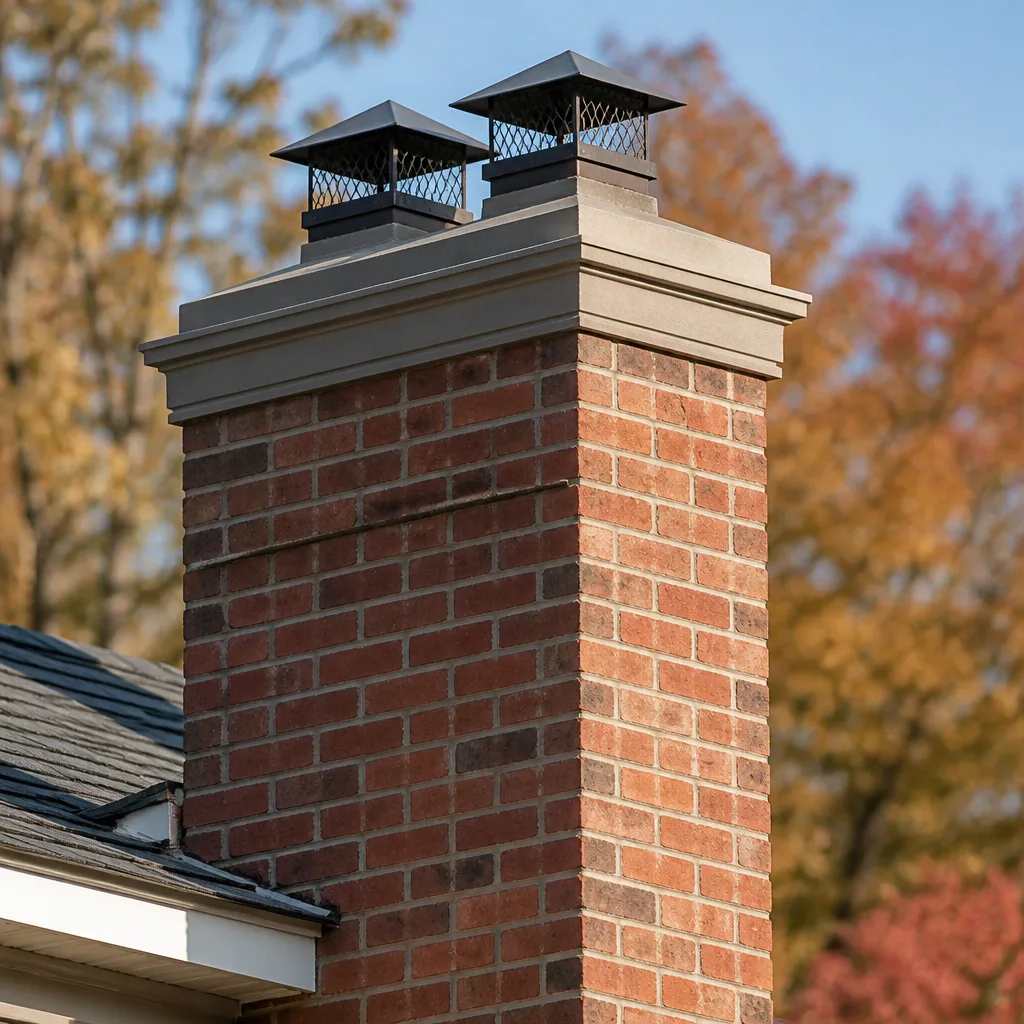 Caps & crowns
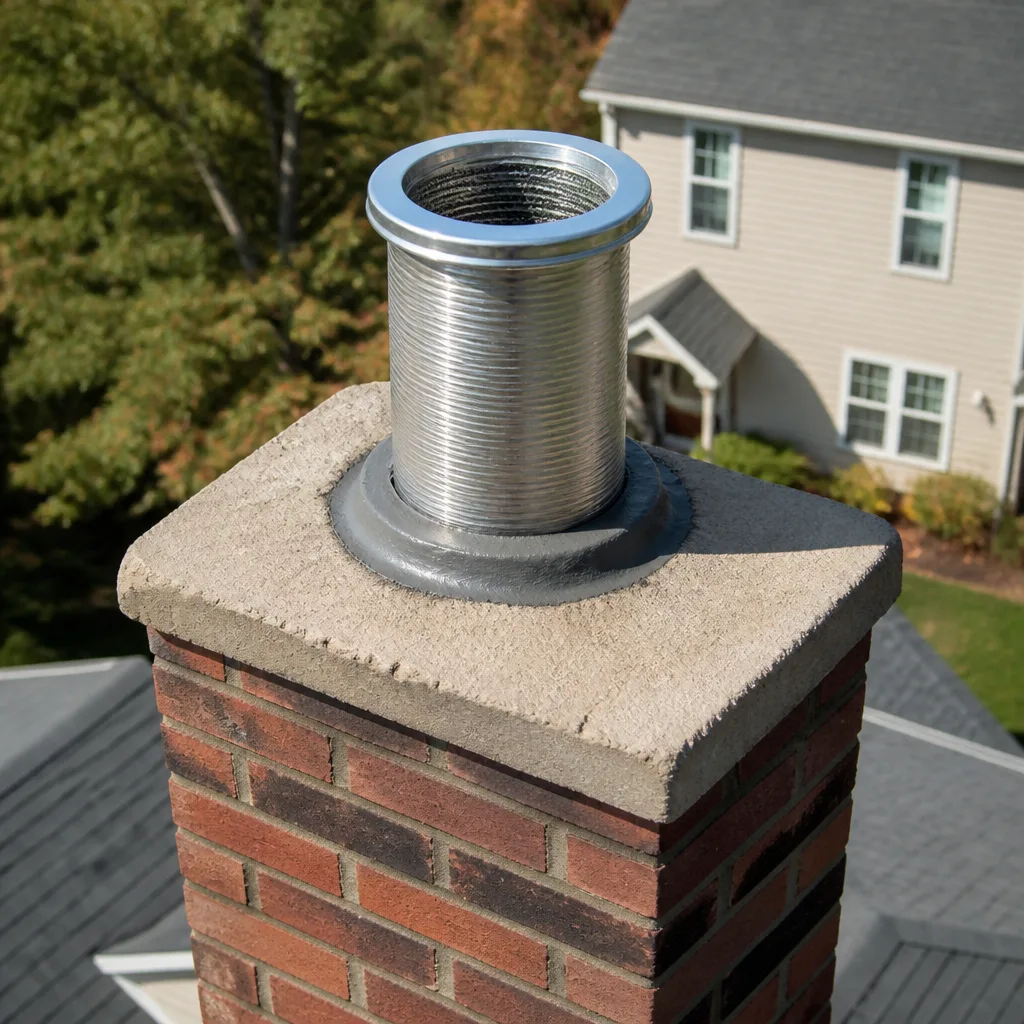 Flue relining
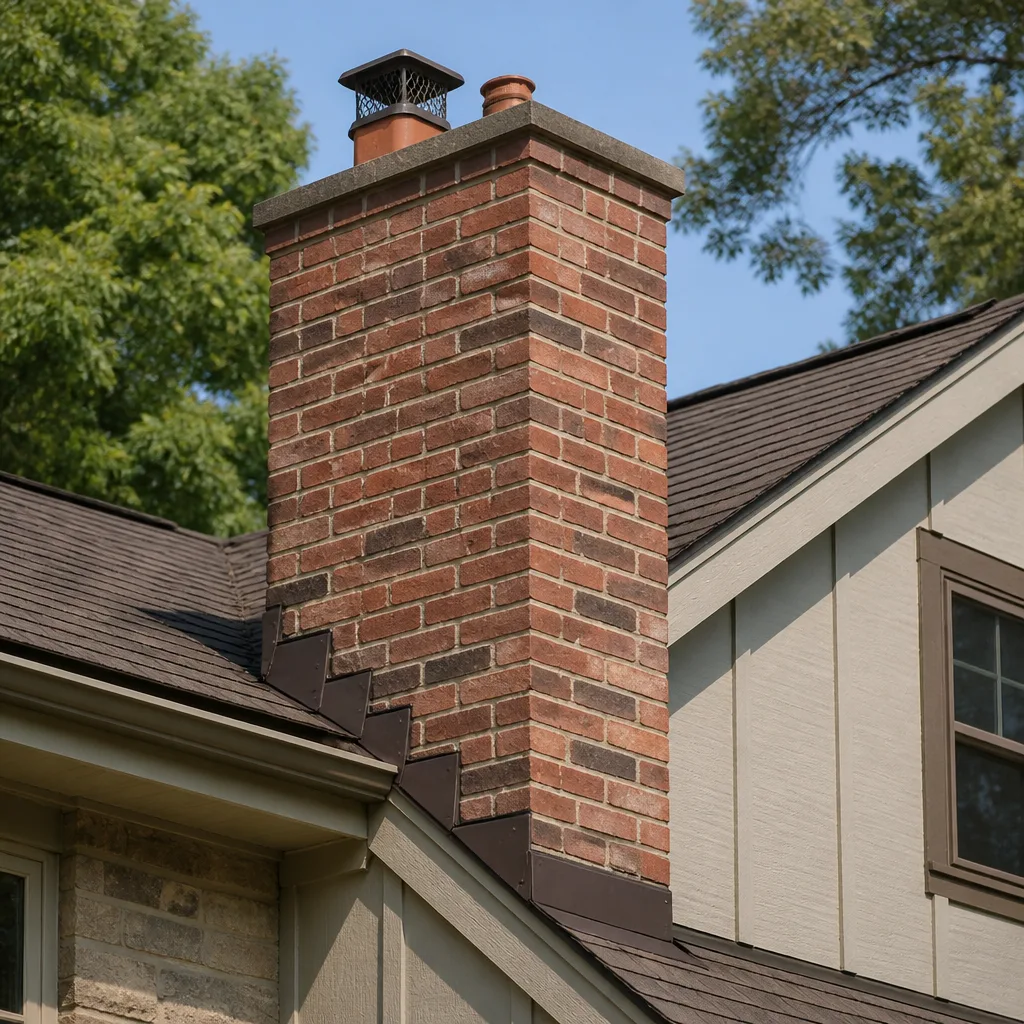 Masonry repair
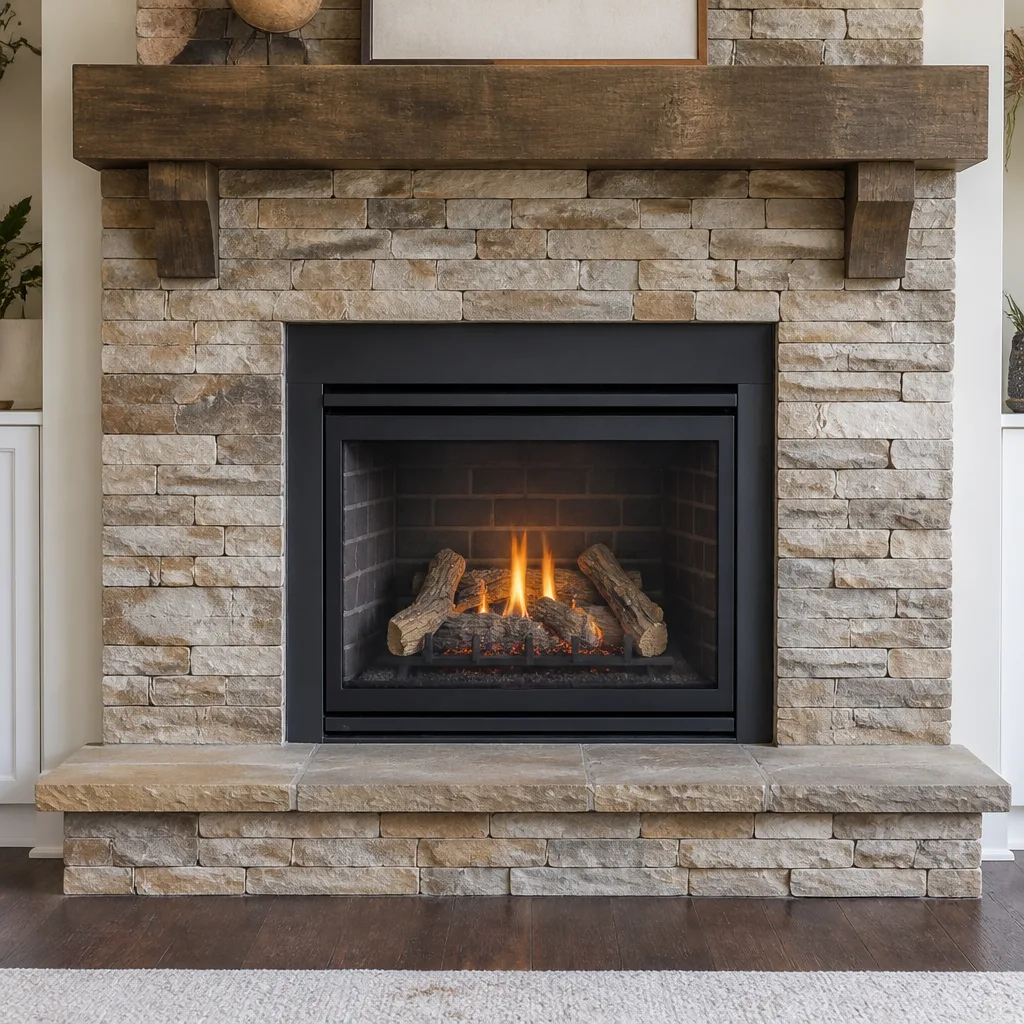 Gas fireplace service
Level 1 sweep and inspection to the NFPA 211 annual standard - flue, crown, cap, and flashing checked and photographed
Chimney sweep logs do not sweep chimneys. They loosen some creosote - which then falls where a brush and vacuum still have to collect it.
Chimney Cleaning Cost Breakdown: The Greeley Homeowner’s Reference for 2026
Two homes on the same Greeley street can get quotes for “chimney cleaning” that differ by hundreds of dollars, and neither quote is wrong. One chimney is a factory-built unit with a short, straight flue and little to clear. The other is a tall masonry stack with a tile liner that’s starting to spall and creosote baked on hard. The number on a quote only means something when you know what’s behind it. That’s what this guide gives you: the actual cost variables that move a Greeley cleaning job from the low end to the high end, so you can read a quote like someone who knows the trade, not just compare bottom lines.
Styles & brands we work with
- Sweep & inspection
- Caps & crowns
- Flue relining
- Masonry repair
- Gas fireplace service
Quick Answer
A standard chimney cleaning in Greeley generally runs from about $150 to $350 for a straightforward flue, and climbs toward $500 or more when height, heavy creosote, or difficult access come into play. A Level 2 inspection adds roughly $100 to $250 on top of a basic sweep, and any liner or repair work is priced separately once the inspection shows what’s actually needed. The written estimate sets the final price, and a legitimate quote will always tell you which of those categories it falls into.
Table of Contents
- What a Standard Cleaning Includes (And What Triggers Extra Cost)
- Creosote Stages 1, 2, and 3: The Biggest Price Variable
- Flue Length, Chimney Height, and Access Conditions
- Level 1 vs. Level 2 Inspection: Cost and When Each Is Required
- Greeley and Weld County Cost Factors
- How to Tell If a Low Quote Is Efficiency or Omission
- What Deferred Cleaning Really Costs You Later
- Common Mistakes to Avoid
- When to Call a Professional
- Frequently Asked Questions
- The Bottom Line
What a Standard Cleaning Includes (And What Triggers Extra Cost)
A standard cleaning covers one appliance connected to one flue, swept from the firebox up, with a drop cloth protecting your floor and a shop vacuum running the whole time. It includes brushing the flue, clearing the smoke shelf and damper area, removing the creosote and soot that’s built up, and a visual check of the accessible parts of the system. That’s the baseline. Everything else is a variable, and knowing which variables a quote accounts for is how you compare two numbers fairly.
Here’s what typically sits inside a standard cleaning:
- Sweeping one flue for one wood-burning fireplace, insert, or solid-fuel appliance.
- Firebox and damper cleanup, including the smoke shelf where debris collects.
- Floor and hearth protection with drop cloths and a running vacuum.
- A visual inspection of what’s reachable and a report on what we find.
What triggers additional charges is where the conversation usually starts:
- A second flue or a second appliance. A chimney with two flues is two cleanings of work, and a fireplace plus a wood stove on separate flues is priced accordingly.
- Damper or cap removal when hardware is seized or a screened cap has to come off to reach the flue.
- A creosote condition that needs more than brushing, which is the single biggest cost swing and worth its own section.
- Access problems like a steep roof, a chimney that’s hard to reach, or interior routing that takes longer.
When you book a chimney sweep, the estimate should be flat and agreed before anyone starts, and it should say what it covers. If a quote doesn’t distinguish between one flue and two, or doesn’t mention creosote condition, that’s a sign the number was guessed rather than scoped.
Creosote Stages 1, 2, and 3: The Biggest Price Variable
Creosote is the residue left behind when wood smoke cools inside the flue, and it doesn’t build up in a single form. It progresses through three stages, and the stage your chimney is in has more effect on cleaning cost than anything else. Stage 1 is a light, flaky soot that brushes away easily. Stage 2 is a thicker, tar-like glaze that takes more work and sometimes a chemical agent. Stage 3 is a hard, glazed, baked-on deposit that can require chemical treatment before it will release at all.
Why the stage matters so much comes down to time and method:
- Stage 1 is the quick, standard brush-and-vacuum job, and it’s what a routine annual cleaning handles.
- Stage 2 takes longer and may need a chemical creosote remover applied and then re-swept, which adds labor and product cost.
- Stage 3 is the expensive scenario. Heavy glazed creosote can mean multiple visits, chemical treatment, and sometimes findings in the inspection that push toward liner work.
The reason we’re firm on annual cleaning isn’t upselling. It’s that a house burning wood in Greeley gets the same creosote progression as anywhere else, and a mild winter with a few hot fires builds residue faster than people expect. The single most reliable way to keep your cleaning in the low end of the range is to keep the creosote in Stage 1, which means sweeping on a regular schedule instead of waiting until the flue is choked. If you’ve gone a few seasons without a look, the condition is what drives the quote, not the size of the house.
Flue Length, Chimney Height, and Access Conditions
Most chimneys are reachable from the roof with a standard ladder and a roof-safe setup, and that’s the routine case. But height and access are real cost drivers, because they change how long the job takes and how much equipment and care it requires. A single-story ranch with a chimney near the ridge is a very different afternoon from a tall two-story stack or a chimney set back on a steep pitch.
What pushes a cleaning toward the higher end of the range:
- A tall stack. More flue length means more brushing and more time, and tall masonry chimneys often hide offsets or bends that slow the sweep.
- Steep or fragile roofing. A steep pitch with loose or aging shingles requires slower, safer footing, and everyone on the job slows down to protect both the roof and the technician.
- Offsets and bends in the flue. A straight flue sweeps fast. An angled flue needs flexible tooling worked through the bend.
- Interior access only. Some layouts mean working from the firebox and a cleanout rather than the roof, which takes more steps.
Height and access are also where an inspection earns its keep. Once we’re on the roof and inside the flue, we can see the conditions that affect both the cleaning and any repair cost: the top of the liner, the crown, the cap, and the flashing. This is the point where an inspection turns into useful information instead of a line item.
Level 1 vs. Level 2 Inspection: Cost and When Each Is Required
A Level 1 inspection is a visual check of the readily accessible parts of the chimney with the tools normally on hand, and it’s what comes with a routine annual cleaning. A Level 2 inspection goes further: it includes the accessible areas plus a video camera scan of the flue interior and inspection of accessible portions of the attic, crawlspace, and other areas the chimney passes through. In our experience the cost difference is roughly $100 to $250 more for the Level 2, and it’s money that either finds a problem early or gives you documented proof the system is sound.
When each one applies usually comes down to circumstances:
- A Level 1 fits when you’ve had the chimney swept on schedule, nothing has changed, and there’s no reason to suspect a problem.
- A Level 2 is what you want when the property changes hands, when you’ve added or replaced an appliance, after a chimney fire or a severe weather event, or when you’re moving into a home and don’t know the chimney’s history.
- A camera inspection is what tells you whether a liner has cracked joints, gaps, or hidden damage that the eye can’t see from the firebox.
For a real estate transaction, an appliance change, or any chimney that’s new to you, the Level 2 is the one to ask for. It’s also how we and others in the trade find the problems that a generalist sweep can’t. Because our chimney repair work is done by the same specialists who did the inspection, the findings translate straight into a repair plan with camera evidence you can see for yourself, rather than a handoff to another company that wants to re-diagnose everything.
Greeley and Weld County Cost Factors
Costs in any region shift with local labor rates, material sourcing, and the building stock. In Greeley, a few things shape a chimney quote in ways you won’t see in a national price list. Labor in Weld County reflects the regional market, so skylines of tall masonry stacks and older housing stock add time on some jobs. Material is sourced regionally, which affects liner and repair pricing once a cleaning finds something that needs fixing.
The local climate compounds one factor in particular: hail. Greeley sees hailstorms, and a storm can crack a chimney crown, loosen a cap, or damage the flashing around the stack. That damage is often invisible from the ground, which is why a cleaning visit is a good time to look at the whole assembly. A cracked crown or a damaged cap lets water into the flue, and water in a masonry chimney is a slow problem that moves toward liner damage. Catching hail damage during a routine sweep keeps that from turning into a repair job.
Wood-burning habits vary too. If a household burns through the cold months, the creosote buildup is heavier, and the chimney benefits from a regular schedule. The table below gives a rough line-item picture of the local ranges you’ll see, with the usual caveat that every job is priced by written estimate:
- Standard sweep, single flue: $150 to $350 typical.
- Sweep with Stage 2 creosote treatment: higher than a standard sweep, priced once the condition is seen.
- Level 2 inspection with camera: roughly $100 to $250 more than a sweep.
- Cap, crown, or flashing repair: quoted separately after inspection.
This is why the number alone doesn’t tell you much. A quote for a Greeley home on the north side with a shorter stack and light soot is genuinely a lower number than one for a tall masonry chimney closer to the heart of town. What you want is a quote that reflects both honestly.
How to Tell If a Low Quote Is Efficiency or Omission
A low quote can be perfectly fair, or it can be a number that leaves out half the work. The difference usually shows up in what the quote says it includes. An efficient shop is fast because it does this work every day and there are no wasted steps. An incomplete quote is cheap because it skips the parts that cost time and labor. Both can look like the same dollar figure on paper.
Here’s what a full-service cleaning quote should always include, and what to check before you compare it to the next one:
- Which flues and which appliances. One flue, one appliance should be stated.
- Creosote condition or an inspection that determines it. A quote that doesn’t mention condition is a guess, not a scope.
- Protection and cleanup. Drop cloths, a running vacuum, and cleanup of the firebox and hearth are non-negotiable.
- A visual inspection and a report. You should get told what we found, whether or not you asked.
- A flat price agreed before work starts. The written estimate sets the final price, and there shouldn’t be surprises added later.
Read every quote against that list. A very low number that doesn’t cover the flue count, protection, and a report is cheaper because it’s a partial job. A quote from a shop that works in chimneys only tends to reflect the real scope, because that shop isn’t splitting its time between chimneys and drywall or decks. We install and service products from a vetted set of brands like DuraFlex and Olympia Chimney, and we’d rather tell you plainly what the job takes than win a bid by shaving it down.
What Deferred Cleaning Really Costs You Later
Skipping a few years of cleaning doesn’t just postpone a $150 to $350 job. It changes the category of work you’re paying for. A chimney that’s drifted into Stage 2 needs chemical treatment and more labor, which moves it toward the top of the cleaning range. A chimney that’s reached Stage 3 can need chemical treatment across multiple visits, and by then the hot, glazed deposit has often caused damage the inspection then turns up.
That’s where the cost curve turns steep. Fixing a damaged liner isn’t a cleaning job anymore. It’s liner work, and depending on what the inspection finds, it can be a full relining. The repair side of the trade has ways to limit that where possible. HeatShield restorative repair can address certain liner problems less invasively than a full reline, and a flexible DuraFlex liner handles retrofits in chimneys whose shape doesn’t cooperate with a rigid system. But those are still repair costs that annual cleaning tends to avoid in the first place.
Here’s the simple framing that matters for your budget:
- Annual cleaning keeps the flue in the low-cost category and catches problems while they’re still small.
- Stage 2 creosote adds treatment and time to the cleaning, and the deposit is harder to remove each season it waits.
- Stage 3 creosote or a damaged liner moves you into repair or relining pricing, which is a different order of cost.
There’s a safety side to this too, and it’s the honest reason to stay on schedule. Heavy creosote in a flue is what chimney fires feed on, and a damaged liner lets combustion gases escape the flue. Those are the real stakes. A cleaning visit is where a trained eye finds both before they become an event, and in our experience that’s worth more than the cleaning itself.
Common Mistakes to Avoid
- Choosing a quote on price alone. The cheapest number in Greeley might not cover the flue count or creosote condition, and you’ll only find out once the truck is gone. Compare what’s included, not just the total.
- Skipping the inspection to save on the sweep. A cleaning without a look at the liner and crown finds soot and misses damage. Ask what the visit includes, and get a report either way.
- Assuming a mild winter means less creosote. A few hot fires can build residue faster than a long, slow-burning season. The flue’s condition, not the weather, sets the schedule.
- Ignoring hail damage visible from the roof. Cracks in the crown and damage to the cap or flashing let water in, and water in a masonry flue leads to liner trouble. Have them checked on the same visit as the sweep.
- Hiring a generalist who “also does chimneys.” A handyman splitting time across several trades can’t bring the same depth to liner diagnosis or creosote staging. This trade rewards specialization.
- Waiting for smoke to roll back before booking. A smoking fireplace usually means a blocked or restricted flue, and by then the condition is worse than a routine cleaning. Book before you have a problem, not after.
- Missing the one-inspection rule for property changes. If you’ve just bought a home with a chimney, or replaced an appliance, ask for a Level 2. You don’t know the chimney’s history, and the camera scan tells you.
When to Call a Professional
Call a chimney specialist when you don’t know the last time the flue was cleaned, when you’ve just bought a home with a chimney or fireplace, or when you’ve replaced an appliance. Call after a storm if you suspect the crown or cap took a hit, and call if you see creosote that looks glazed or shiny. Any smoke rolling back into the room, a flue that feels blocked, or the smell of tar on warm days are all reasons to stop burning and get someone out. So is a chimney fire, even a small one, because a trained eye has to look at the liner afterward.
Chimney Sweep Greeley offers free estimates in Greeley, and we handle the full loop from inspection to sweep to repair with the same specialists. Call (855) 632-3564. We answer 24/7. Fast dispatch from 7am to 7pm, Sunday through Friday.
Frequently Asked Questions
A standard chimney cleaning in Greeley typically runs from about $150 to $350 for one flue and one appliance. The price climbs when the chimney is tall, the flue has bends, access is difficult, or the creosote has reached Stage 2 or 3. A Level 2 inspection adds roughly $100 to $250. Call (855) 632-3564 for an exact quote. Estimates are free.
Yes, for any chimney that burns wood, an annual sweep is the baseline that keeps creosote from working its way up through the stages. Every season of buildup makes the next cleaning harder and more expensive, and it raises the risk a chimney fire has fuel to feed on. Sweeping while the deposit is still Stage 1 keeps you in the low end of the range. Call (855) 632-3564 to book yours.
A Level 1 is a visual check of accessible parts. A Level 2 adds a video camera scan of the flue interior and inspection of the chimney’s accessible passage through the home. You need the Level 2 when you’ve bought a property, changed appliances, had a chimney fire or storm damage, or simply don’t know the chimney’s history. The camera is how hidden liner damage gets found.
Because the two chimneys are in different condition and take different work. Height, flue length, access, creosote stage, and the number of flues all change the job, and a standard cleaning of a straight prefab is a different afternoon from a tall masonry stack with a failing liner. The written estimate should explain which factors apply to your chimney. Call (855) 632-3564 and we’ll scope it honestly.
Yes. Hail in the Greeley area can crack a chimney crown, loosen a cap, or damage the flashing that seals the chimney at the roof. That damage lets water into the masonry, and water moving through a flue leads to liner problems over time. These are often invisible from the ground, which is why a cleaning visit is a good time to have the crown, cap, and flashing checked.
The job changes category. Stage 2 creosote needs chemical treatment and re-sweeping, and Stage 3 glazed creosote can mean multiple visits and by then often means the inspection finds damage. A chimney that needed a routine sweep can end up needing liner repair or relining. That’s the real cost of deferring, and it’s why we recommend staying on schedule. Call (855) 632-3564 for a free estimate.
The Bottom Line
A chimney cleaning quote in Greeley makes sense only in context. The number reflects the flue count, the height and access, and above all the creosote stage, and a legitimate full-service price includes protection, cleanup, and an inspection report. A Level 2 inspection with a camera is money well spent when the property or appliance is new to you. The cheapest way to keep costs low is to keep creosote in Stage 1 with a regular sweep, because heavy buildup and liner damage move you from cleaning pricing into repair and relining pricing.
If you’ve got a chimney in Greeley and want to know exactly what a cleaning will take, we’ll tell you plainly. Call (855) 632-3564 for a free estimate. We answer 24/7. Fast dispatch from 7am to 7pm, Sunday through Friday. From the first look at your Chimney Sweep Greeley visit through any repair, the same specialists handle the whole job.
Written by the team at Chimney Sweep Greeley.
See the difference
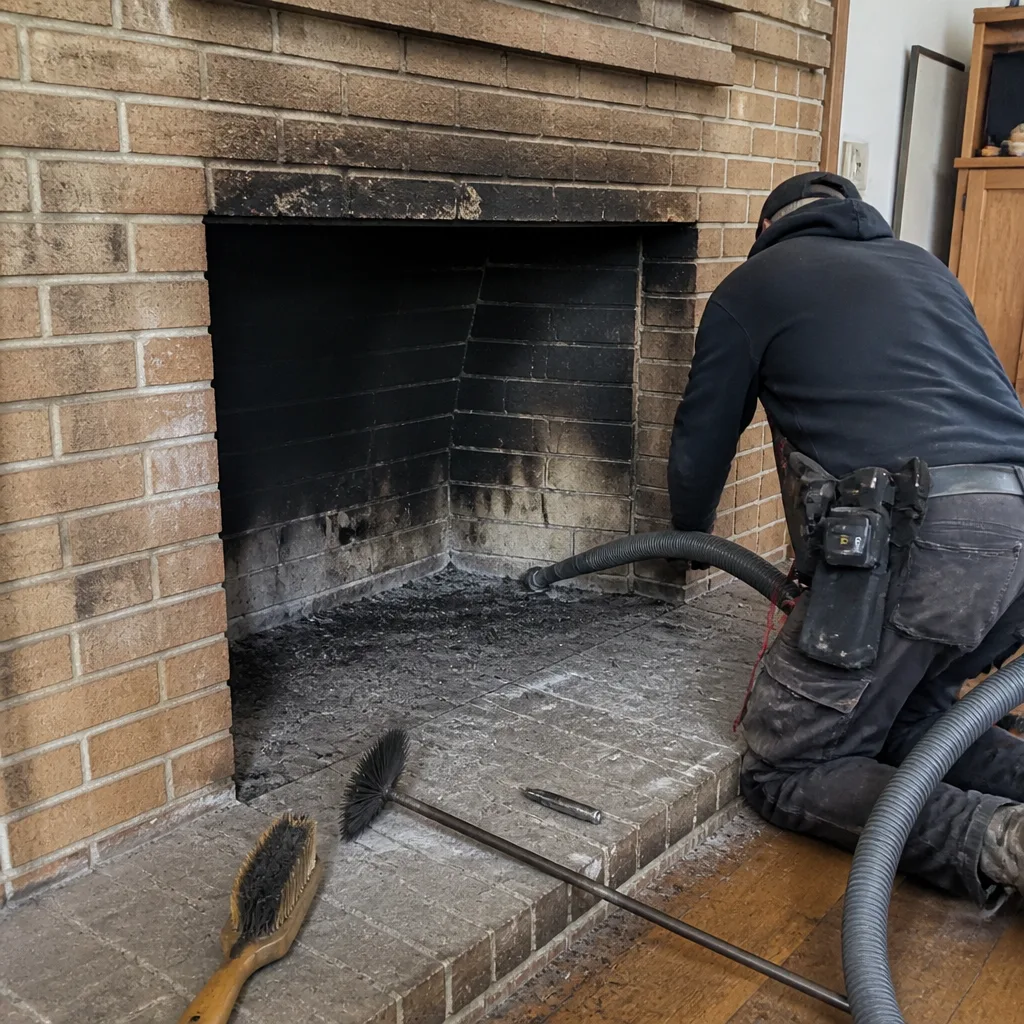 Before
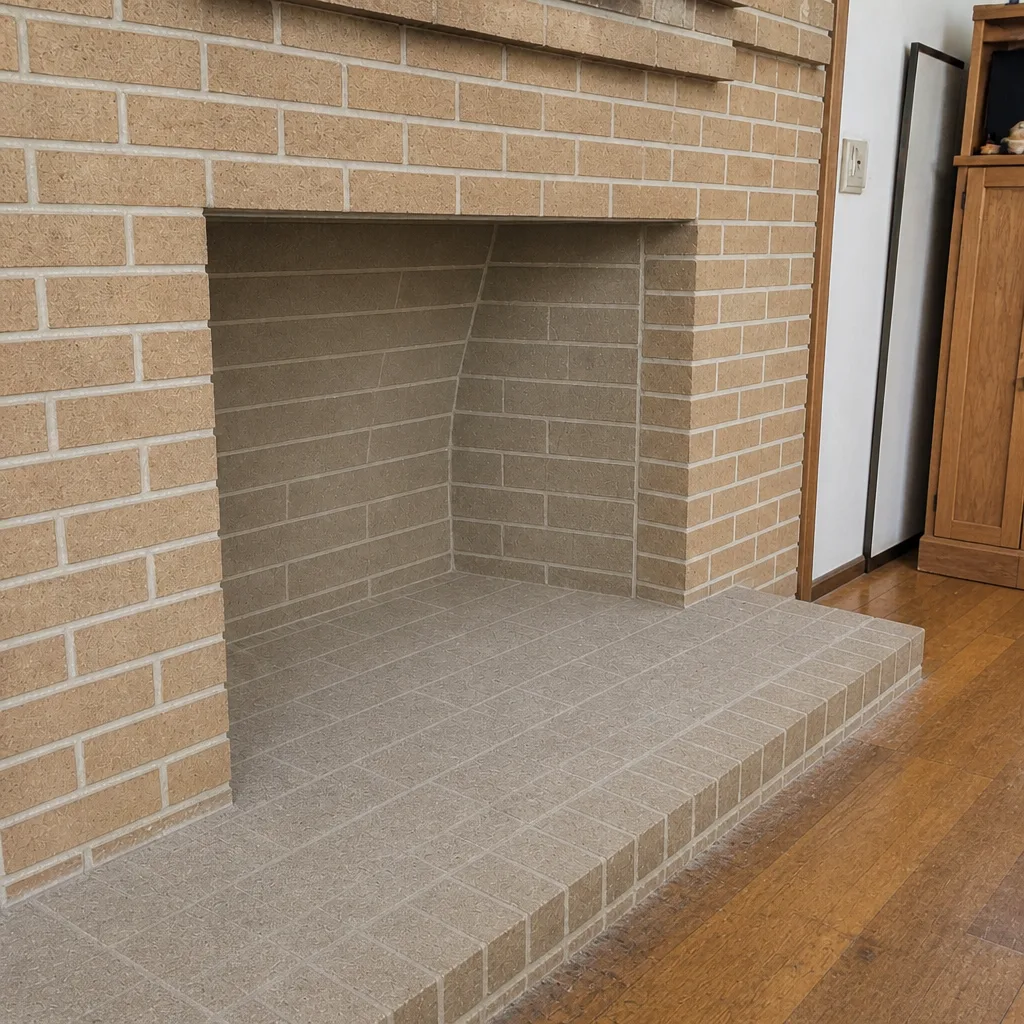 After
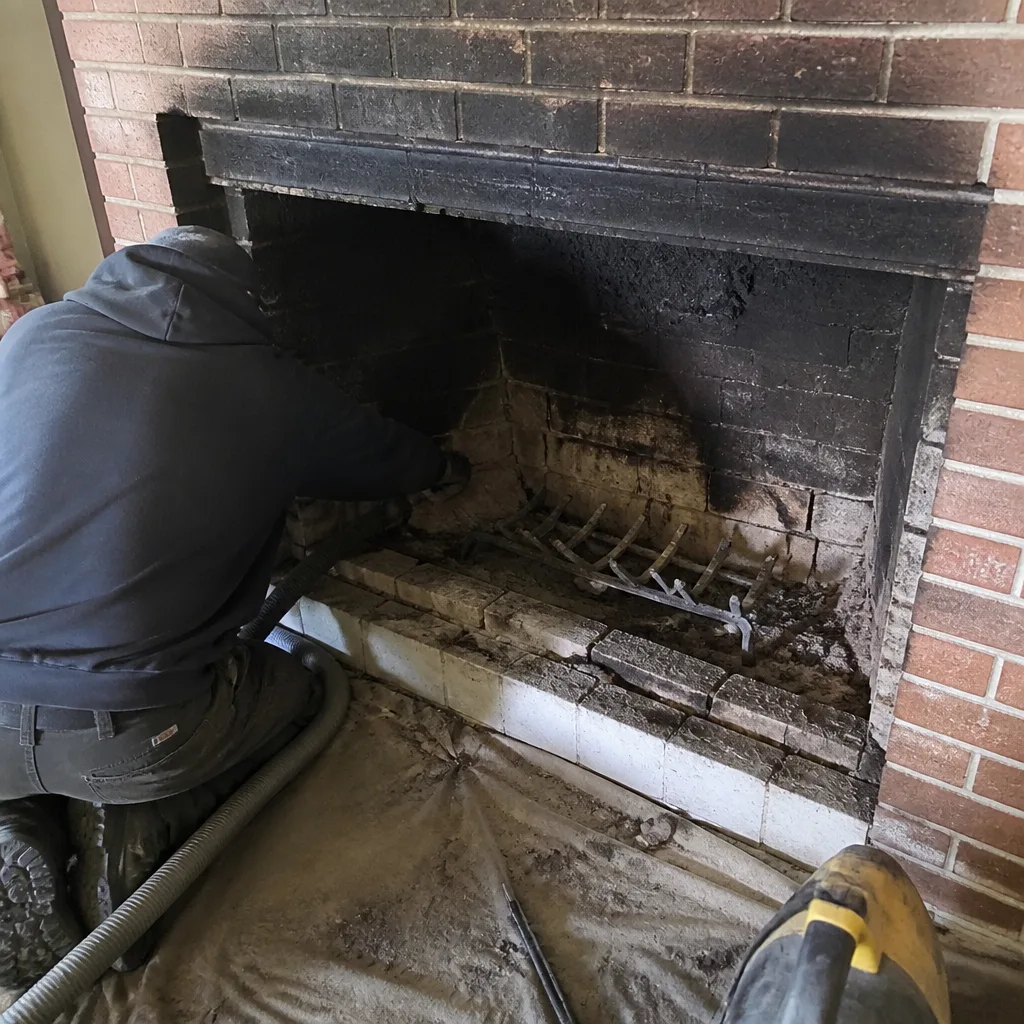 Before
 After
 Before
 After