
Last updated November 15, 2026
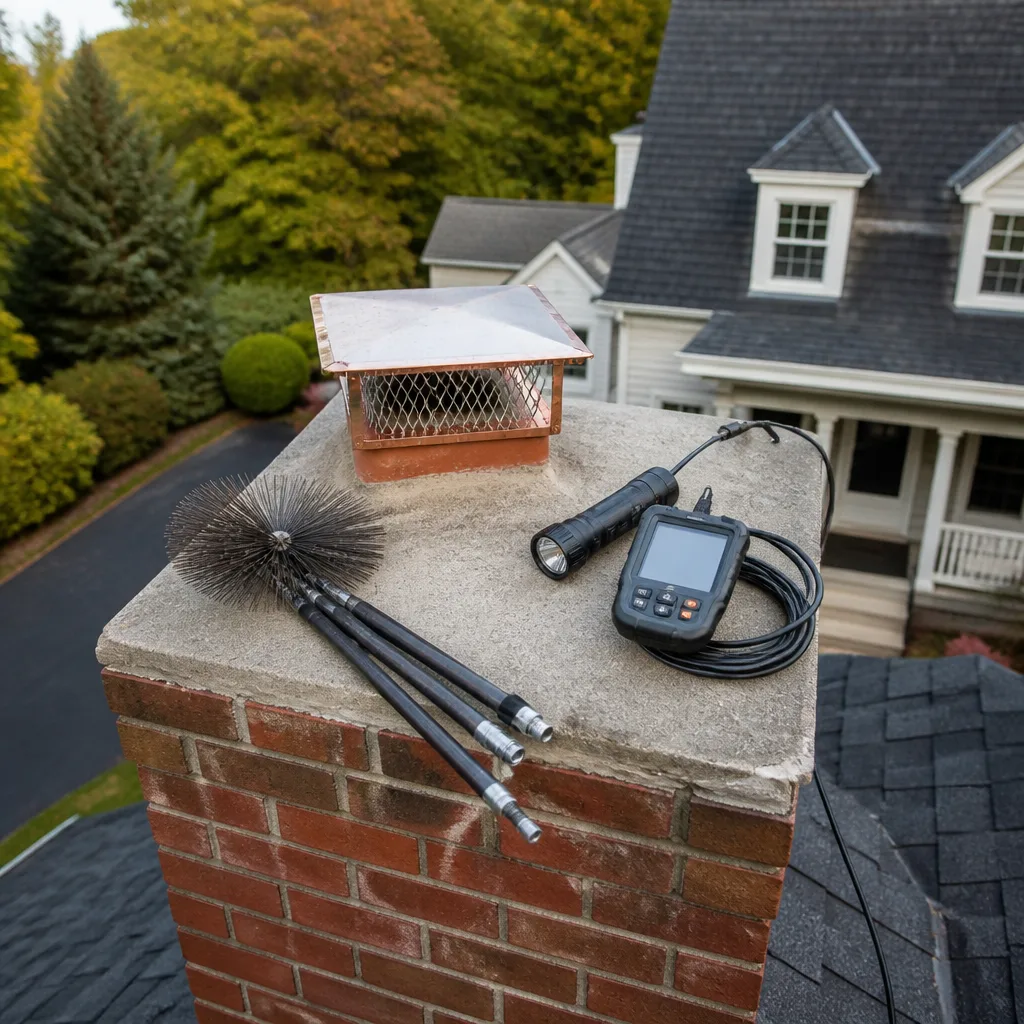 Sweep & inspection
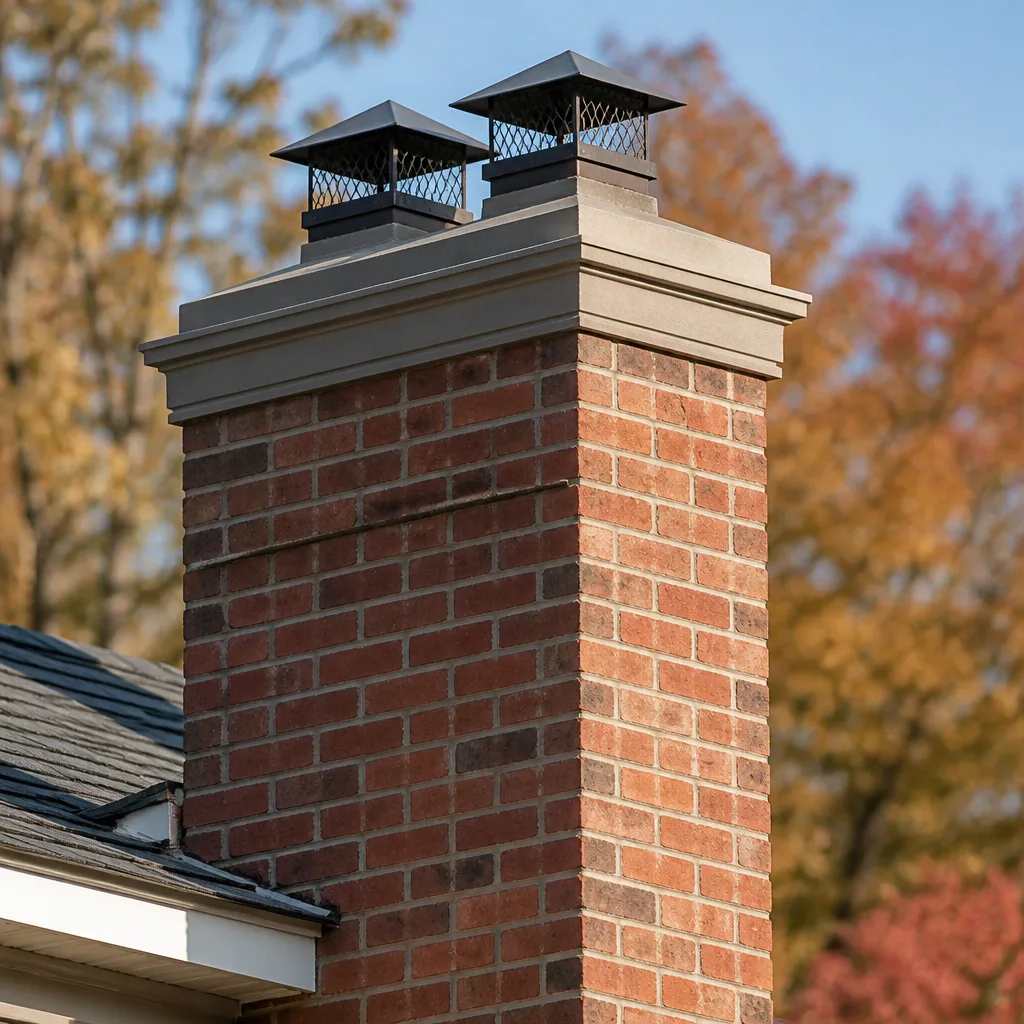 Caps & crowns
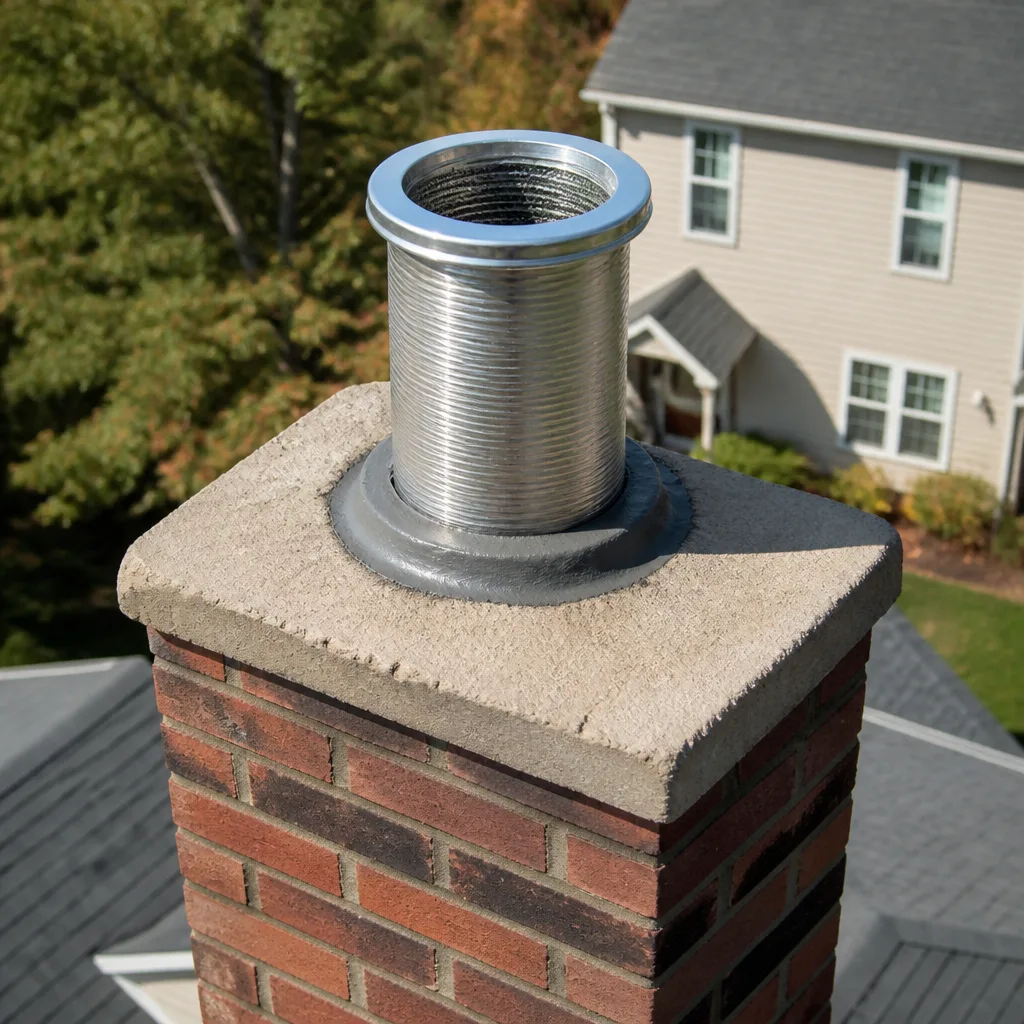 Flue relining
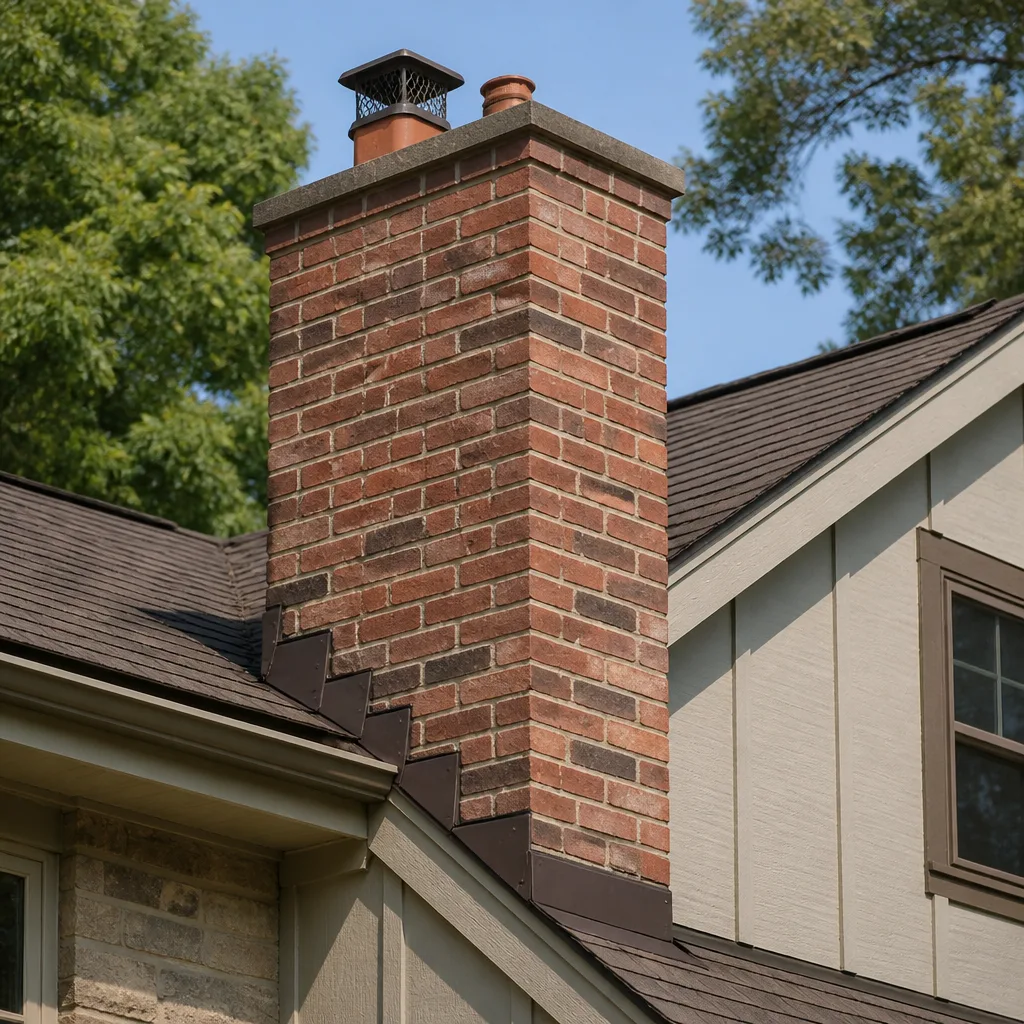 Masonry repair
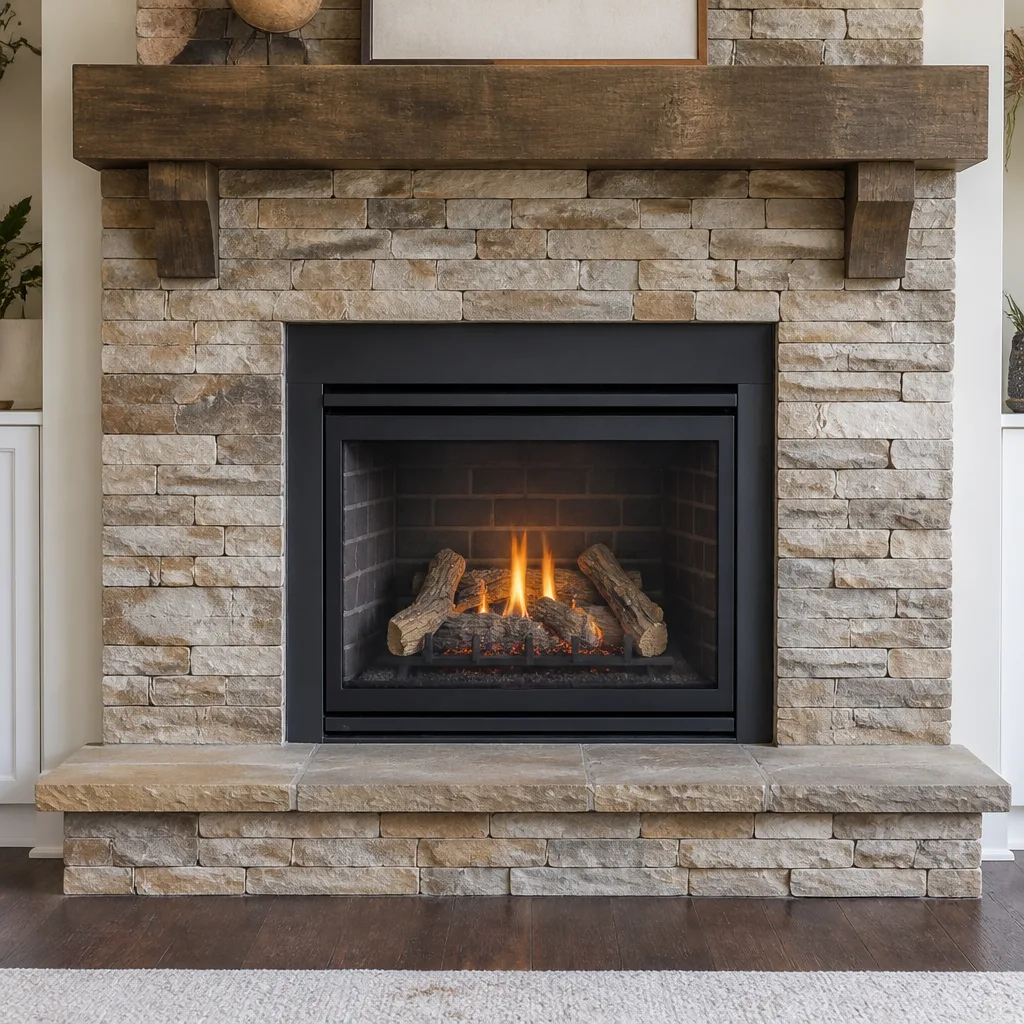 Gas fireplace service
Level 1 sweep and inspection to the NFPA 211 annual standard - flue, crown, cap, and flashing checked and photographed
Chimney sweep logs do not sweep chimneys. They loosen some creosote - which then falls where a brush and vacuum still have to collect it.
Choosing the Right Chimney Cleaning Brand: A Buyer’s Guide for Greeley
Most homeowners never ask what brand of liner went into their chimney. They ask what it costs, and they ask when the crew can come. That’s backwards. When a contractor replaces your flue liner, the brand of the liner system matters as much as the installation itself. A recognized manufacturer like HeatShield, Olympia Chimney, or DuraFlex builds to published standards and stands behind the product with a warranty. Generic imported liner stock often carries neither. In Greeley, where wood burning runs hard through the cold months and a lot of homes sit on older masonry, that distinction decides how long the repair actually lasts. This guide walks through the product categories, the brands that matter in each, what UL Listed really means, and the exact questions to ask before anyone touches your chimney.
Quick Answer
The right chimney brand is one that carries legitimate UL Listing, publishes installation standards, and comes with a real manufacturer warranty. In Greeley, that usually means a flexible liner from DuraFlex or Olympia Chimney, restorative sealant work from HeatShield, and caps and venting from established makers rather than online no-name stock. Ask your contractor which brands they specify and why. A specialist can answer that in plain language. A generalist usually can’t.
Styles & brands we work with
- Sweep & inspection
- Caps & crowns
- Flue relining
- Masonry repair
- Gas fireplace service
Table of Contents
- The major chimney product categories and the brands in each
- What UL Listed means and why it matters for your insurance
- How to ask a contractor what brands they use
- Creosote sweeping logs versus professional modifiers
- Why cap material matters in Greeley’s climate
- Flexible versus rigid liner systems: matching the product to the chimney
- Red flags that signal budget substitutes
- The bottom line on chimney product brands
The Major Chimney Product Categories and the Brands in Each
When we talk about “chimney brands,” we’re really talking about five separate product families. Each one has recognized manufacturers, and each one has a budget-substitute tier that looks similar on a shelf but behaves very differently inside a flue. Knowing the categories is the first step toward asking the right questions.
Flexible liner systems. This is the biggest single category and the one that matters most for fire safety. DuraFlex and Olympia Chimney both make flexible stainless liner kits that conform to offset flues without cutting through the chimney. Copperfield makes rigid and hybrid systems for chimneys that need a straighter, more permanent channel. The point of a recognized flexible liner is that it has been tested as a system: the liner, the insulation wrap, and the top plate all work together to a published specification.
Restorative flue sealants. HeatShield is the name most people in the trade know for this category. It’s a resurfacing system applied to the inside of a clay flue to seal cracks and restore a smooth surface. It’s not a liner, and it’s not a patch. It fills the gap between “your flue has voids and gaps” and “your flue is failing.” Gelco also offers flue sealant and repair products used in similar applications.
Chimney caps. Famco and Gelco both make caps and covers in galvanized and stainless steel. We’ll come back to the steel question later, because in Greeley’s wind and hail, the material grade actually drives how long the cap lasts.
Crown sealants. The crown is the concrete slab on top of the chimney. Crown sealants from the same manufacturers protect against the freeze-thaw cracking that shortens crown life in northern Colorado.
Creosote modifiers and cleaning compounds. Poultice Creosote Remover and similar professional-grade products fall here. They soften glaze-stage creosote so it can be swept out. We’ll cover the difference between these and consumer sweeping logs in a later section.
For a homeowner in Greeley, the practical takeaway is simple: each category has a recognizable maker, and a specialist should be able to name the brand in each one they use. If the answer is “we use quality materials,” you don’t have an answer.
What “UL Listed” Means and Why It Matters for Your Insurance
UL Listed is not a marketing phrase. It’s a certification from Underwriters Laboratories that a specific product has been tested to a specific standard. On a chimney liner, that standard is published and applies to the entire system: the liner, its insulation, and its connectors. A UL Listed liner was tested as a unit. Unlisted stock was not.
Why does that matter in Greeley specifically? Two reasons.
- Code conformance. NFPA 211, the national standard for chimneys, fireplaces, vents, and solid fuel appliances, is the baseline most local codes reference. An unlisted liner can still be code-compliant in theory, but demonstrating that compliance is far harder without a listed system. Listed products come with installation instructions that a code official can actually check against.
- Insurance. Many homeowner policies ask whether chimney repairs were done to code and with listed materials. If a fire claim ever comes up, an unlisted liner is an easy thing for an adjuster to flag. A UL Listed system with manufacturer documentation is not.
Here’s the trap: not every product sold online that says “UL Listed” is legitimately listed. Some listings cover only a component, not the full system. Some listings were for a discontinued product line. Some are outright mislabeled. Before work begins, ask your contractor to show you the listing on the product they plan to install. A specialist will have that information on hand or can pull it. A generalist who buys whatever is cheapest from a marketplace site won’t have it at all.
The second point to understand is that listing is not a lifetime promise. The listing applies to the product as tested. If the liner goes in with a non-listed adapter or without the insulation the manufacturer specified, you have a system that no longer matches its listing, which is why the installation matters as much as the brand.
How to Ask a Contractor What Brands They Use (and Why)
The single best filter for a chimney contractor is this: ask them to name the brands they use in each category and explain why they chose them. A specialist will answer without hesitating. The materials are the bulk of the work, and the choices are deliberate. A generalist handyman who also sweeps fireplaces as a side job usually can’t tell you the difference between HeatShield and a tube of furnace cement, because they haven’t had to.
Here are the questions we suggest asking, in this order:
- “What liner brands do you install?” If the answer is one specific brand, ask why. If the answer is “whatever the supplier has,” that’s a signal.
- “When would you use HeatShield instead of a full liner?” A contractor who knows the product will explain that HeatShield is a restorative system for a flue with cracks and gaps that’s otherwise structurally sound, and that it’s a less invasive option than relining. A contractor who says “yeah, we can do that” without explanation is guessing.
- “Can you show me the UL listing on the product?” Ask before work begins, not after.
- “What’s the price of the liner versus the HeatShield option?” A specialist will give you both without pressure, because both are legitimate choices depending on the flue.
- “Do you do the inspection and the repair, or hand off one of them?” The full diagnostic-to-repair loop in-house is a strong signal. It means the person who finds the problem is accountable for the fix.
That last question is worth dwelling on. In our experience, a lot of the bad chimney work in Greeley comes from handoffs: a sweep inspects, a separate repair outfit quotes the work, and nobody owns the outcome. When the same trade does both, the material choice and the installation are consistent, and the warranty story is simpler. If you want a closer look at how the inspection side works, we cover it on our chimney sweep page.
The other question worth asking, though many homeowners skip it: “What brands do you use for the cap and the crown?” Caps and crowns are where budget substitutes show up fastest, because the labor is low and the temptation to use cheaper stock is high. A specialist will know the difference between a Famco stainless cap and an imported galvanized one, and can tell you why one is worth more.
Creosote Sweeping Logs Versus Professional-Grade Modifiers
This is one of the most common points of confusion, and it’s worth getting clear because the difference affects how often your chimney actually needs sweeping. A creosote sweeping log is a consumer product you burn in the fireplace. The label suggests it loosens creosote from the flue walls so it can be swept away afterward. Some logs do help soften certain deposits. What they don’t do is replace a real sweeping.
A professional-grade creosote modifier like Poultice Creosote Remover works differently. It’s a compound applied to the fire or to the flue (application depends on the product) with the goal of changing the chemical structure of glaze-stage creosote so it can be physically removed. It’s still not a substitute for mechanical sweeping. Nothing is. The flue has to be cleaned with the proper tools, and the swept-out material has to be removed. A modifier can make glaze-stage deposits easier to remove. A sweeping log can make a small difference in some cases. Neither one is a cleaning.
Here’s the part homeowners miss: creosote comes in three stages, and the third stage (glaze) is the one that fuels chimney fires. A sweeping log or a modifier has the best chance of working on stage one and stage two deposits. Stage three is a hard, shiny, tar-like layer. That layer usually has to be mechanically removed, which is why the professional sweep is non-negotiable. If a contractor tells you a log will “handle” your glazed flue without an inspection, walk away.
We use professional-grade products in the modifier category when the inspection shows they’d help. We don’t sell them as a substitute for the sweep. The right sequence in Greeley, where a lot of homes burn seasoned pine and cottonwood, is: inspect, sweep, apply a modifier only if the inspection shows softening would help, and re-inspect on the schedule that matches what we find. If you’re not sure what stage your flue is in, that’s the inspection’s job. Our chimney repair team handles the deeper structural fixes if the inspection turns one up.
Why Chimney Cap Material Matters in Greeley’s Climate
The cap is the small roof over the top of your chimney, and in Greeley it takes a beating. Hail, wind, and the freeze-thaw cycle that hits this part of northern Colorado work on a cap year-round. The material grade decides whether the cap is still doing its job five years from now or has rusted through.
Here’s the practical comparison:
- Galvanized steel. Cheaper up front. The zinc coating resists rust for a while, but scratches, dings from hail, and the aluminum-zinc interface all speed up corrosion. In Greeley’s hail corridor, a galvanized cap can start showing rust in a few seasons. It’s the right choice in some situations, and it’s what a lot of budget jobs use.
- Stainless steel. Higher cost, significantly longer service life. Stainless shrugs off hail and wind-driven grit much better, and it doesn’t develop the rust-through that galvanized does. For a chimney in a Greeley neighborhood with regular hail, stainless is the sensible spec.
- Copper. A third option, mostly chosen for appearance. It’s durable, but it’s not the default for functional reasons.
How do you verify what’s being installed? Ask to see the material spec before work starts, and ask to look at the cap before it goes on the chimney. A stainless cap is obviously different from a galvanized one once you’re holding it. If the contractor avoids the question or says “they’re all basically the same,” that’s a red flag. The cap determines whether rain, birds, and downdrafts stay out of the flue, and in Greeley’s wind that matters.
The crown sealant is a related point. Greeley’s freeze-thaw cycles crack concrete crowns faster than a mild climate would. Crown sealants from established manufacturers help, but only if the crown was prepped correctly. The brand matters, and so does the prep. Ask about both.
Flexible Versus Rigid Liner Systems: Matching the Product to the Chimney
Liner choice is where a specialist earns their keep. A flexible stainless liner from DuraFlex or Olympia Chimney is the right answer for most older masonry chimneys in Greeley, because the flue often has an offset (the jog where the chimney bends around another part of the house). A flexible liner can be pulled through the offset without cutting into the masonry. A rigid system would require opening up the chimney, which is expensive and invasive.
A rigid or hybrid system, like what Copperfield makes, is the better call on a straight flue where the extra rigidity helps with draft and longevity. Neither option is universally right. The right answer depends on the flue’s geometry, the appliance it serves, and the BTU load.
Here’s the second layer, and it’s where the choice between brands actually matters:
- Gas insert flues. Gas appliances vent differently from wood. The liner has to be rated for the appliance’s exhaust characteristics, and not every liner is.
- Wood-burning fireplaces. Wood produces creosote, and the liner has to handle the temperature swings and the creosote load. This is where the system approach (liner plus insulation plus top plate) matters most.
- Solid-fuel appliances. Wood stoves and pellet stoves need liners matched to their flue-gas temperatures, which can run hotter than a fireplace.
- Older clay flues. Sometimes the right answer isn’t a new liner at all. HeatShield restores a flue that’s cracked but structurally intact, at lower cost and with less disruption than full relining.
That fourth option is one a lot of contractors can’t offer, because it requires a HeatShield application that isn’t universal. It’s worth asking about specifically. A contractor who only sells liners will quote you a liner. A contractor who knows both products will tell you which one your chimney actually needs. That’s the difference between a one-size solution and a proper diagnosis.
For a closer look at the inspection side that drives all of these decisions, the team at Chimney Sweep Greeley is the place to start. The inspection tells you which product family you’re in before any material gets specified.
Red Flags That Signal Budget Substitutes
Most of the bad liner and cap jobs we see share a handful of warning signs. None of them is subtle once you know what to look for.
- “Quality materials” with no brand name. If a contractor can’t or won’t name the brand, they probably don’t have a chosen brand. That usually means whatever the supply house had on sale.
- No UL listing to show. An unlisted product isn’t automatically dangerous, but it’s a signal that the material wasn’t tested as a system.
- Cap material not specified. “We’ll put a cap on it” without a steel grade means you’re getting the cheapest cap available. Ask for stainless and confirm it before the work starts.
- HeatShield offered without a flue inspection first. HeatShield is a legitimate restorative product, but it’s only appropriate for flues that qualify. A contractor who offers it sight unseen doesn’t understand the product.
- Sweeping logs sold as a substitute for a sweep. They aren’t. A professional modifier isn’t either. Both are adjuncts to mechanical cleaning.
- Inspection and repair in different hands. If the inspection and the repair are done by different companies, the material choices and the warranty are split. That gets messy fast if something goes wrong.
- Pressure to skip the camera inspection. A camera inspection shows you what’s in your flue. Skipping it, or refusing to share the photos with you, is a red flag regardless of the brand question.
Common Mistakes to Avoid
- Choosing a contractor on price alone. The cheapest liner quote almost always involves unlisted stock or a skipped insulation step. In a Greeley winter, that’s the difference between a flue that lasts and one that doesn’t. Price matters, but the brand and the listing matter more.
- Assuming “stainless steel” means the same thing everywhere. Stainless comes in many grades, and a budget liner isn’t the same alloy as a DuraFlex or Olympia Chimney system. Ask for the grade, not just the word.
- Buying creosote sweeping logs instead of booking a sweep. A log doesn’t remove creosote. It can soften some deposits, and then those deposits still need to be swept out. The log alone accomplishes nothing.
- Skipping the cap material question. A galvanized cap on a Greeley chimney will rust faster than a stainless one. It’s a small line item with a real difference in service life.
- Letting a generalist handle a HeatShield-eligible flue. If you have cracks and gaps but the flue is otherwise sound, a HeatShield restoration is a less invasive option than a full reline. A generalist won’t know that option exists.
- Not asking for the UL listing until after the work is done. Once the liner is in, verifying the listing is much harder. Ask before work begins, get it in writing if you can.
- Ignoring the crown while you’re up there. In Greeley’s freeze-thaw cycle, a cracked crown lets water into the masonry. If you’re already paying for a sweep or a liner, ask about crown sealant at the same time.
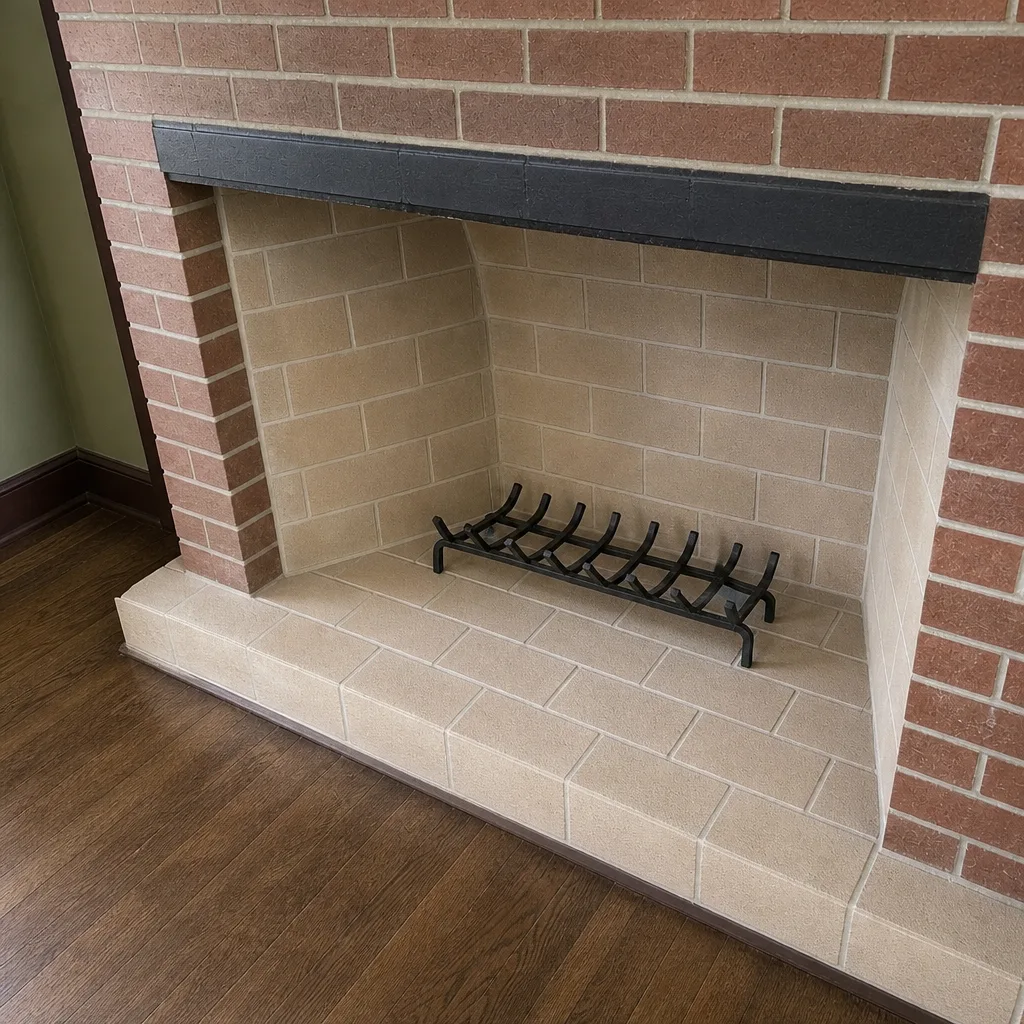
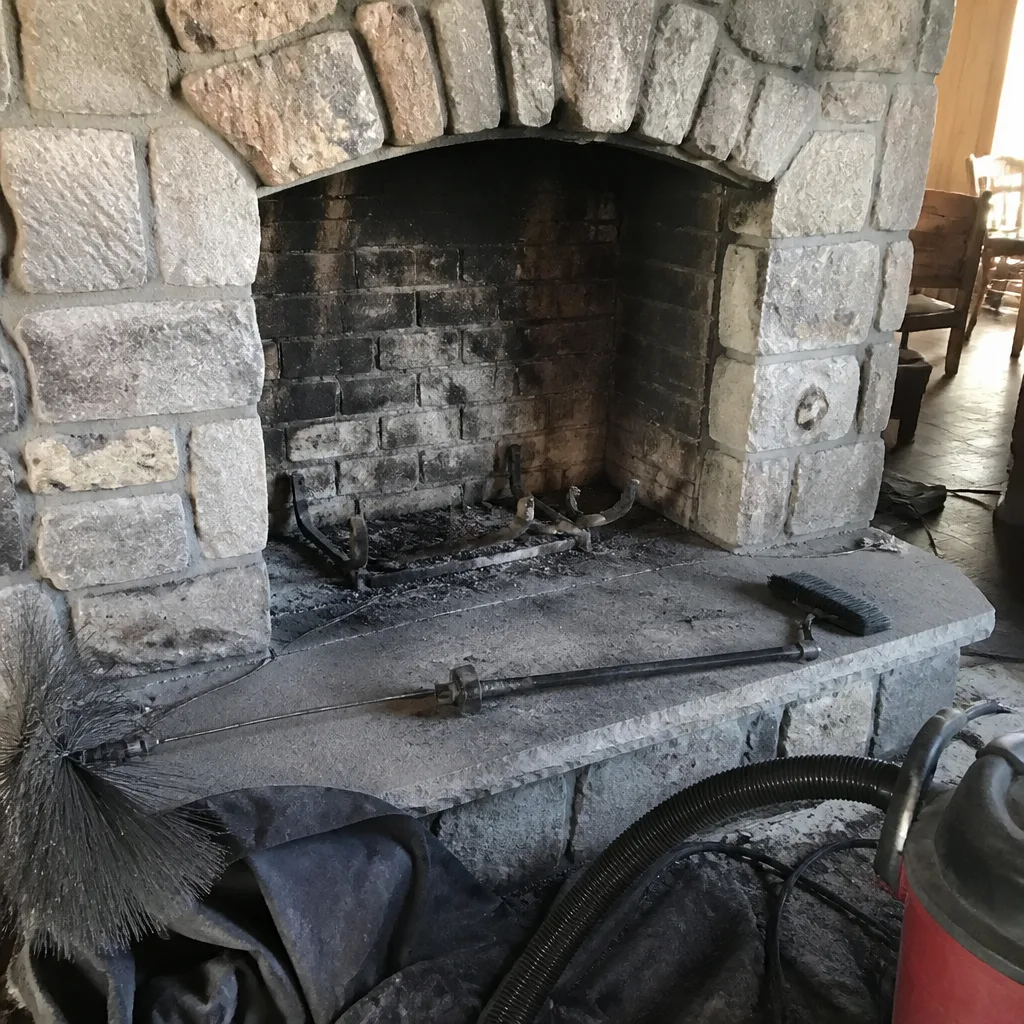
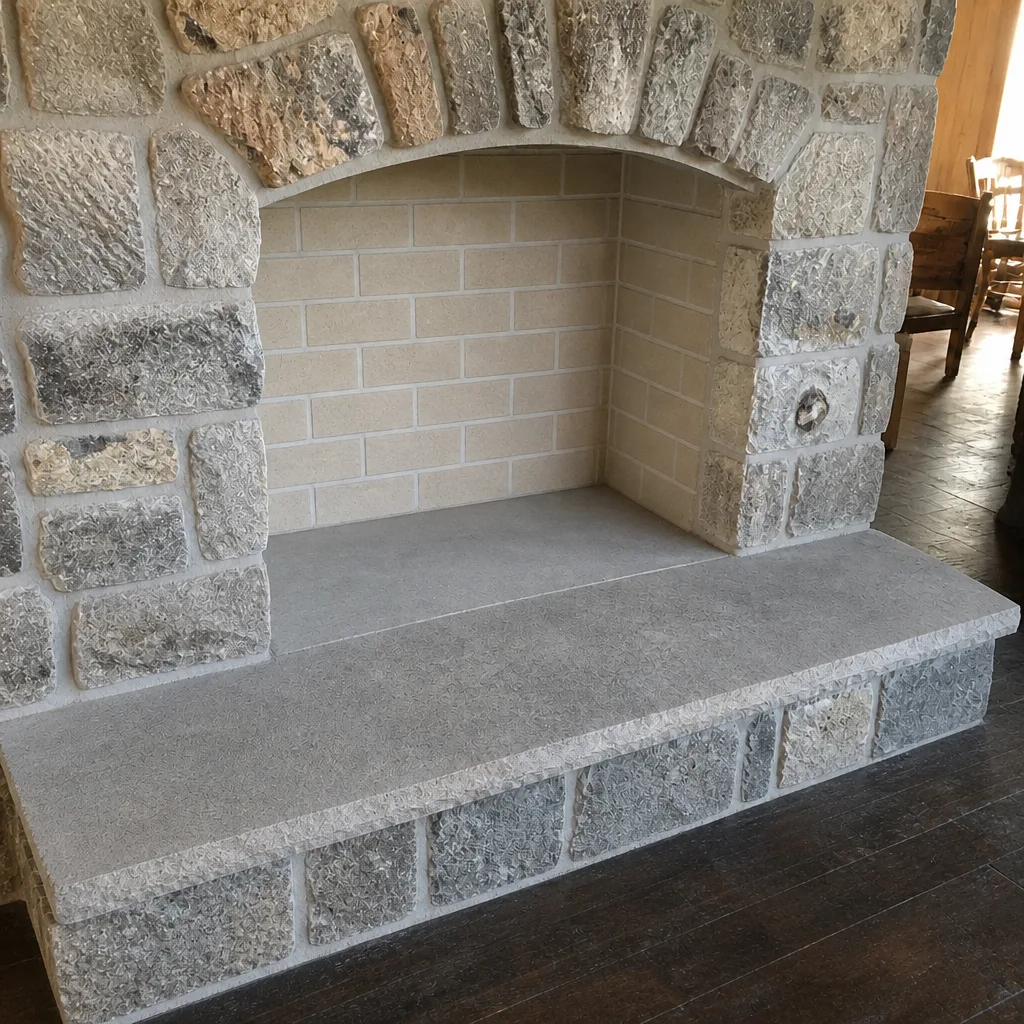
See the difference
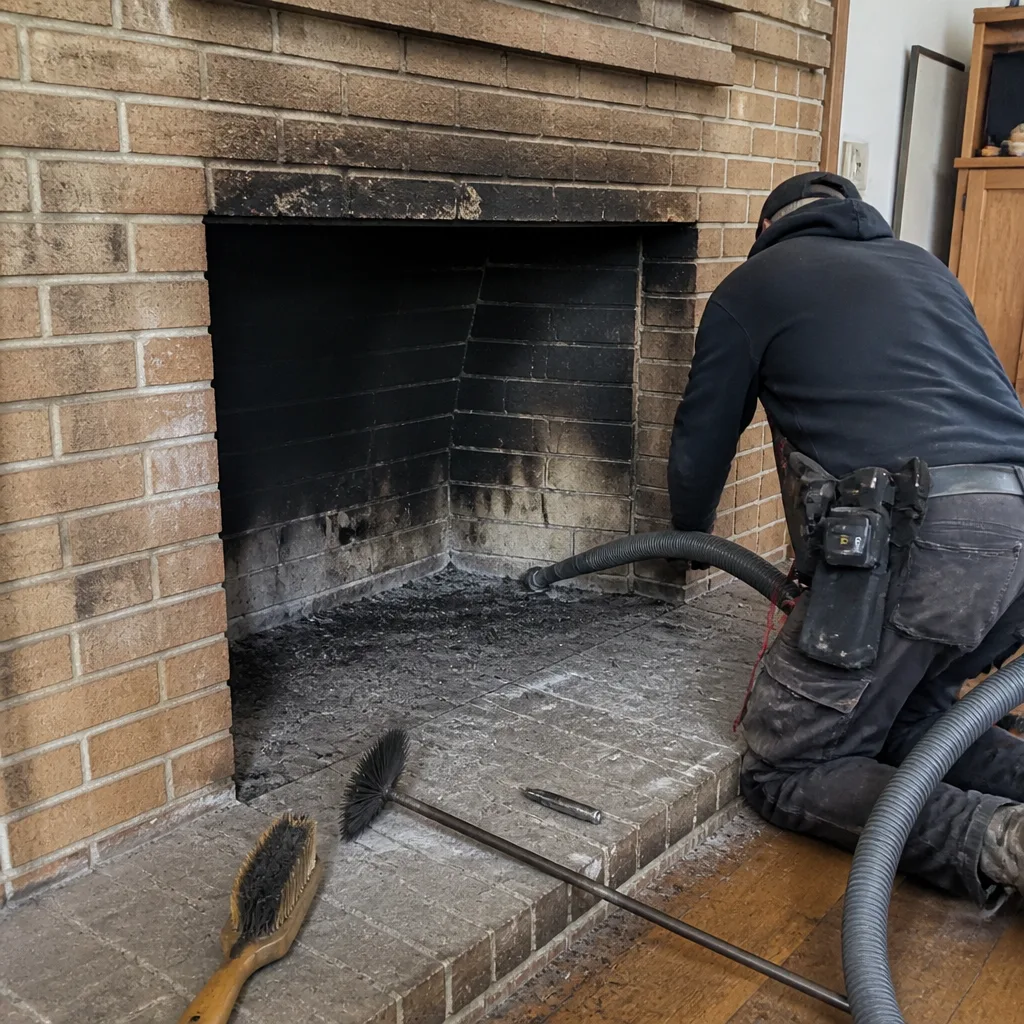 Before
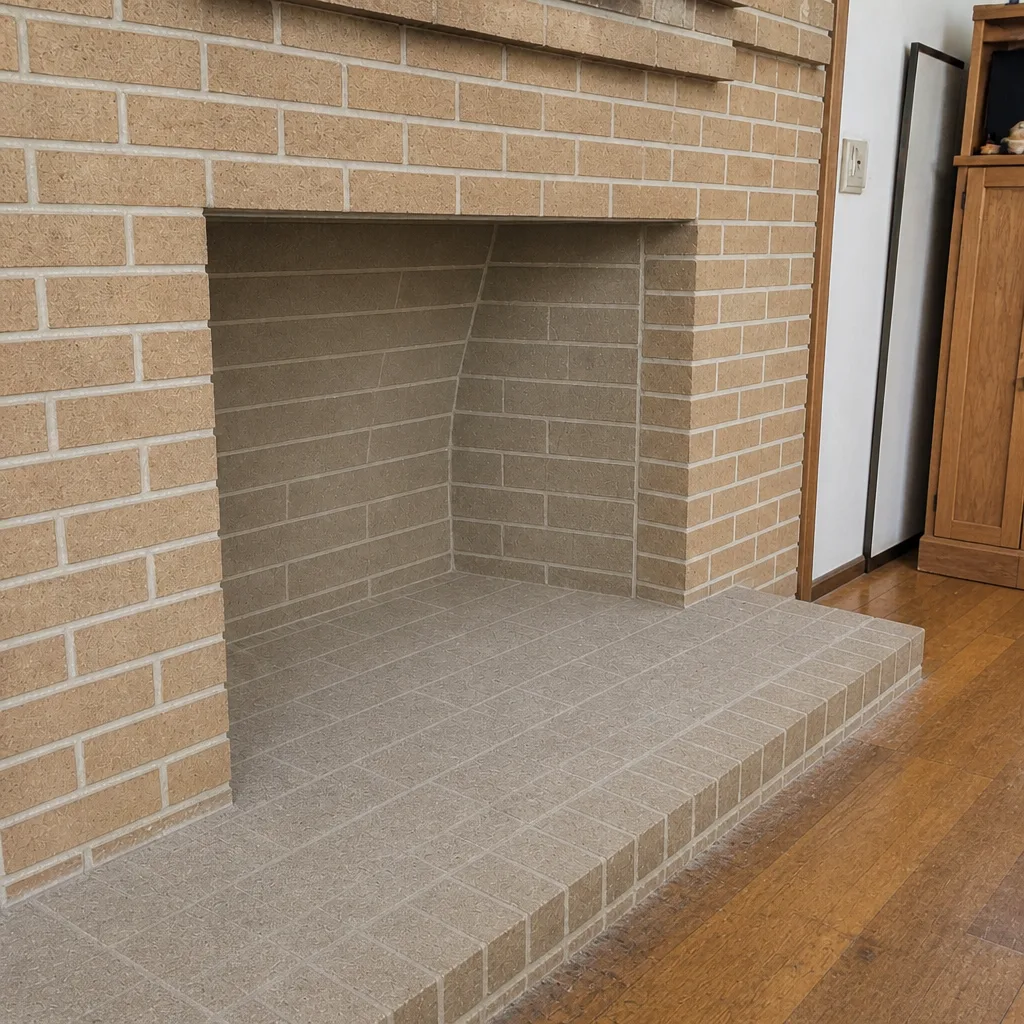 After
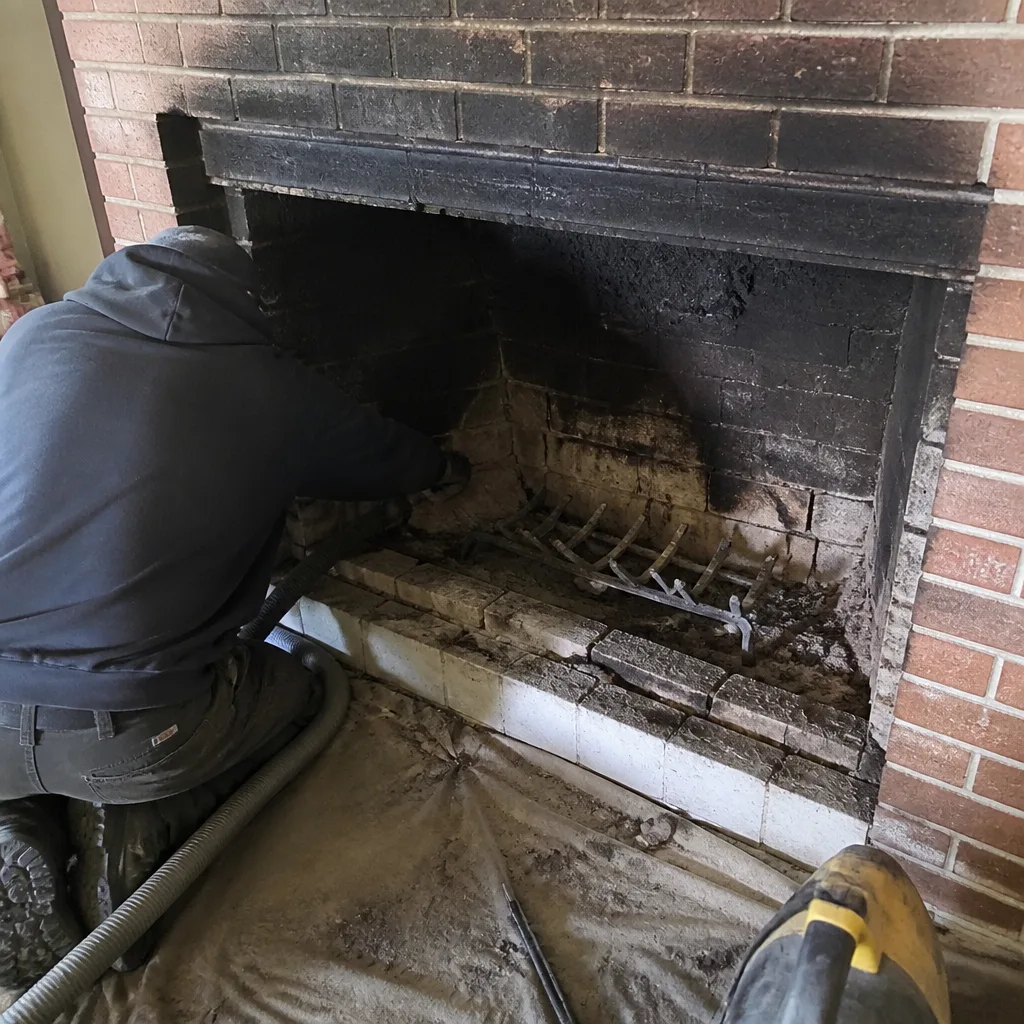 Before
 After
 Before
 After
When to Call a Professional
Some chimney work is genuinely do-it-yourself territory: changing a cap, cleaning the firebox. Most of it isn’t. Call a professional if you’re seeing glaze-stage creosote, if your flue has visible cracks or gaps, if you’ve had a chimney fire, if a gas appliance is venting into a flue that was never designed for it, or if you’re buying or selling a house in Greeley and need a documented inspection. High-tension liner installations, HeatShield application, and any structural repair are not homeowner jobs. The safety margin is too thin. Our technicians have up to 13 years of experience, and the difference between a flue that’s safe and one that isn’t is usually the kind of work a trained eye catches in an inspection. Chimney Sweep Greeley offers free estimates in Greeley. Call (855) 632-3564. We answer 24/7. Fast dispatch from 7am to 7pm, Sunday through Friday.
Frequently Asked Questions
Professionals in Greeley use recognized manufacturers in each product category: DuraFlex and Olympia Chimney for flexible liners, HeatShield for restorative flue sealant, Gelco and Famco for caps and venting, and Copperfield for rigid and hybrid liner systems. The brands are the signal that the product is tested, documented, and backed by a manufacturer. Call (855) 632-3564 for an exact quote on any of these product families. Estimates are free.
You want a UL Listed liner system, not just a stainless tube. The listing means the liner, the insulation, and the connectors were tested together to a published standard, which is what NFPA 211 and most local codes are checking against. A cheap stainless liner from an unlisted source may work in theory, but it’s much harder to prove code compliance and much harder to defend to an insurer. Ask to see the listing before work starts. Call (855) 632-3564 to talk through your specific flue.
No. A creosote sweeping log can soften some stage-one and stage-two creosote deposits, but it doesn’t remove them. The flue still has to be mechanically swept. Glaze-stage creosote almost always requires the proper tools. A professional-grade modifier like Poultice Creosote Remover works differently from a burning log, but it’s also not a substitute for the sweep. Book the sweep, then ask whether a modifier would help afterward. Call (855) 632-3564 for an exact quote.
Ask two questions: what steel grade, and can I see the product before installation. A stainless cap looks different from a galvanized one, and a contractor who buys from Famco or Gelco will have the material spec on hand. In Greeley’s hail corridor, stainless is the sensible choice for service life. If the answer is vague, that’s a sign. Call (855) 632-3564 and we’ll walk you through what’s appropriate for your chimney.
HeatShield is the right product when the flue has cracks or gaps but is otherwise structurally sound. It’s a restorative application, not a liner, and it’s less invasive and less expensive than relining. For a lot of older Greeley chimneys with cracked clay tile, that’s a legitimate alternative. For a flue with major structural failure, a liner is the right answer and HeatShield isn’t. The inspection determines which. Call (855) 632-3564 for a free estimate.
You usually get a shorter service life, no meaningful warranty, and a much harder time demonstrating code compliance to an insurer. That’s the practical downside. The safety downside is that the manufacturer never tested that combination of components as a system, so the exhaust behavior is unknown. In Greeley, where winters are cold and the flue runs hot, the difference tends to show up in a few seasons. Call (855) 632-3564 to talk about a proper liner.
The Bottom Line
The brand on your chimney materials is not a detail. It’s the difference between a tested system with documentation and a budget substitute with none. Ask your contractor to name the brands in each category: liners (DuraFlex, Olympia Chimney, Copperfield), restorative sealant (HeatShield), caps and venting (Famco, Gelco). Ask to see the UL listing before work starts. Ask whether HeatShield might be the right answer instead of a full reline. And when you’re ready to know what’s actually happening inside your flue, get the inspection scheduled. In Greeley, the right chimney partner is the one who can explain every material choice in plain language and show you why.
Call (855) 632-3564 for a free estimate. We answer 24/7. Fast dispatch from 7am to 7pm, Sunday through Friday. We work in chimneys only. It’s all we do.
Written by the team at Chimney Sweep Greeley.