
Last updated November 15, 2026
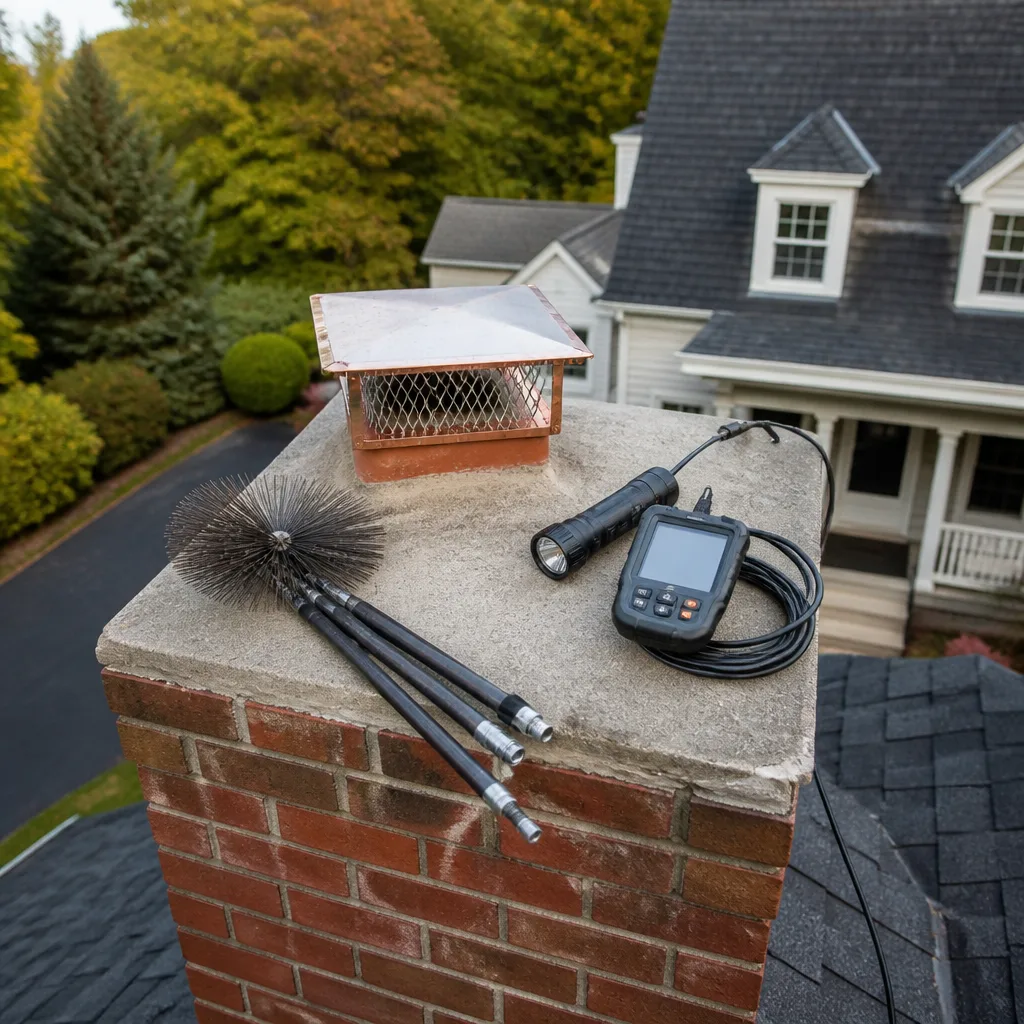 Sweep & inspection
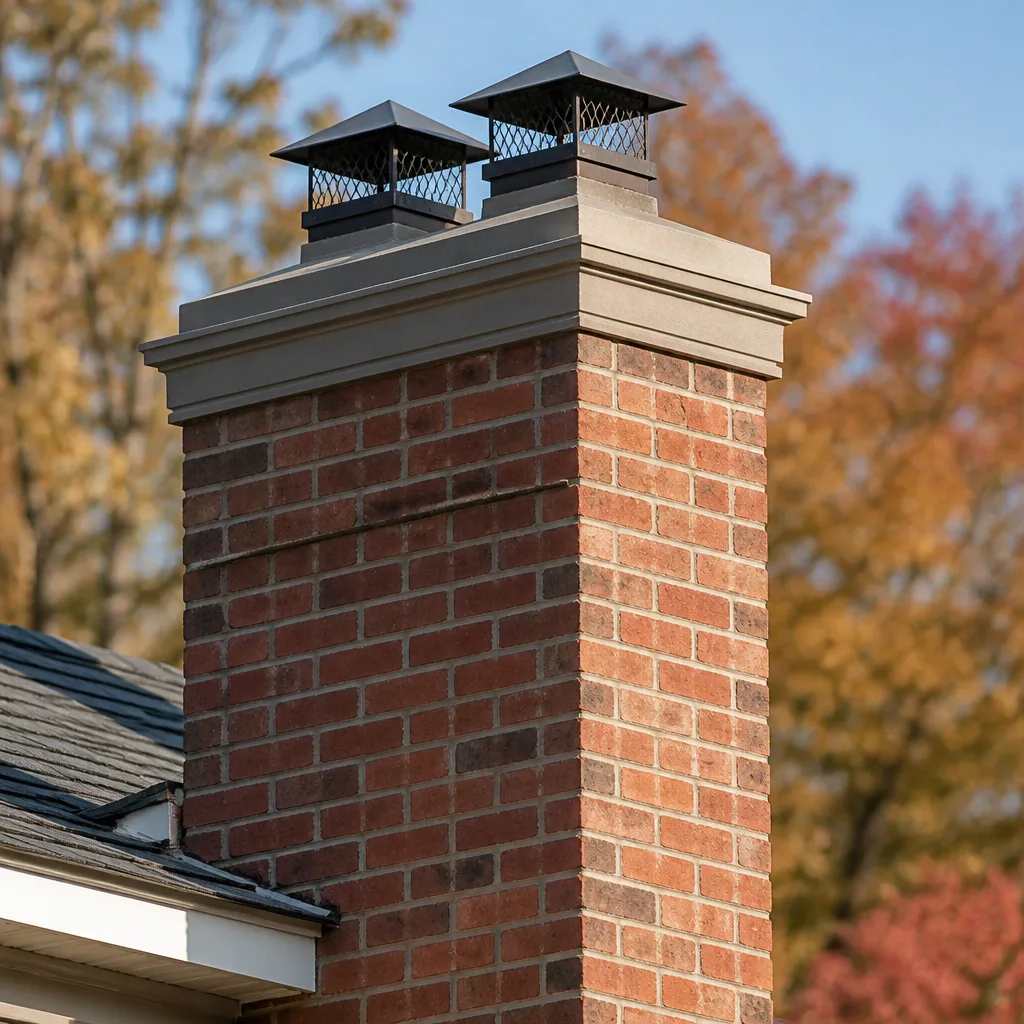 Caps & crowns
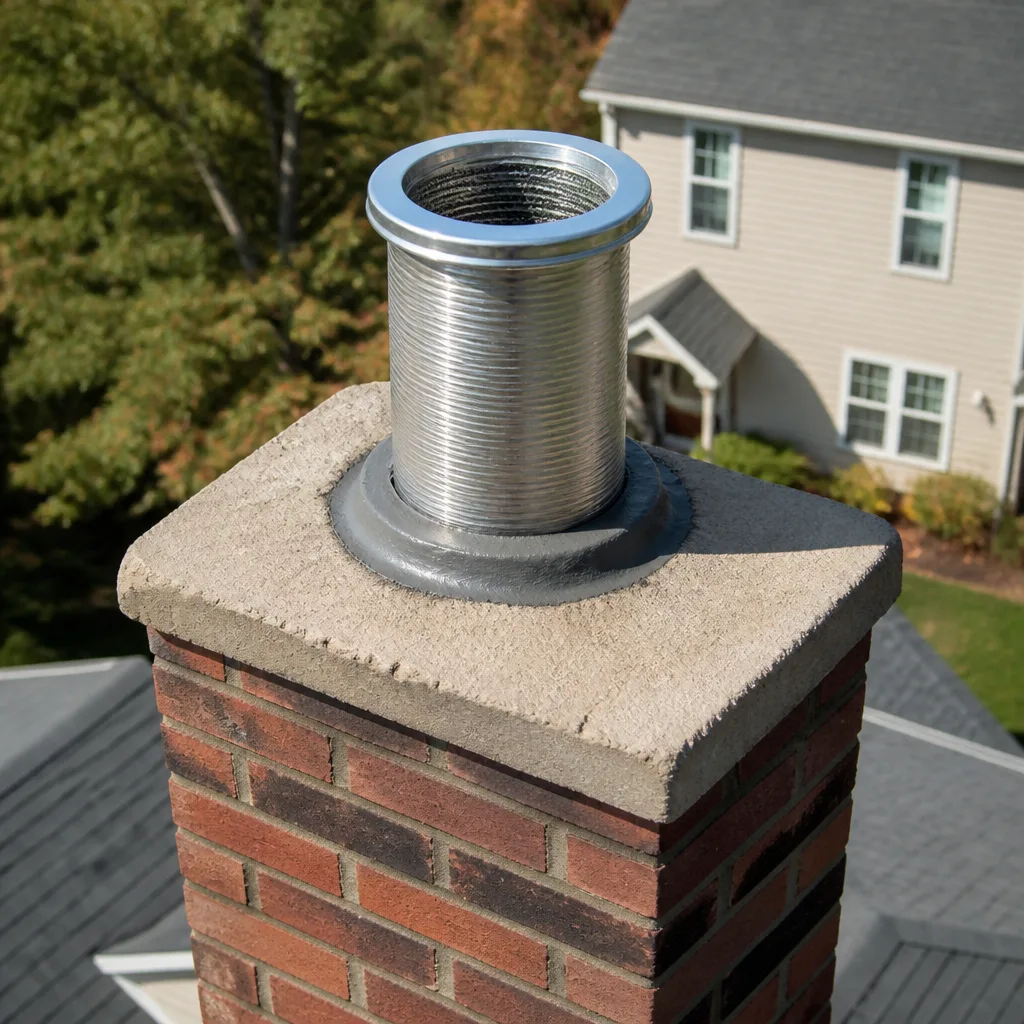 Flue relining
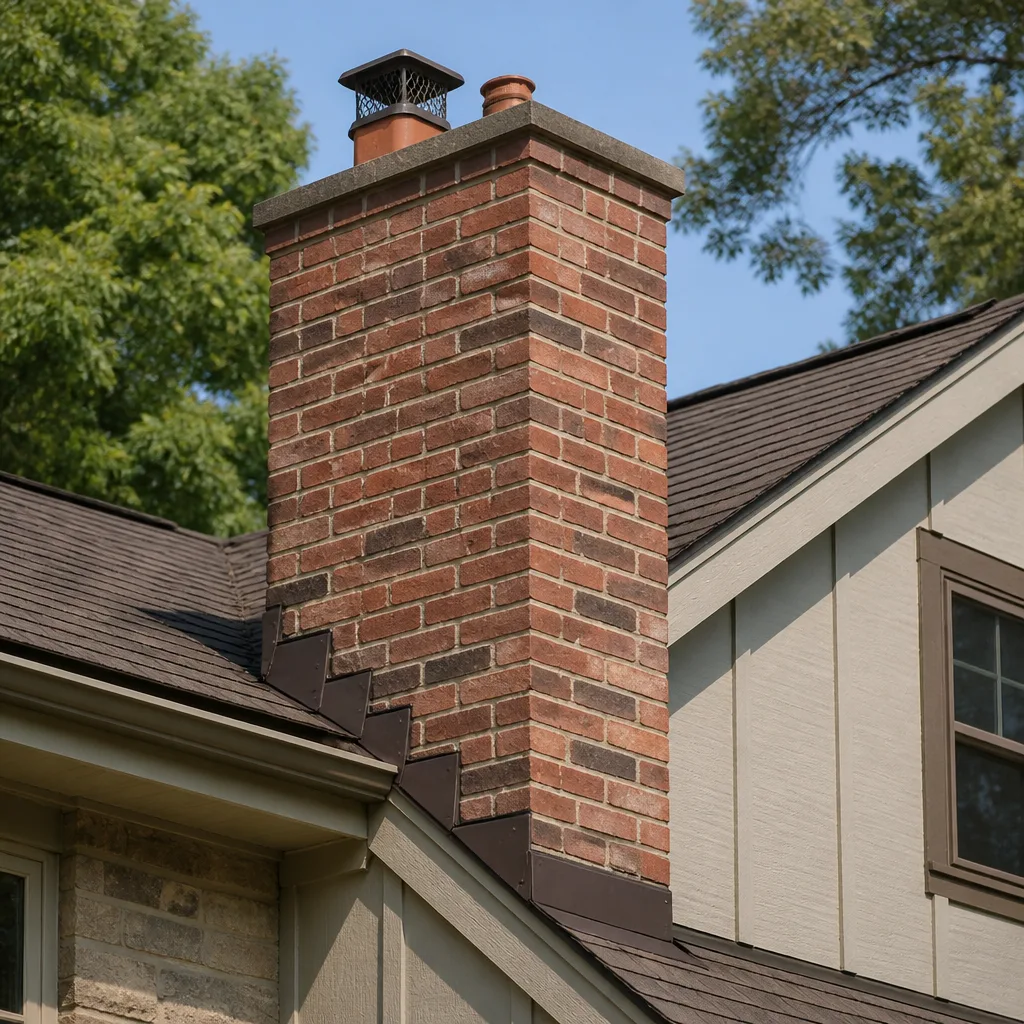 Masonry repair
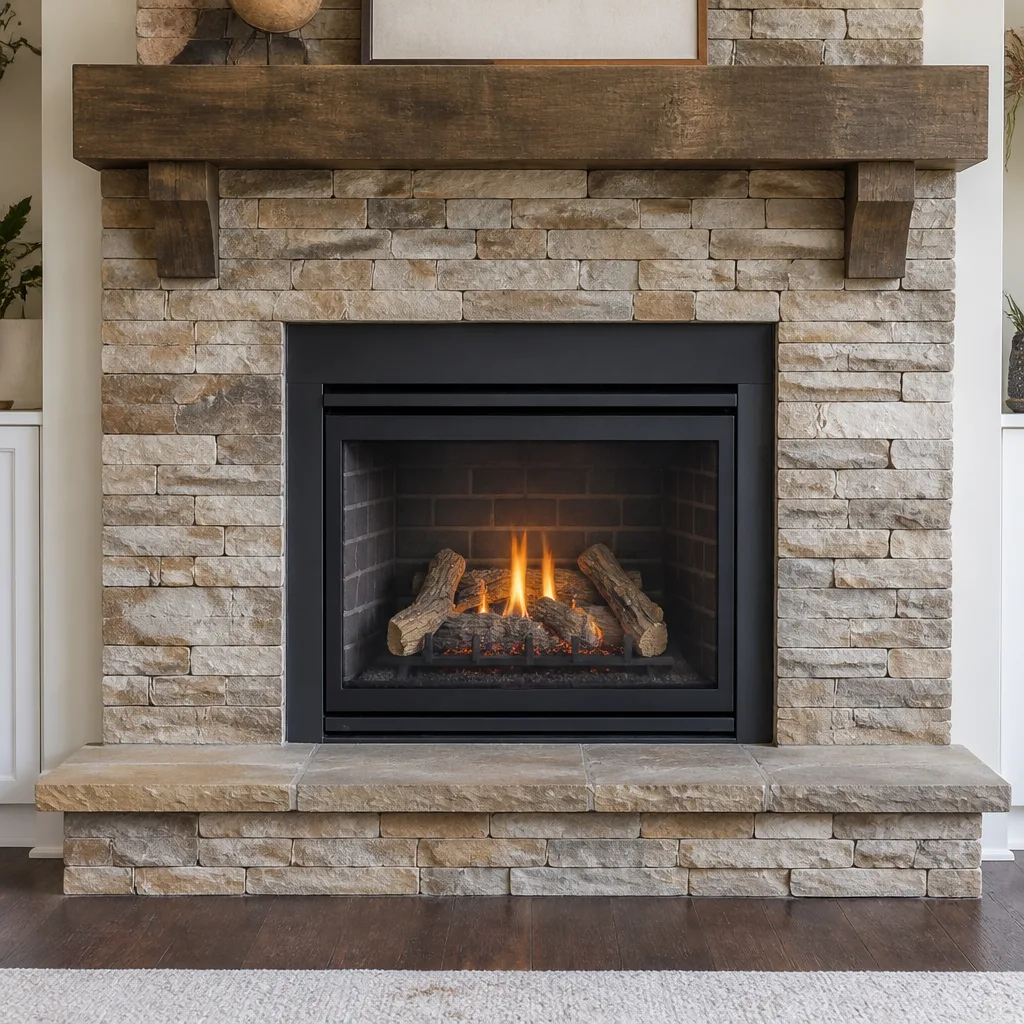 Gas fireplace service
Level 1 sweep and inspection to the NFPA 211 annual standard - flue, crown, cap, and flashing checked and photographed
Chimney sweep logs do not sweep chimneys. They loosen some creosote - which then falls where a brush and vacuum still have to collect it.
Chimney Sweep Troubleshooting in Greeley: Common Problems and How to Fix Them
If smoke is backing into your living room, the instinct is to crack a window and let it clear. That temporary fix works for about ten minutes, and it’s masking a problem that gets more expensive every time you light a fire. Most Greeley homeowners blame bad drafts, wet wood, or a “finicky” fireplace. In our experience, nearly every one of those complaints traces back to one of four root causes: a draft or pressure problem, a blockage, a structural failure in the flue, or a buildup issue inside it. This guide maps symptoms to causes so you stop guessing. You’ll learn what each sign points to, what you can safely handle yourself, and when to bring in a specialist.
Quick Answer
Smoke coming into the house, weak draft, summer odor, and white staining on the chimney are symptoms, not separate problems. Each one points to a specific cause: pressure imbalance, a blockage, a gap in the flue, or creosote and moisture buildup. Some are a quick damper adjustment; others need a professional inspection and chimney repair before you burn again. The fix depends entirely on which one you actually have, and that’s what a proper inspection determines.
Styles & brands we work with
- Sweep & inspection
- Caps & crowns
- Flue relining
- Masonry repair
- Gas fireplace service
Table of Contents
- Symptom-to-Cause Matrix: What Your Chimney Is Telling You
- Why Smoke Comes Back Into the House
- How Greeley’s Elevation and Semi-Arid Climate Affect Your Flue
- Stage 1 vs. Stage 3 Creosote: Different Looks, Different Fixes
- DIY-Addressable Issues vs. Call-a-Professional Issues
- The Bigger-Fire Myth: A Documented Fire Hazard
- How to Document Your Symptoms Before You Call
- What a Professional Inspection Actually Covers
Symptom-to-Cause Matrix: What Your Chimney Is Telling You
The fastest way to understand a chimney problem is to read the symptom and match it to a cause. Homeowners tend to describe problems by what they feel (smoke, smell, cold) rather than what’s physically happening in the flue. That’s normal, but it makes diagnosis harder. Below is the mapping we use, framed as questions to answer about your own chimney.
- Smoke rolls back into the room when you light a fire. Cause: pressure imbalance, a blocked flue, or a chimney that’s too short or short-effective for the home. Needs inspection.
- The fire lights slowly and the draft feels weak or lazy. Cause: cold flue, negative pressure from the house, or partial blockage. Often a pre-warm and damper check; sometimes a blockage that needs a sweep.
- A sour or smoky smell in summer, when no fire has been lit. Cause: creosote and moisture reacting in warm, humid weather. Points to creosote buildup that needs a sweep.
- White staining (efflorescence) on the exterior brick. Cause: water getting into the masonry and pushing mineral salts out. A moisture and structural issue, not a cleaning issue.
- Soot flakes or dark residue at the firebox or on the surround. Cause: incomplete combustion or draft problems pulling soot forward. Needs inspection before the next burn.
- A strong, acrid smoke smell that lingers after the fire dies. Cause: a draft reversal or a gap that lets smoke escape into the structure. Needs prompt attention.
Notice that most of these symptoms can come from more than one cause. That’s exactly why guessing gets expensive. A dark stain on the wall might be a simple draft fix or a failed flue liner, and the difference between those two is thousands of dollars and a real safety question. For a deeper walkthrough of flue and masonry problems, see our guide to chimney repair. If you’ve matched your symptom and you’re ready to have it checked, a chimney sweep is the usual first step, because the sweep clears buildup so the inspection can see the flue clearly.
Why Smoke Comes Back Into the House
Smoke backing into a living room is the most common call we get, and it’s almost never the fireplace’s fault. The chimney’s job is to pull combustion gases up and out, and it only does that when the pressure in the house is lower than the pressure in the flue. Upset that balance and smoke goes where the pressure sends it: into your room. There are a few reliable reasons that happens.
- The house is running negative pressure. Clothes dryers, kitchen and bath exhaust fans, and even a second fireplace all push air out of the house. If more air leaves than comes in, the house pulls replacement air down the chimney, and smoke comes with it. Test this by cracking a window near the fireplace before lighting; if smoke clears immediately, pressure is the likely cause.
- The flue is too cold. A cold chimney has cold air sitting in it, and cold air is heavy. The fire has to push that cold plug out before draft establishes. Pre-warming the flue with a rolled newspaper torch is a standard, safe diagnostic.
- The flue is blocked or restricted. Nests, leaf debris, a collapsed cap, or heavy creosote all narrow the flue. The fire can’t push smoke through a restricted opening, so it backs up.
- The chimney is undersized or too short for the appliance. A flue that’s too short for the firebox, or one that shares space with another appliance, can’t generate enough draft on its own. This is where an inspection earns its keep.
One practical note before you test anything: never open a window and then leave a fire burning unattended. A window that clears smoke also feeds the fire more air, and it tells you a pressure issue exists, not that it’s resolved. The pressure problem itself still needs a real diagnosis. That’s the point at which homeowners in Greeley usually want a professional on site rather than more trial and error.
How Greeley’s Elevation and Semi-Arid Climate Affect Your Flue
Greeley sits high on the Colorado plains, and both the elevation and the dry climate change how a chimney behaves. At higher elevation, air is thinner, and thin air carries less oxygen per cubic foot. That has two effects homeowners notice. First, a fire needs more air to burn the same way, so draft feels weaker unless the flue is properly sized and the home isn’t under negative pressure. Second, incomplete combustion happens more easily, which is the recipe for more creosote, not less.
The semi-arid climate adds a second layer. Our air is dry most of the year, but our winters still swing through freeze-thaw cycles, and our summers bring thunderstorms that soak the masonry and then bake it dry. That wet-then-dry rhythm is hard on brick and mortar. Water gets into masonry through a cracked crown, a missing cap, or failing flashing, then freezes and expands, opening the crack wider. Over a few seasons that shows up as the white efflorescence staining described above, or as mortar joints that crumble when you touch them.
Here’s the counterintuitive part: a dry climate doesn’t mean your creosote is dry. Wood that’s wet inside, wood burned in a smoldering fire, and a flue that’s too cool all produce wet, sticky creosote that then glazes as it cures. The dry air outside the chimney doesn’t help the deposit inside it. In our experience, Greeley’s warm, breezy summers are exactly when a glazed, sour-smelling flue finally makes itself known, because the heat and humidity reactivate deposits you’d forgotten were there.
What this means practically is that a chimney in Greeley has to be inspected on the assumption that both water intrusion and creosote are in play. Our technicians have up to 13 years of experience working in chimneys, and the climate here shapes nearly every diagnosis. For a broader look at the area we serve, our Chimney Sweep Greeley overview covers the full range of local conditions.
Stage 1 vs. Stage 3 Creosote: Different Looks, Different Fixes
Creosote is the byproduct of incomplete combustion, and it doesn’t arrive as one thing. It builds in stages, and each stage looks different inside the flue and needs a different remedy. Knowing the difference helps you understand what a technician is telling you, and why a sweep isn’t always enough.
- Stage 1: flaky, sooty, dry. This is the earliest buildup: light, dusty, and easy to brush off. A standard sweep clears it. Seeing this means your burning habits and draft are mostly working, and routine sweeping will keep it in check.
- Stage 2: crusty, brittle, or glazed in spots. The deposits have hardened and started to bond to the flue. A brush-style sweep handles most of it, but glaze patches might need more effort. This is the stage to act on before it becomes Stage 3.
- Stage 3: glazed, hardened, tar-like. This is the most serious stage. It’s a shiny, hard coating that a brush can’t remove, and it’s the condition that represents a real fire hazard because it ignites at lower temperatures than you’d expect. Stage 3 requires specialized extraction, and sometimes it signals a flue problem underneath it that needs repair.
What makes Stage 3 worth acting on early is that it’s expensive to remove after the fact. A sweep on Stage 1 is routine work. Extraction of Stage 3 glaze is a longer, more involved job, and sometimes it turns up a damaged liner that has to be repaired or replaced. That’s why the pitch here isn’t to scare you; it’s that early detection saves you money and keeps the flue in clean condition.
When a liner does need repair, we install and service professional-grade materials from brands chimney technicians trust, including DuraFlex flexible liner systems for retrofits and replacements, and the HeatShield restorative repair system, which can often fix a worn flue without a full relining. The right liner system for your chimney type isn’t one-size, which is why the diagnostic step comes first. For more on how we handle buildup, see our page on chimney sweeping.
DIY-Addressable Issues vs. Call-a-Professional Issues
Some chimney problems are well within a homeowner’s reach. Others are the kind of thing where doing it yourself risks your home or yourself. The line between the two is clearer than most people think, and knowing where it sits is the most useful troubleshooting skill you can build.
What you can safely do yourself:
- Adjust the damper before and during a fire to test whether draft improves.
- Pre-warm a cold flue with a rolled newspaper torch to test whether the draft is simply cold-start trouble.
- Check the firebox for visible debris or a loose grate. Clear ash from the firebox when the chimney is cold.
- Crack a window near the fireplace before lighting to test for a negative-pressure house, then close it once the draft establishes.
- Look at the exterior for obvious problems: an off-kilter cap, cracked crown, rusted top, or loose flashing. Note it for the technician.
- Confirm the wood you’re burning is dry and seasoned, which is the single biggest variable in how much creosote accumulates.
What needs a professional:
- Smoke that persists after the pressure and pre-warm tests, because that indicates a restricted or damaged flue.
- Any visible creosote beyond a light dusting, and anything glazed, because Stage 3 extraction is a job for the right tools and technique.
- Cracked or missing flue tiles, corrosion, or a dislodged liner. Accessing and repairing a flue safely is not a homeowner job.
- Water intrusion at the crown, flashing, or brick. Fixing the source matters as much as the symptom.
- Any suspicion of a carbon monoxide issue, which is a safety matter, not a troubleshooting exercise.
The important distinction is between a symptom and a cause. You can safely run tests that reveal a symptom. You shouldn’t try to fix the underlying structure of a flue yourself. When a blockage, gap, or structural problem is possible, a professional inspection comes before anything else, because you can’t safely sweep or repair what you can’t see. Our technicians work in chimneys only, not split across unrelated home services, so the diagnosis stays focused on the flue.
The Bigger-Fire Myth: A Documented Fire Hazard
When the draft is weak or smoke backs up, a common instinct is to build a bigger, hotter fire to “pull the draft through.” It feels logical, and it’s one of the most dangerous things you can do in a struggling chimney. Here’s why. A bigger fire produces more smoke and more heat, but if the flue is restricted or the house is under negative pressure, that extra smoke has nowhere to go. It finds the path of least resistance, which is often your living room or, worse, gaps in the structure around the flue.
The fire hazard goes deeper than smoke. A hotter fire drives flue temperature up fast, and creosote ignites at a surprisingly low threshold. In a chimney already coated with deposits, a spike in flue temperature can start a chimney fire inside the flue. Those fires are often quiet and quick, and homeowners sometimes don’t realize one happened until an inspection turns up cracked tiles or a warped liner afterward. The structure of the flue can be compromised with no obvious sign in the room.
There’s a second hazard in the “bigger fire” workaround. To get more draft, people leave a window open and a fire roaring, or they let the fire burn hotter and longer than the firebox was designed for. That feeds the fire more oxygen and can overheat the appliance, the surround, and nearby framing. None of this is a workaround. It’s a way to turn a fixable draft problem into a repair bill or an emergency.
If your fire struggles, the answer isn’t more fuel. It’s finding out why the flue isn’t pulling. That’s an inspection question, not a burning question, and it’s the kind of thing a chimney sweep and inspection settles quickly. When we assess a Greeley home, the question we ask first is whether the draft problem is pressure, blockage, or structure, because the fix is different for each.
How to Document Your Symptoms Before You Call
Homeowners who arrive at their appointment with clear notes save time, and they get a faster, more accurate diagnosis. It’s the same reason a doctor asks when the symptom started and what makes it worse. A few minutes of note-taking before you call means the technician walks in already pointed in the right direction, and you don’t pay for anyone to rediscover what you could have told them. Here’s a simple method.
- Describe the exact symptom. “Smoke rolls out the top of the firebox about five minutes after lighting” is ten times more useful than “the fireplace smokes.” Note when it happens, how long into a burn, and whether it’s steady or comes and goes.
- Note the conditions that make it worse. Is there a bathroom or kitchen fan running? Is it windy outside? Is it colder than usual? Does it happen only on first light, or later in the burn?
- Write down what you’ve already tried. If cracking a window helped, say so. If pre-warming the flue helped, say so. Each of those is a diagnostic clue.
- Check the exterior and describe what you see. A cracked crown, a cap that’s tilted, white staining on the brick, or a rusted top. Note it in plain language.
- Write down what you burn and how. Seasoned wood or not, how often you burn, whether the fire usually burns hot or smolders. Creosote production is closely tied to burning habits.
- Note when the chimney was last cleaned and inspected, even if it was years ago and by someone else. The timeline tells the technician what to expect.
Bring those notes to your appointment or read them over the phone. It’s the fastest way to get a useful diagnosis and a fair estimate. We set our price per job by the written estimate, so the more accurately you describe the problem, the more precise that number is. If you’re not sure whether your symptom needs a sweep or a repair, start with the notes above and we’ll help you sort it.
What a Professional Inspection Actually Covers
An inspection is not the same as a sweep, and it’s the step that turns symptoms into a diagnosis. A sweep clears what’s in the flue. An inspection looks at the flue’s condition, the appliance, and the structure around it, usually with a camera that shows the inside of the flue on a monitor. That’s the difference between “it looks fine from the hearth” and knowing what’s actually going on up there. Here’s what a thorough inspection typically covers.
- The firebox and damper. Condition of the firebox, whether the damper opens and closes freely, and whether it’s sized correctly for the appliance.
- The flue interior. A camera inspection checks the full length of the flue for cracks, gaps, corrosion, dislodged tiles, and creosote stage and coverage.
- The chimney exterior. The crown, cap, flashing, mortar joints, and brick. This is where most water intrusion begins.
- The smoke chamber and shelf. Whether smoke has a smooth path up or hits an obstruction that causes the backdraft.
- The appliance connection. Whether the stove or insert is connected properly to the flue and whether the flue is correctly sized for it.
- The venting and cap system. Whether the cap is intact, and whether venting materials like Gelco and Olympia Chimney components are appropriate for the appliance.
The camera matters because it lets you see what the technician sees. That’s the point where a lot of homeowners get suspicious, and it’s understandable: a chimney inspection is often the moment someone is told about work they can’t see themselves. Our approach is to show you the camera image and the photo report as we go, so nothing is recommended without evidence you can see. If work can safely wait until next season, we’ll say so.
When repair is needed, the same specialists who did the inspection and the sweep handle it, using professional-grade materials from brands like DuraFlex for flexible liner installations and HeatShield for restorative repair. Some chimney types also call for rigid liner systems, and the right system for your chimney depends on the structure, which is why the inspection comes first. If you want to understand the full service from start to finish, our Chimney Sweep Greeley page walks through the process.
Common Mistakes to Avoid
- Burning a bigger fire to force the draft. It’s the most common workaround and the most dangerous, because it can ignite creosote and overheat the flue. If the draft is weak, find the cause; don’t burn harder.
- Opening a window and calling the problem solved. Cracking a window is a diagnostic test, not a fix. If it helps, the pressure problem still needs a diagnosis, and Greeley homes with tight construction frequently have negative pressure.
- Burning wet or unseasoned wood. In our dry climate, it’s tempting to think any wood will do, but wet wood produces far more creosote. Seasoned wood is the single best thing you can do to keep your flue clean.
- Skipping the inspection because the fire looks fine. A chimney can be badly coated or cracked and still draft at first. The damage doesn’t always announce itself until a fire starts.
- Treating summer odor as harmless. A sour smell in warm weather is creosote and moisture reacting in the flue, and it’s a sign that buildup is present. That’s an easy problem to fix early and a bigger one to ignore.
- Hiring a generalist for a chimney job. A handyman who also sweeps chimneys doesn’t work in flues every day. A dedicated chimney specialist catches what a generalist might miss, and the materials matter as much as the labor.
- Letting one bad season’s symptoms get diagnosed for you. Guesswork on a flue is expensive. If you can’t tell whether your problem is a sweep, a repair, or both, the inspection is what tells you.
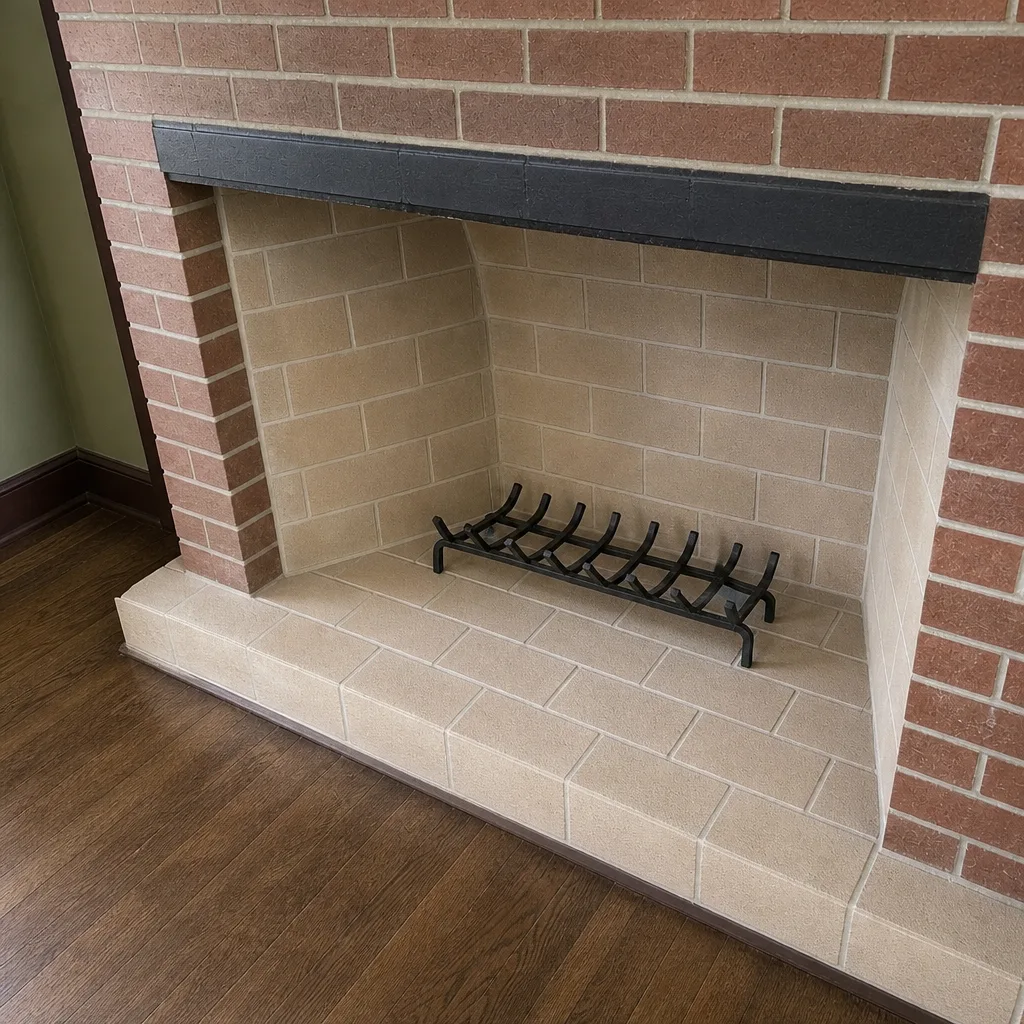
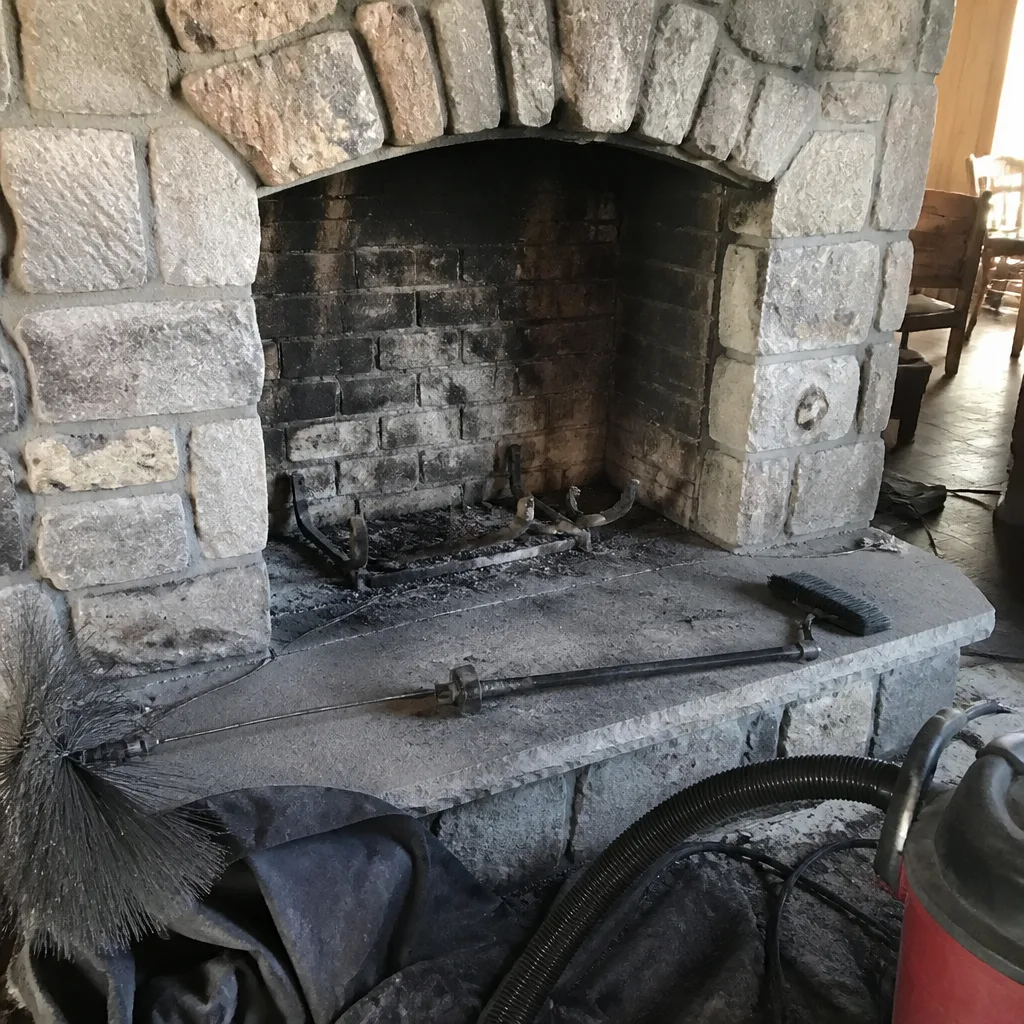
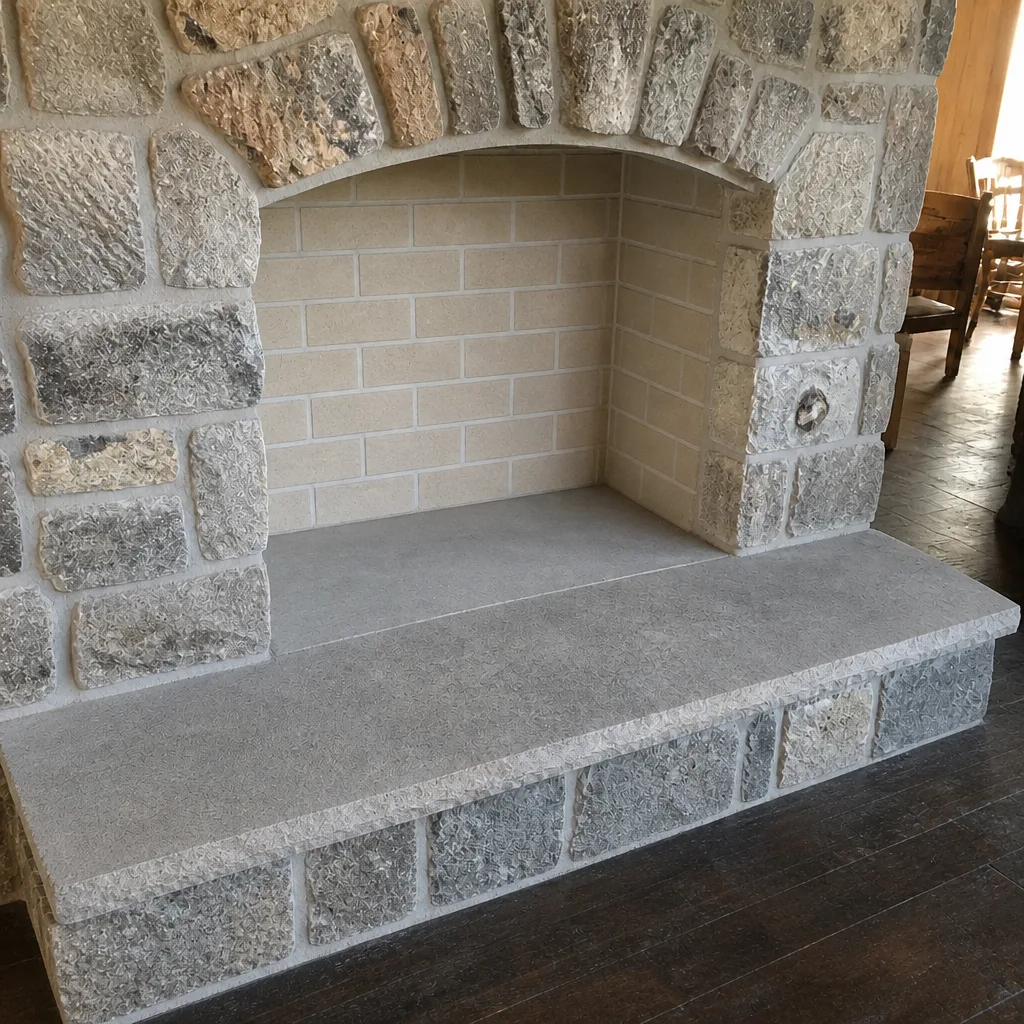
See the difference
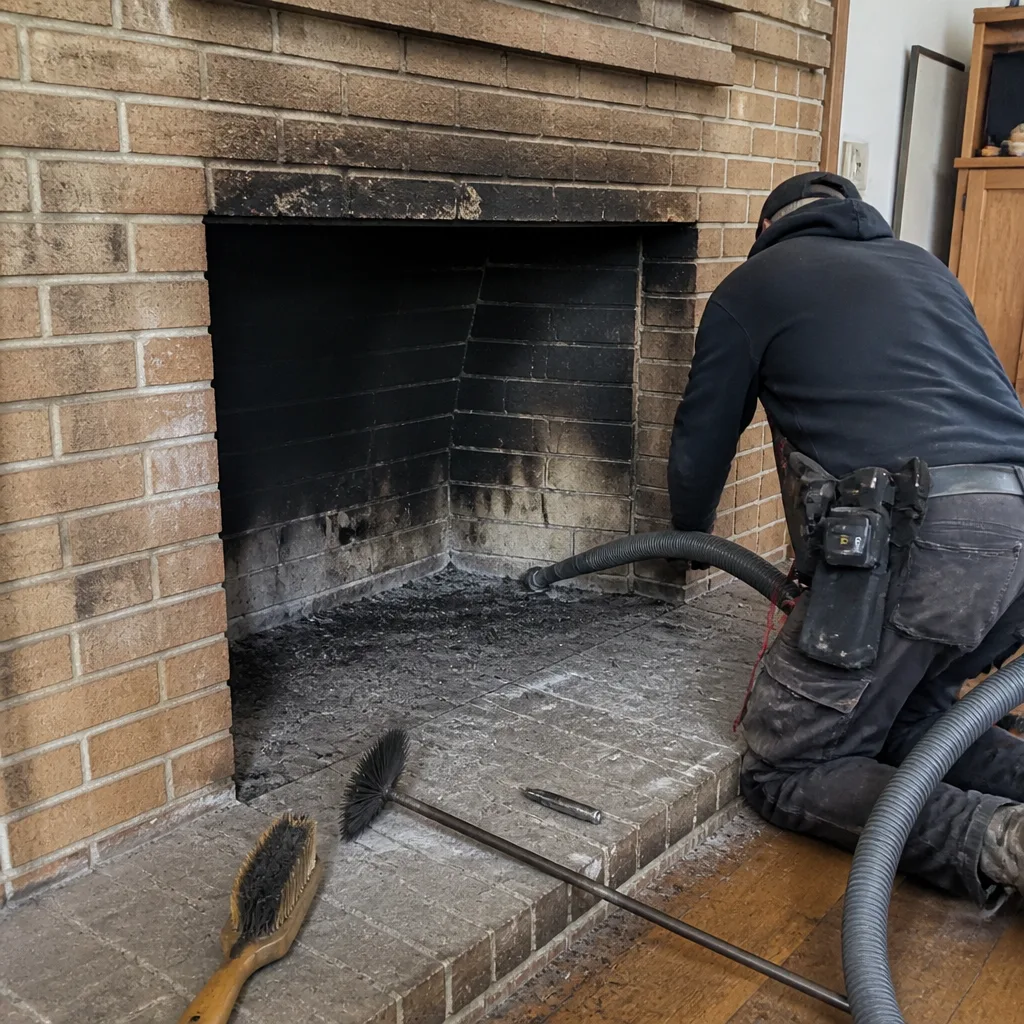 Before
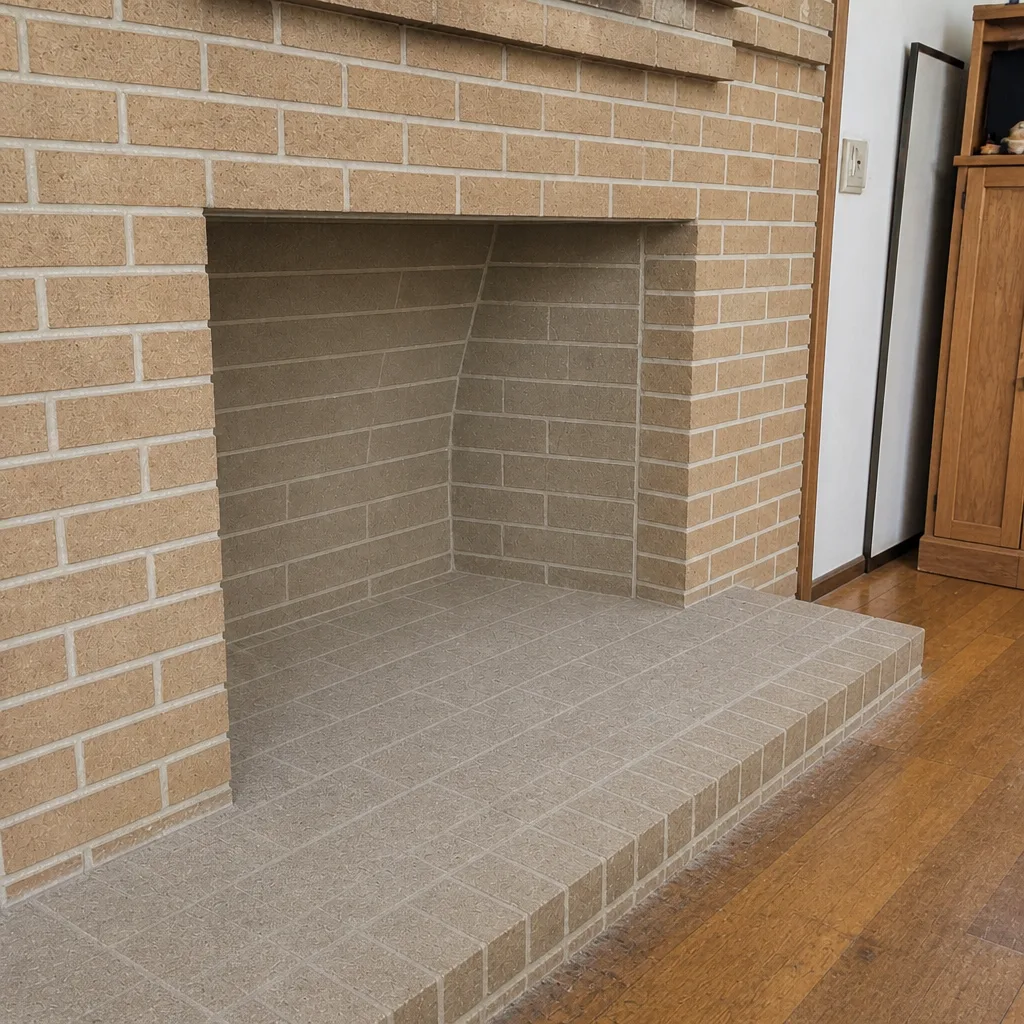 After
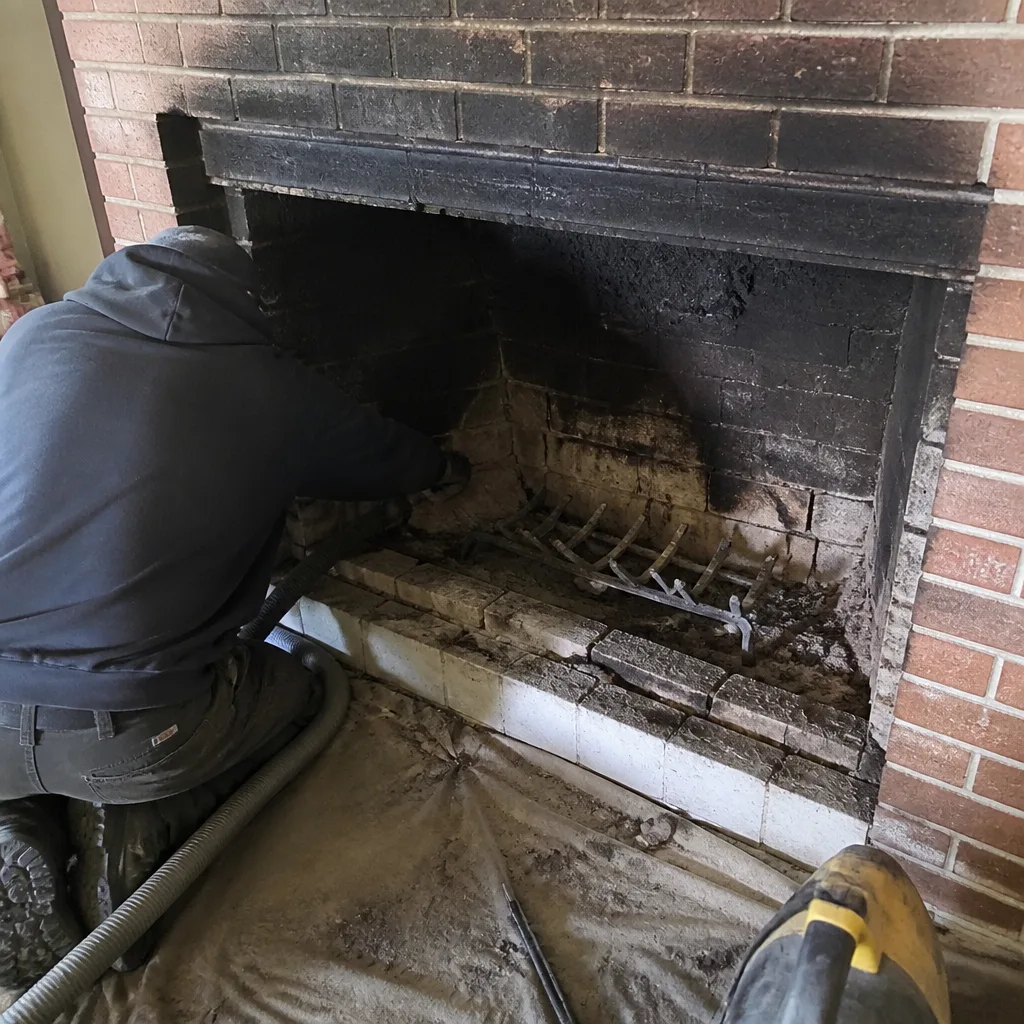 Before
 After
 Before
 After
When to Call a Professional
Call a professional when smoke backs up after you’ve tested pressure and pre-warm, when the firebox or flue is covered in anything beyond light soot, or when you see white staining, a cracked crown, or damaged mortar. Call immediately if you smell smoke when no fire is burning, if a chimney fire has ever happened, or if you suspect a carbon monoxide problem. Those are safety calls, not troubleshooting calls. If you’re not sure whether your symptom is a DIY issue or a flue problem, the safest path is to get it diagnosed before you burn again.
Chimney Sweep Greeley offers free estimates in Greeley. We handle inspection, sweep, and repair under one roof with the same specialists, and nothing is recommended without camera evidence you can see for yourself. Call (855) 632-3564. We answer 24/7, and fast dispatch runs from 7am to 7pm, Sunday through Friday.
Frequently Asked Questions
Smoke coming into the house usually means the pressure in your home is lower than the pressure in the flue, or the flue is blocked or restricted. Test it by cracking a window near the fireplace before lighting; if the smoke clears, negative pressure is likely the cause, but the pressure problem still needs a diagnosis. Call (855) 632-3564 for an exact quote once you’ve noted the symptom; estimates are free.
Yes, higher elevation means thinner air, and thinner air carries less oxygen, which makes draft feel weaker and incomplete combustion more likely. A fire in Greeley often needs more air than the same fire at lower elevation, so the flue has to be correctly sized and the home not under negative pressure. Call (855) 632-3564 to book an inspection that checks the flue against your appliance.
Stage 1 creosote is flaky and sooty, and a routine sweep clears it; Stage 3 is glazed, hard, and tar-like, and it can’t be removed with a brush. Stage 3 is the fire hazard, and removing it takes specialized extraction and sometimes uncovers a damaged liner underneath. If you’ve seen glazed deposits, call (855) 632-3564 to get it assessed; estimates are free.
A good general rule for a wood-burning fireplace is an annual inspection, with cleaning whenever the inspection shows enough buildup. Homes that burn frequently, burn wet wood, or have a smoldering fire habit need more frequent sweeping than occasional users. Call (855) 632-3564 to get your interval assessed for your burning habits; estimates are free.
No; a bigger fire is a documented fire hazard, not a workaround. More fuel and more heat can ignite creosote in an already-coated flue and overheat the appliance and surround, and it doesn’t fix the actual cause, which is usually pressure, blockage, or structure. Call (855) 632-3564 to diagnose the real cause; estimates are free.
White staining, called efflorescence, usually means water is getting into the masonry and pushing salts out through the brick. It’s a moisture and structure issue, not a cleaning issue, and fixing the source (crown, flashing, or cap) matters more than cleaning the stain. Call (855) 632-3564 to get it inspected; estimates are free.
We don’t promise same-day dispatch, because a sweep is a booked appointment. If you call with a clear symptom list, we can often get you seen quickly, and we’ll tell you honestly how your scheduling works around dispatch from 7am to 7pm, Sunday through Friday. Call (855) 632-3564 to book.
The Bottom Line
Most chimney problems in Greeley are one of four causes in disguise: pressure imbalance, a blockage, a structural failure in the flue, or a buildup issue. Matching your symptom to the right cause is what tells you whether you need a sweep, a repair, or both. The tests you can run safely are worth running, but they only reveal a symptom; the inspection reveals the cause. Fix the cause once, with evidence you can see, and you avoid guessing your way into a bigger bill. Call (855) 632-3564 for a free estimate. We answer 24/7, and fast dispatch runs from 7am to 7pm, Sunday through Friday. We work in chimneys only, and from inspection to repair, it’s handled by the same specialists.
Written by the team at Chimney Sweep Greeley.